Why Small Loads Can Still Drain a Battery
Posted by Amber on 28th Jun 2026
Small loads are easy to overlook in an off-grid solar system because they do not seem demanding by themselves. A small light, a phone charger, a router, or a sensor may only use a few watts at a time, so it may not feel like they can affect battery reserve in a meaningful way. But off-grid power is not only about how much power a device uses at one moment. It is also about how long that device runs.
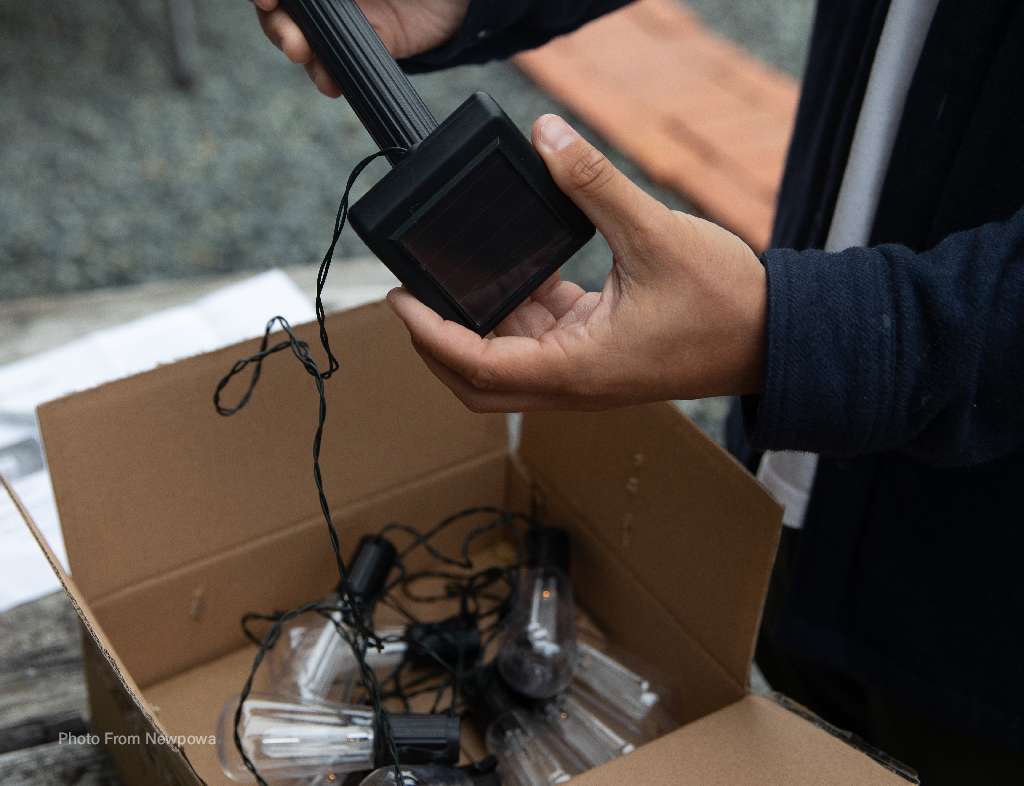
A 5-watt device may look harmless, but if it runs for 20 hours, it uses 100 watt-hours of energy. Several small devices running together can add up quickly, especially when they are left on every day. This is why a system that seems large enough for the main loads may still lose battery capacity faster than expected. The problem is often not one major appliance, but many small loads quietly operating in the background.
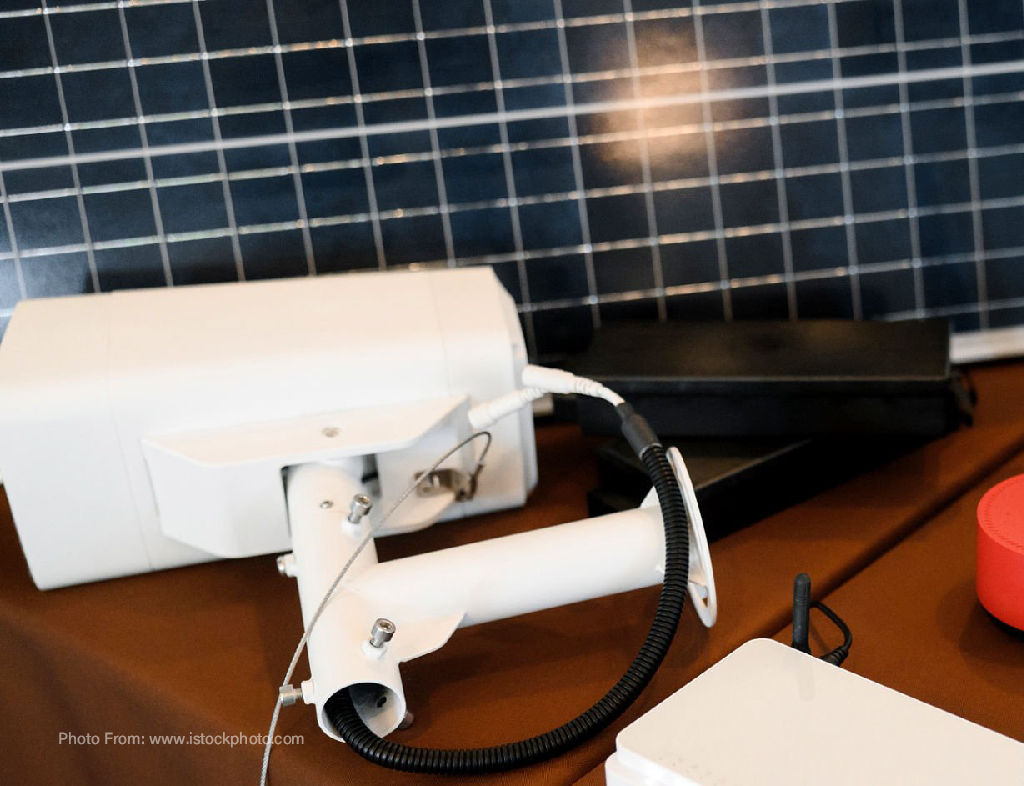
Standby power is one of the most common examples. Some devices continue drawing power even when they are not actively being used. Indicator lights, display screens, routers, monitoring equipment, security sensors, communication devices, USB chargers, and small electronics can all create a steady drain. Each one may seem minor, but together they can become a constant load on the battery. In remote cabins, RVs, boats, gates, farms, and unattended sites, these small loads may run for long periods simply because no one turns them off.
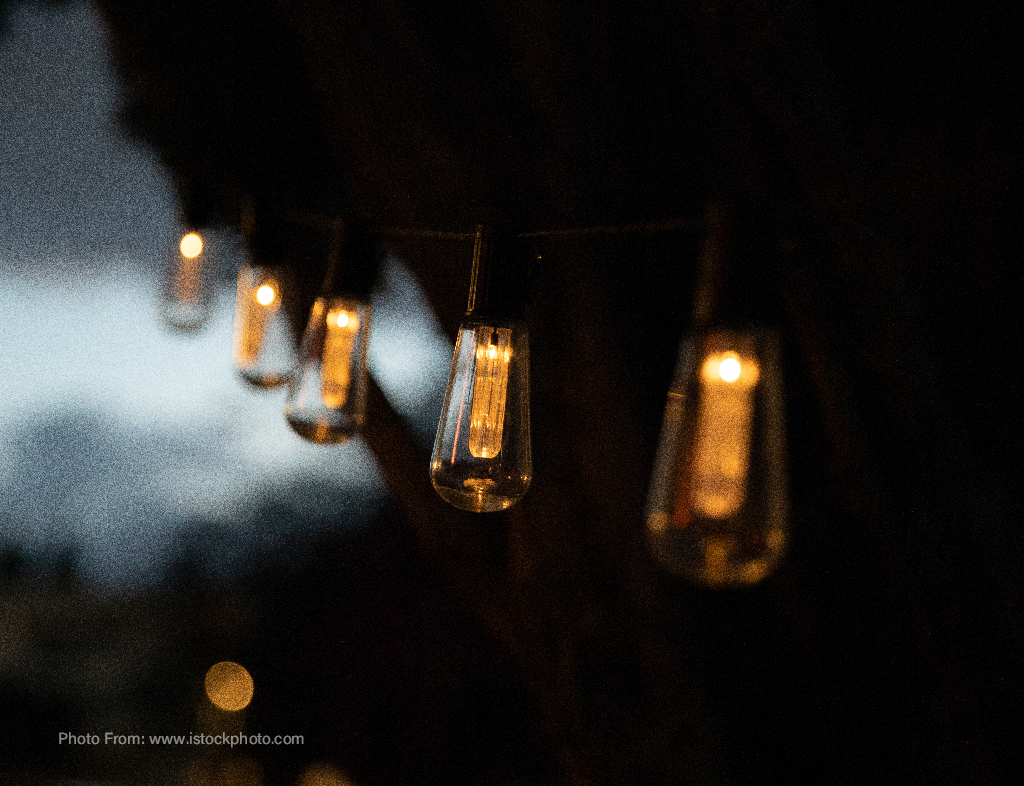
Overnight loads are especially important in off-grid systems because solar panels are not producing power during that time. Any device running after sunset must draw from stored battery energy. Refrigeration, security cameras, routers, sensors, small lights, and control equipment may all continue operating through the night. If these loads are not included in the system estimate, the battery reserve may be lower than expected by morning. On cloudy days or during periods of higher use, that reduced reserve can make the system feel unreliable even if the solar array performs well during sunny hours.
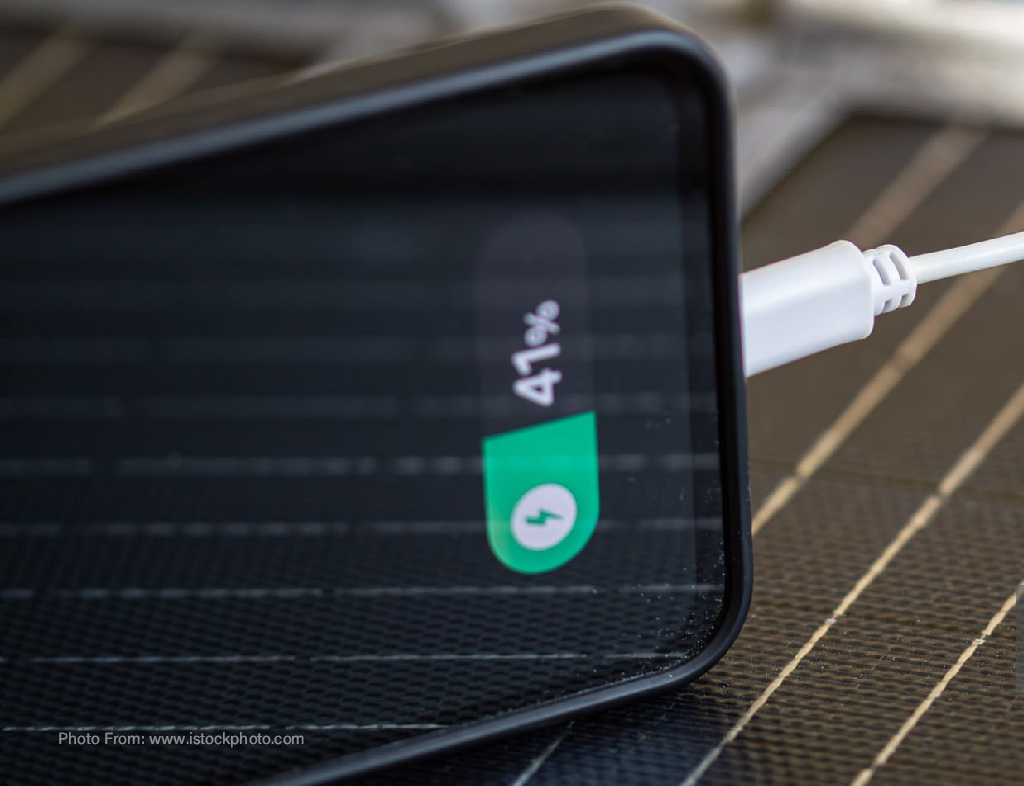
The best way to manage small loads is to identify them before they become a problem. When planning an off-grid setup, list every device that may stay plugged in or remain powered throughout the day and night. Estimate both the wattage and the number of hours each device runs. A simple energy meter can also help measure real-world usage, especially for electronics with standby power. This can reveal hidden loads that are easy to miss during planning.
Small loads do not always need to be removed, but they should be managed intentionally. Unplug unused chargers, turn off indicator lights or electronics when possible, use timers or switches, and choose efficient devices for equipment that must run continuously. For critical loads, make sure the battery bank has enough reserve to support them overnight and through cloudy conditions. In off-grid solar, the smallest devices can still matter because energy use adds up over time. Planning for them helps protect battery capacity and keeps the system more dependable.