When Portable Solar Makes More Sense Than Fixed Panels
19th Jul 2026
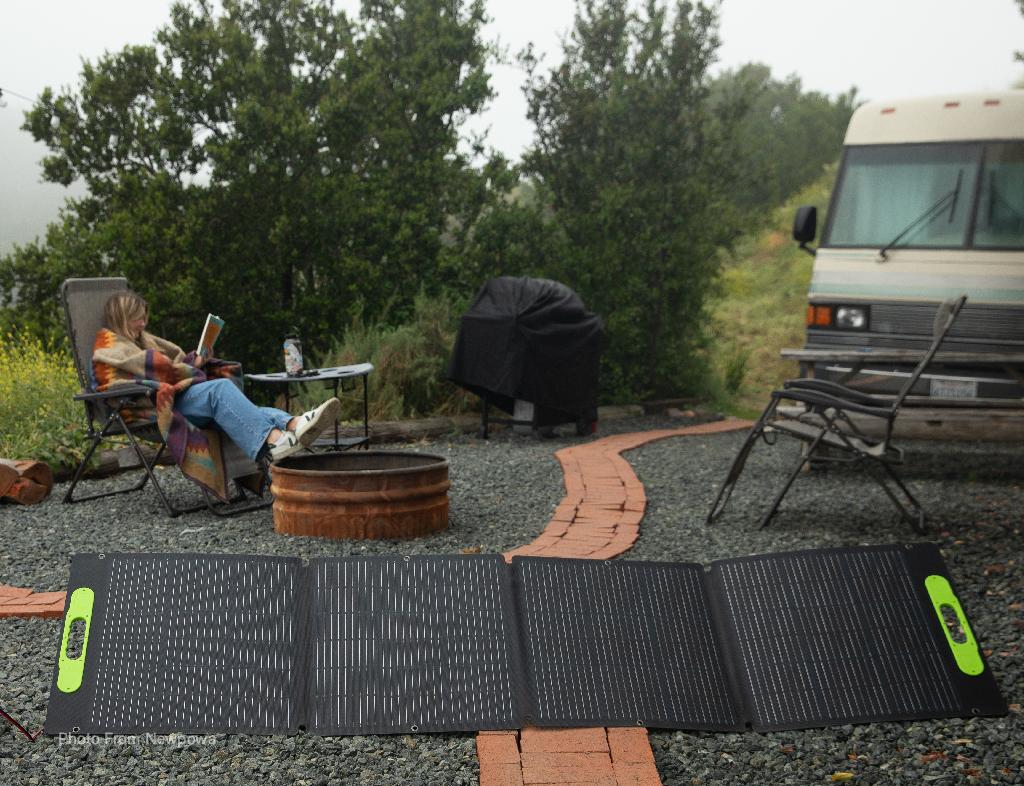
Portable solar is not always the largest or most permanent option, but for many off-grid situations, that is exactly why it works. When power needs are temporary, location-based, or changing from trip to trip, portable solar can offer a practical alternative to fixed panels. Instead of committing to one roof angle or one mounting location, users can place panels where sunlight is strongest and move them as conditions change.
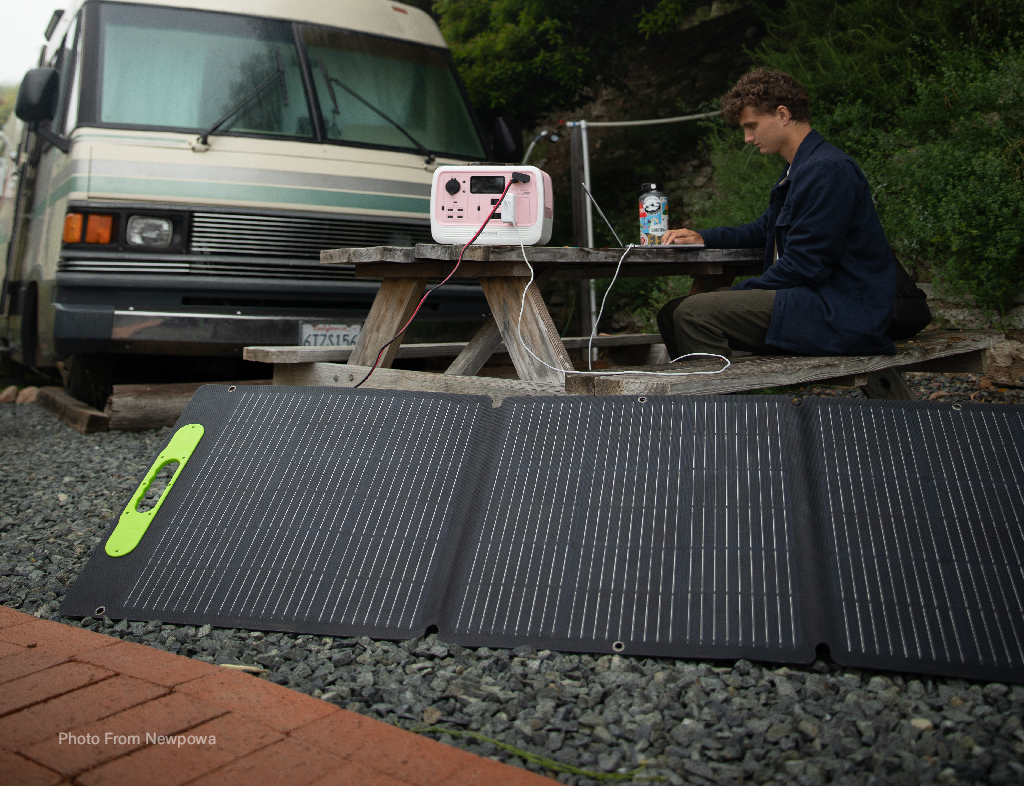
This can be especially useful for RVs, campsites, boats, and temporary work areas. An RV parked under trees may stay cooler in summer, but the roof may not receive enough direct sun for a fixed panel system to perform well. A campsite may have shade near the tent or trailer but open sunlight several feet away. Boats can also have limited flat mounting space, while temporary work areas may only need power for tools, lighting, communication devices, or battery charging during certain hours. In these cases, portable solar makes it possible to bring power to the site without permanently installing equipment.
Flexible positioning is one of the biggest advantages during summer trips. Shade can move throughout the day, especially in wooded areas, marinas, campgrounds, and job sites near buildings or equipment. A portable panel can be adjusted toward the sun in the morning, moved away from afternoon shade, or angled for better production when the sun’s position changes. For short trips, this flexibility may be more useful than having panels fixed in one place where partial shade reduces output for several hours.
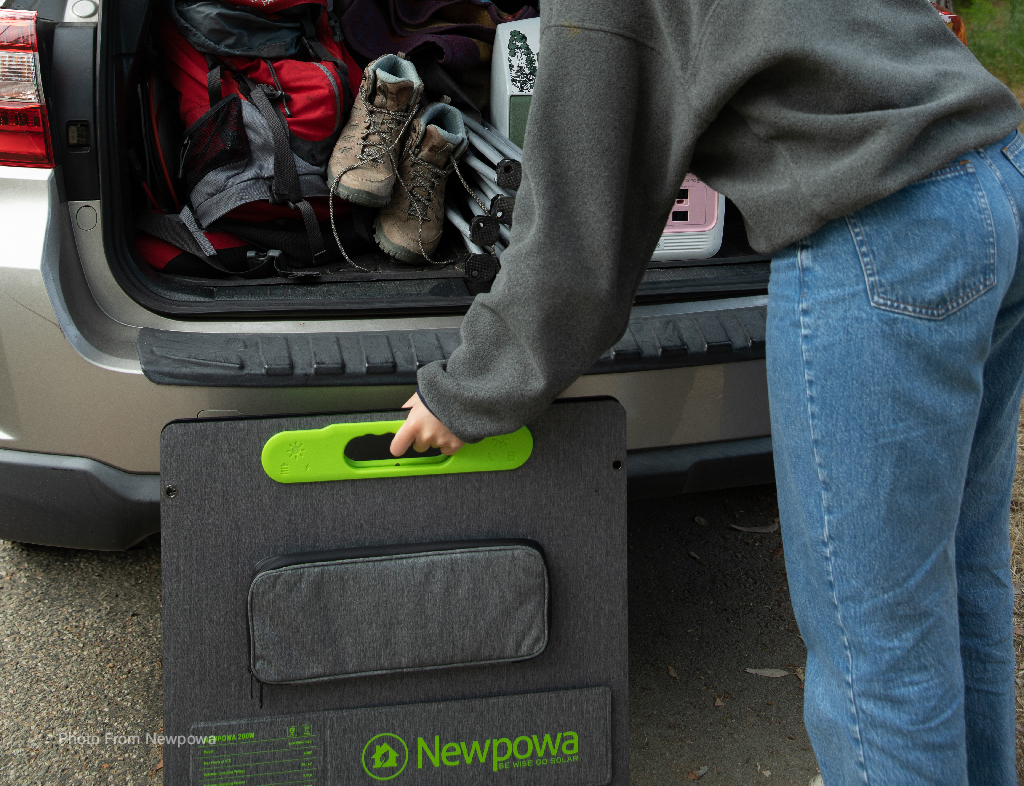
However, portable solar also comes with trade-offs. It usually requires setup and takedown each time it is used, which may feel inconvenient for frequent travel days or quick overnight stops. Wiring must be placed carefully so it does not create a tripping hazard, get pinched, or sit in standing water. Portable panels are also more exposed to wind, rain, dust, and accidental impact than panels mounted securely in place. Theft risk is another factor, especially at unattended campsites, public boat launches, or remote work areas where equipment may be left outside.
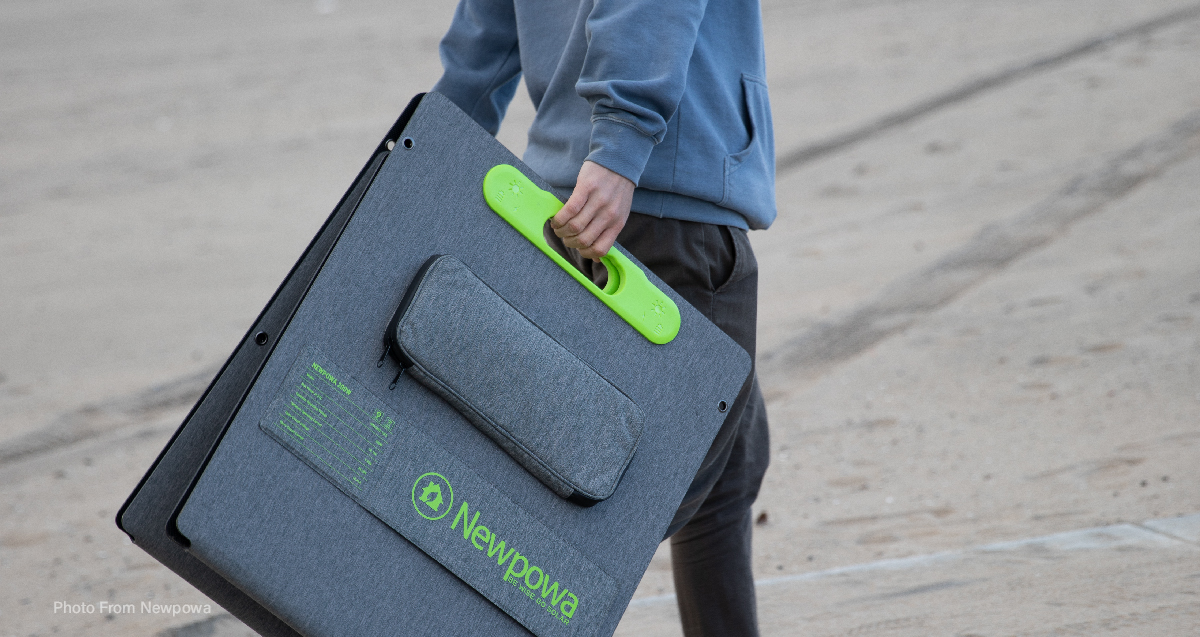
A fixed system is often the better choice when power needs are consistent and the vehicle, cabin, boat, or facility has a good mounting surface with reliable sun exposure. It is simpler during daily use because the panels are already in place and can charge whenever sunlight is available. A portable system makes more sense when shade, limited roof space, changing locations, or occasional use are the main concerns. For many users, a hybrid setup offers the best balance: fixed panels provide steady charging, while portable panels add extra production when parked in shade, running more loads, or staying off-grid longer than planned.
The right choice depends less on panel size alone and more on how the system will actually be used. For short trips, seasonal setups, and flexible off-grid power needs, portable solar can be a smart way to collect sunlight where fixed panels cannot.