WHAT PEOPLE REGRET MOST AFTER INSTALLING THEIR FIRST SOLAR SYSTEM
20th May 2026
Many first-time off-grid solar users do not regret going solar. What they regret is how easily small early decisions turn into bigger limitations later. A system may look complete on paper, power a few devices during initial testing, and still fall short once it is used in everyday conditions. In many cases, the biggest disappointment is not total failure, but the slow realization that the system does not feel as practical, flexible, or reliable as expected.
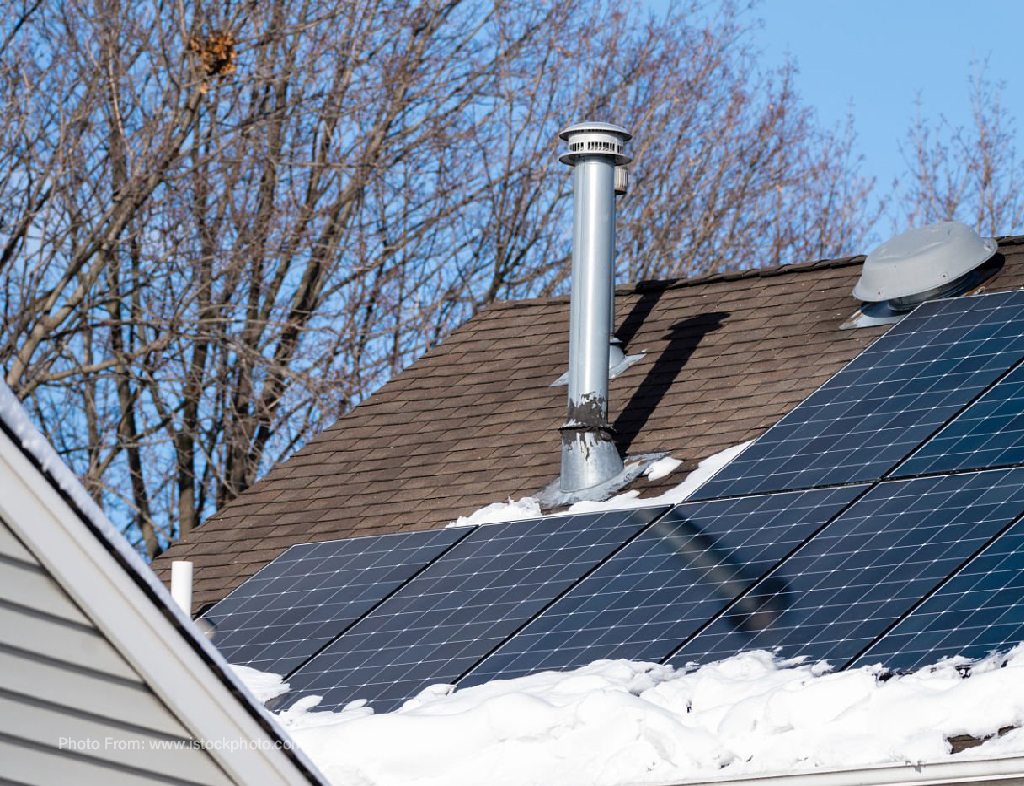
One of the most common regrets is undersizing critical components. People often focus heavily on panel wattage because it is the most visible part of the system, but real performance depends on more than just how much solar is on the roof. Battery capacity, charge controller sizing, inverter capability, wire sizing, and circuit protection all play a role in how well the system actually works. A setup that looks sufficient for light daytime use may become frustrating when cloudy weather arrives, when loads run longer than expected, or when an appliance creates a startup surge the inverter cannot comfortably handle. Many first-time users eventually realize they did not leave enough room in the design for normal inefficiencies, changing weather, or real-life usage patterns.
Another frequent regret is ignoring future needs. People often build around what they need right now, not what they are likely to want a few months later. At the beginning, the plan may be simple: charge phones, run lights, power a fan, or support a small refrigerator. Then routines change. More electronics are added, more time is spent off-grid, and comfort expectations increase. A system that once felt adequate starts to feel restrictive. The frustration is not only that the system is too small, but that expanding it is harder than expected. Sometimes the battery bank cannot be scaled easily, the charge controller has no headroom left, or the inverter was chosen so tightly that any upgrade triggers a chain of replacements. Many experienced users look back and wish they had designed with future expansion in mind from the start.
Overcomplicating the setup is another lesson that comes up often. First systems are sometimes built with too many layers, too many mismatched parts, or too many features that sound useful but add unnecessary complexity. In theory, a highly customized system can seem smarter and more capable. In practice, it can become harder to troubleshoot, harder to monitor, and more stressful to live with. When something stops working properly, simplicity matters. A system with a clear layout, compatible components, and an easy-to-understand flow of power is usually easier to manage than one filled with workarounds and overlapping functions. Many people only appreciate this after they have spent time diagnosing problems in the field.
Real-world experience tends to teach the same broad lesson: the best off-grid solar systems are not just built to work on good days. They are built to stay usable when conditions are less than ideal and when needs evolve over time. People often regret chasing the minimum instead of planning for the everyday reality of off-grid use. After their first system, many become less interested in squeezing every dollar out of the initial build and more interested in building something balanced, flexible, and easy to live with. That shift in thinking is often the most valuable lesson the first system provides.