TREATING SOLAR POWER AS INFRASTRUCTURE FOR REMOTE AND UNATTENDED APPLICATIONS
6th May 2026
Treating solar power as infrastructure changes the way remote and unattended applications should be planned. In many commercial settings, solar is not just there to run a device for part of the day. It supports equipment that may be expected to operate continuously, reliably, and with very limited human intervention.
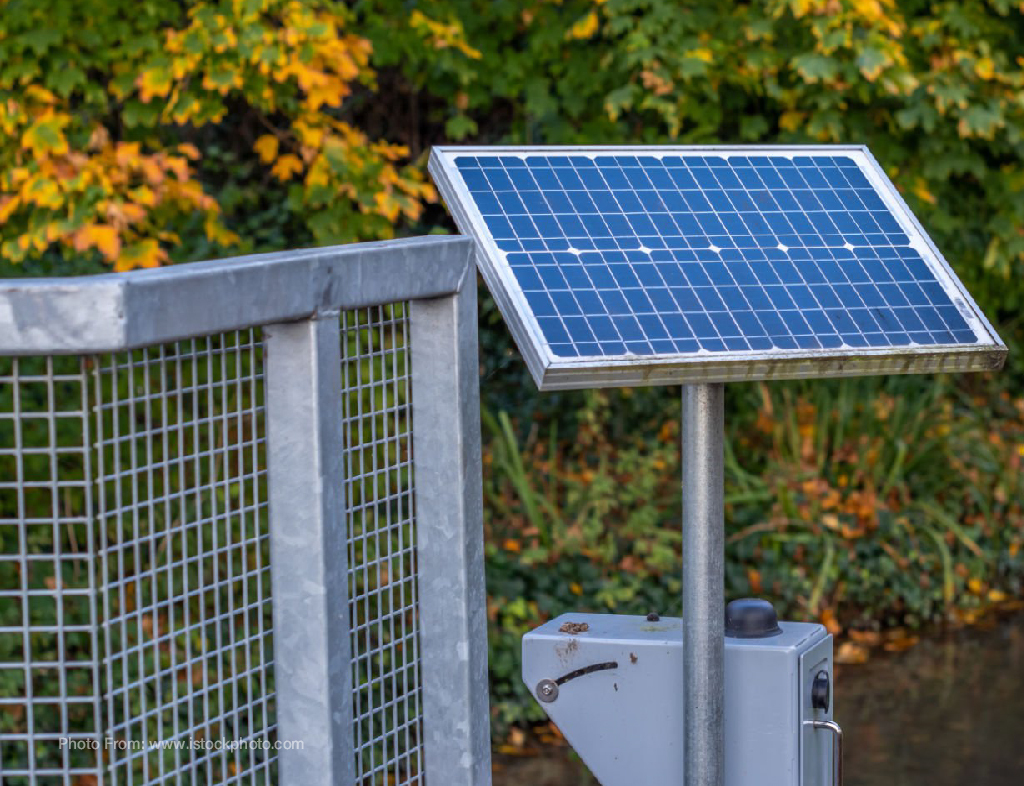
When a site depends on remote cameras, sensors, access control, communications equipment, warning systems, or other critical loads, power availability directly affects uptime, service continuity, and site reliability. A brief loss of power may not only interrupt equipment, but also reduce visibility into site conditions, delay response times, and create larger operational risks. That is why remote solar design should not be approached as a simple exercise in producing enough watt-hours on a sunny day. A system that performs well during ideal conditions may still fall short over time if it cannot handle weather swings, seasonal changes, battery aging, load variations, and the small losses that build up across the system.
This long-term view changes how system decisions should be made. Solar modules, batteries, controllers, wiring, mounting, and enclosures should all be considered in terms of durability, maintainability, and operational margin. It is often more useful to build in room for imperfect conditions than to design around best-case assumptions. A remote site may face dust, snow, shading, temperature extremes, or long periods of low solar input. If the design only works when everything goes right, it is not truly supporting infrastructure. Infrastructure should continue serving its purpose even when conditions are less than ideal.
It is also important to think beyond individual devices. In unattended applications, performance is shaped by the full system, not just by the rated demand of one load. A modem, controller, camera, and sensor package may each seem manageable on paper, yet the actual outcome depends on how they interact with storage capacity, charging behavior, standby consumption, and recovery time after poor weather. A system that keeps one component alive while another drops offline can still create a service failure. Looking at the site as a whole leads to better decisions about power budgets, load priority, redundancy, and system visibility.
Seen this way, solar becomes part of a broader infrastructure and resilience strategy rather than a standalone power source. It can help reduce dependence on grid extension, support operations in difficult locations, and provide greater continuity where outages or access limitations would otherwise create major problems. But that value comes from thoughtful integration. Power should be planned alongside communications, equipment housing, maintenance intervals, and risk tolerance. The strongest remote systems are usually the ones designed with the understanding that energy is not separate from operations. It is one of the foundations that allows the entire site to function.
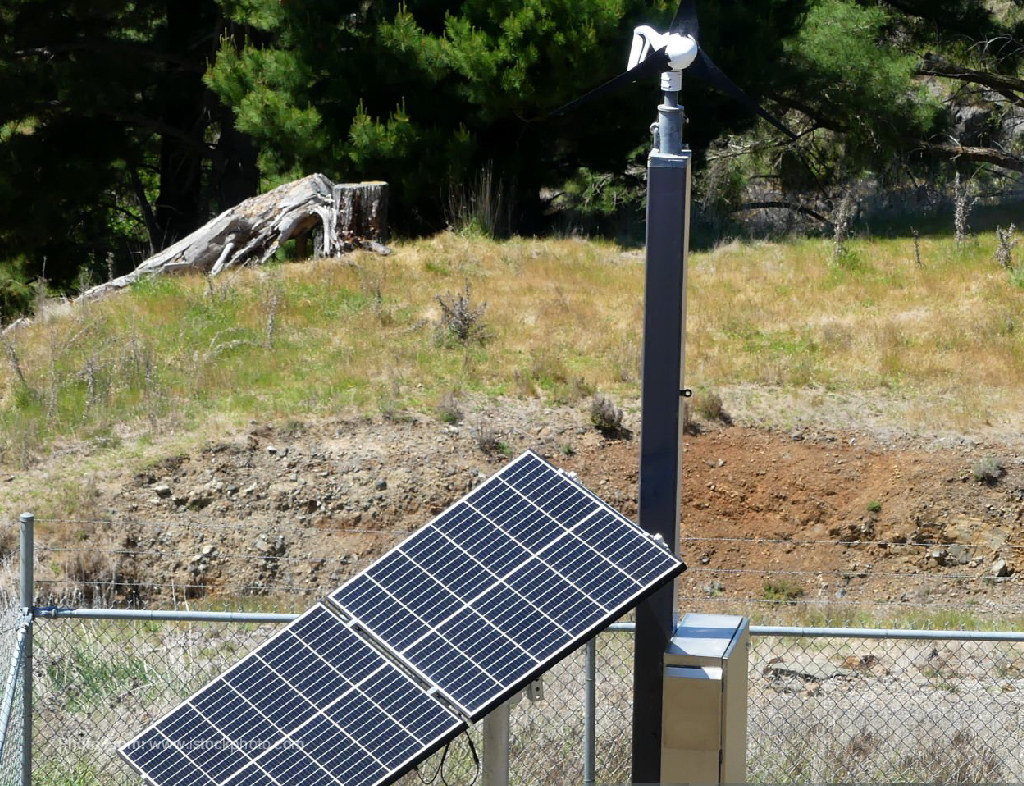
For remote and unattended applications, treating solar power as infrastructure leads to better outcomes because it shifts the focus from simple generation to dependable performance. That mindset helps create systems that are not only efficient, but also resilient enough to support real-world operations over time.