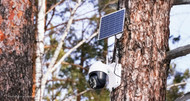
SOLAR POWER FOR REMOTE SECURITY CAMERAS
10th Jun 2026
Remote security cameras are often installed in places where visibility matters most, but utility power is not always available or practical to run. Gates, yards, cabins, farms, equipment areas, storage lots, and other unattended locations may need continuous monitoring even when no one is nearby. In these settings, a solar-powered system can help support camera operation without depending on a grid connection, but the system has to be planned around real-world power use, not just daytime sunlight.
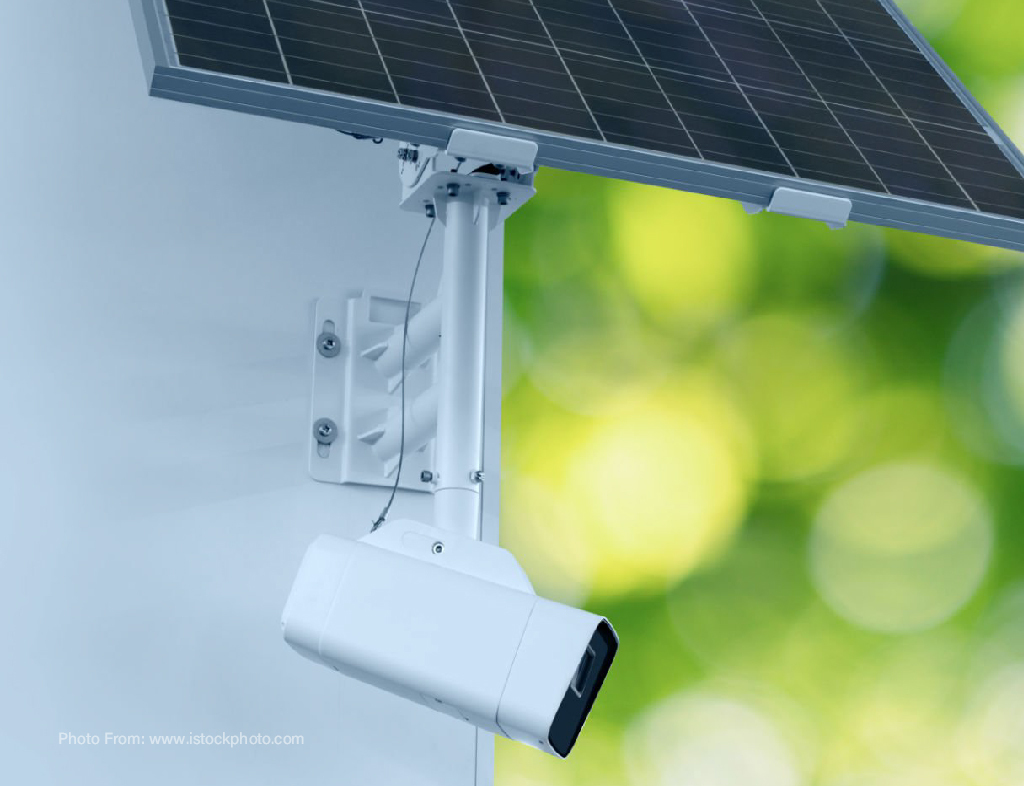
A remote camera does not only need power when the sun is shining. Many security applications require both daytime and nighttime operation, especially when the purpose is to monitor access points, equipment, vehicles, livestock areas, or remote property. During the day, solar energy may help run the camera and recharge the battery. At night, the camera depends on stored battery power. If the battery is too small, the system may perform well during sunny hours but lose reliability exactly when monitoring is still needed.
Energy use can also vary depending on how the camera is configured. A camera that records continuously will usually consume more power than one that records only when motion is detected, but motion detection is not always a simple low-power solution. Frequent movement from people, animals, vehicles, trees, or weather can trigger repeated recording, alerts, and data transmission. Higher recording resolution, longer clip length, cloud upload settings, constant live viewing, infrared lights, and communication devices such as cellular routers, Wi-Fi bridges, or wireless transmitters can all increase daily energy demand. In some systems, the communication equipment may become one of the larger daily loads, especially if it stays on continuously to support alerts or remote access.
Because remote camera systems are often left unattended, battery reserve is one of the most important parts of the design. A system should not be sized only for a perfect sunny day. Cloudy weather, seasonal changes, snow, dust, shading, and shorter winter daylight can all reduce solar charging. A larger battery reserve gives the system more time to keep operating when solar input is limited. This is especially important for sites that are difficult to visit quickly, such as rural gates, farms, cabins, construction storage areas, remote yards, and equipment locations. At a gate, a camera may need to monitor vehicle entry. On a farm, it may help watch barns, livestock areas, or irrigation equipment. Around a cabin, yard, or equipment area, it may provide visibility when the site is vacant or after business hours.
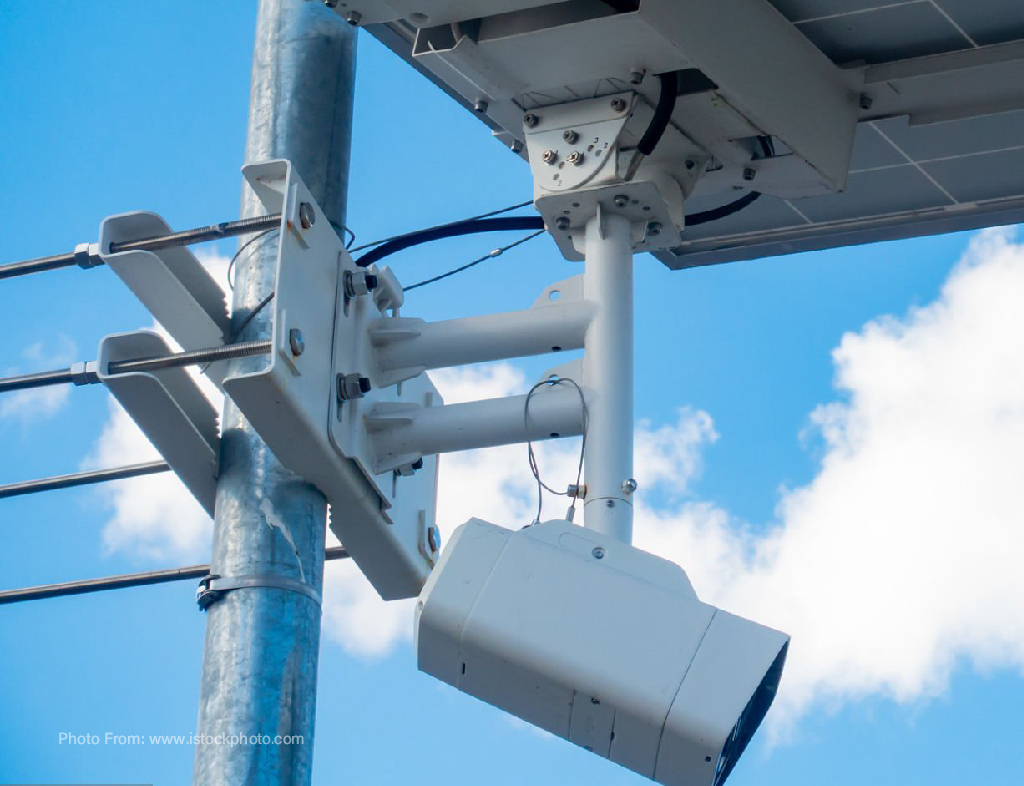
Solar power is well suited for many remote security applications because these systems are often located where running power lines would be costly, disruptive, or impractical. Each site has different camera settings, communication needs, sun exposure, and reserve requirements, so the solar setup should be matched to the actual load and operating schedule. When the solar panel and battery are planned around these real conditions, solar power can provide a practical way to support off-grid security monitoring in places where dependable visibility is needed.