Solar Power for Remote Gates and Access Control
Posted by Amber on 2nd Jul 2026
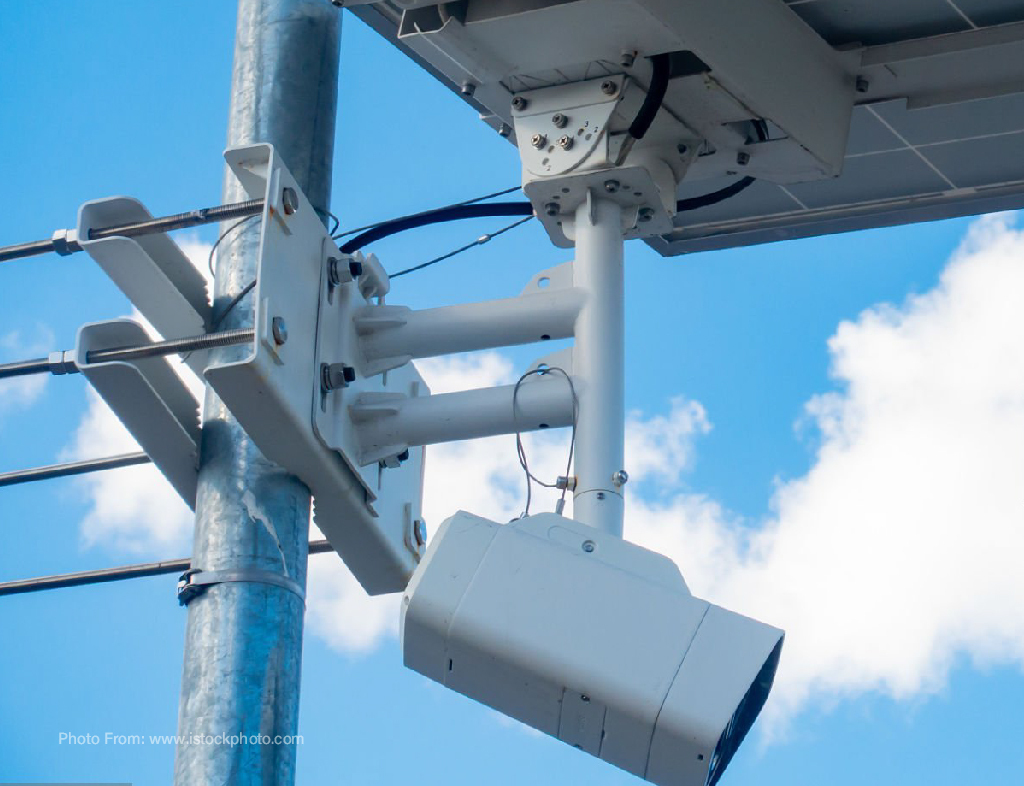
Remote gates and access control systems often serve as the first point of security for sites that are not always staffed or easy to reach. Whether the entrance protects a farm, storage yard, private road, industrial property, or remote facility, the system needs power not only when someone opens the gate, but also during the long hours when it is waiting for the next command. For many of these locations, extending utility power can be expensive, inconvenient, or impractical, which makes solar power a useful option for keeping entry systems operating away from the grid.
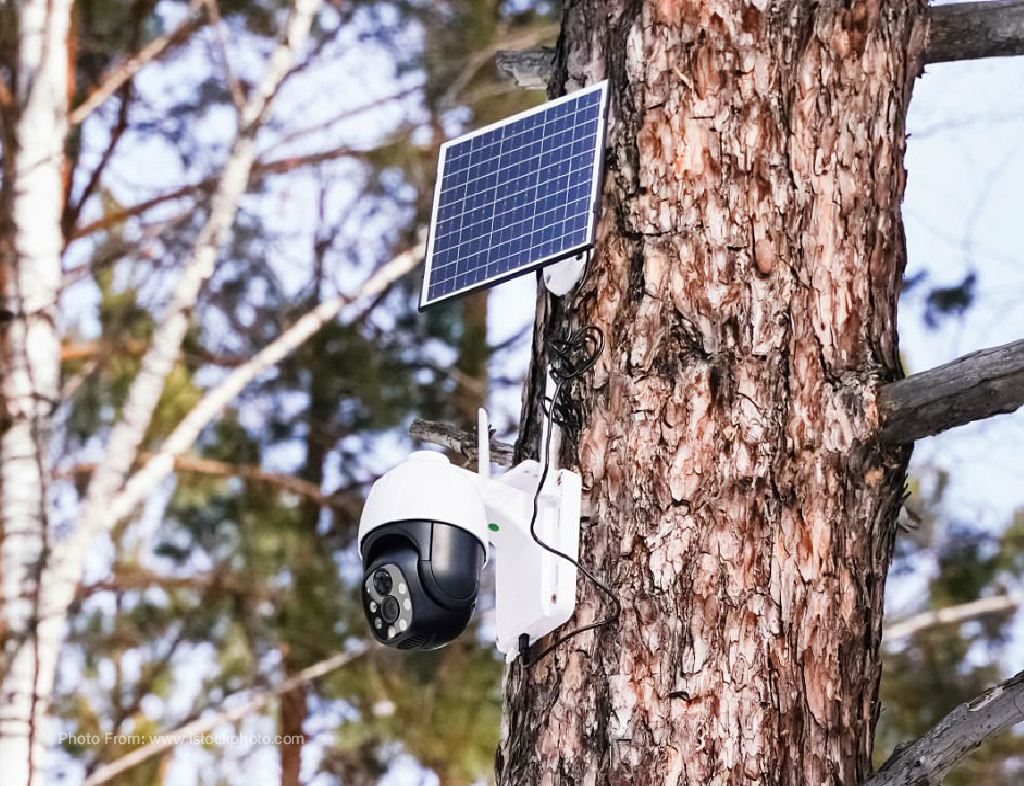
A remote access system may include more than just the gate operator. Keypads, card readers, intercoms, vehicle sensors, safety loops, cameras, wireless transmitters, and control boards may all rely on the same power source. Some of these devices use only a small amount of electricity at a time, but they may remain active all day and all night. This makes dependable power especially important because an entry system that loses power can affect security, deliveries, employee access, emergency entry, and daily operations.
One common mistake is focusing only on the motor that opens and closes the gate. The motor may draw a higher amount of power, but usually only for a short period. In many systems, the quieter standby loads can matter just as much over a full day. A keypad waiting for input, a receiver listening for a remote signal, a card reader staying active, or a sensor monitoring vehicles may use power continuously. Over several hours, these small loads can add up and reduce the available battery capacity, especially overnight when the solar panels are not producing power.
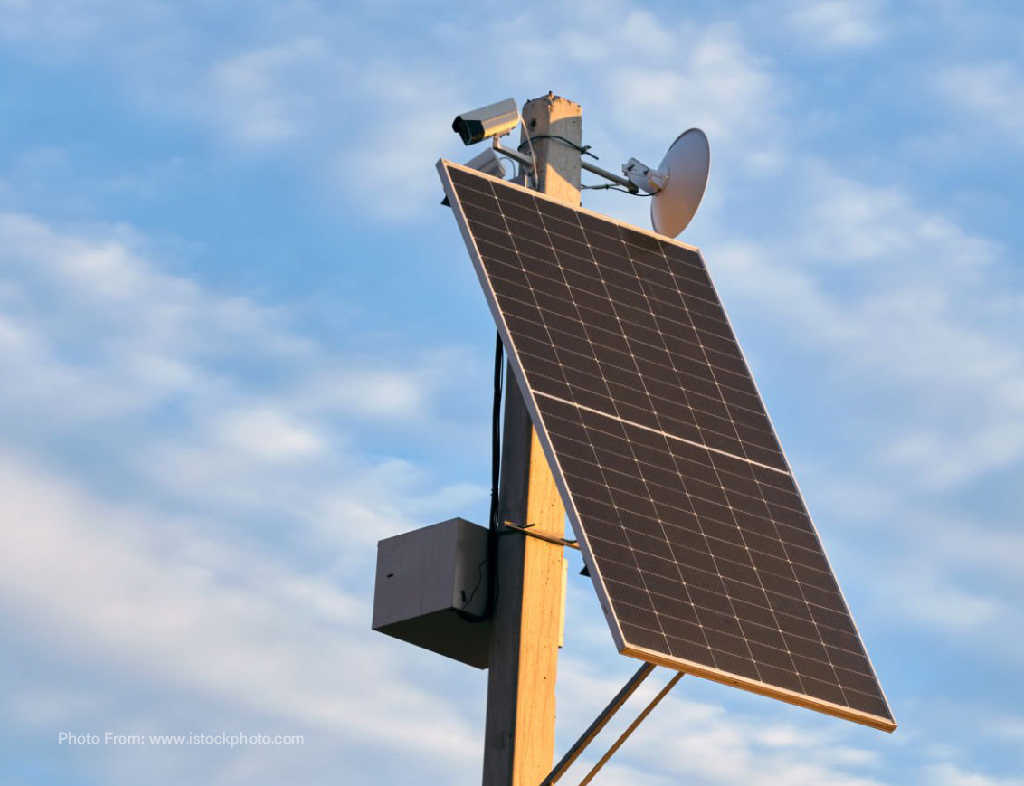
This is why solar planning for remote gates should consider both types of demand: short bursts from motor operation and steady background consumption from the access control equipment. The number of gate cycles per day, the weight and style of the gate, weather conditions, communication devices, and accessories all affect how much energy the system needs. A low-traffic gate with a simple keypad may have very different power requirements from a busy entrance with multiple readers, sensors, and communication equipment.
Battery reserve is also critical for sites that are not checked every day. A gate at a farm entrance, equipment yard, storage facility, or remote industrial site may need to keep working through cloudy weather, weekends, seasonal changes, or periods of heavier traffic. If the battery is sized only for ideal sunny conditions, the system may work well at first but fail when weather or usage changes. A properly planned reserve helps the system continue operating when solar production is lower or when site access is still needed after several days without strong sunlight.
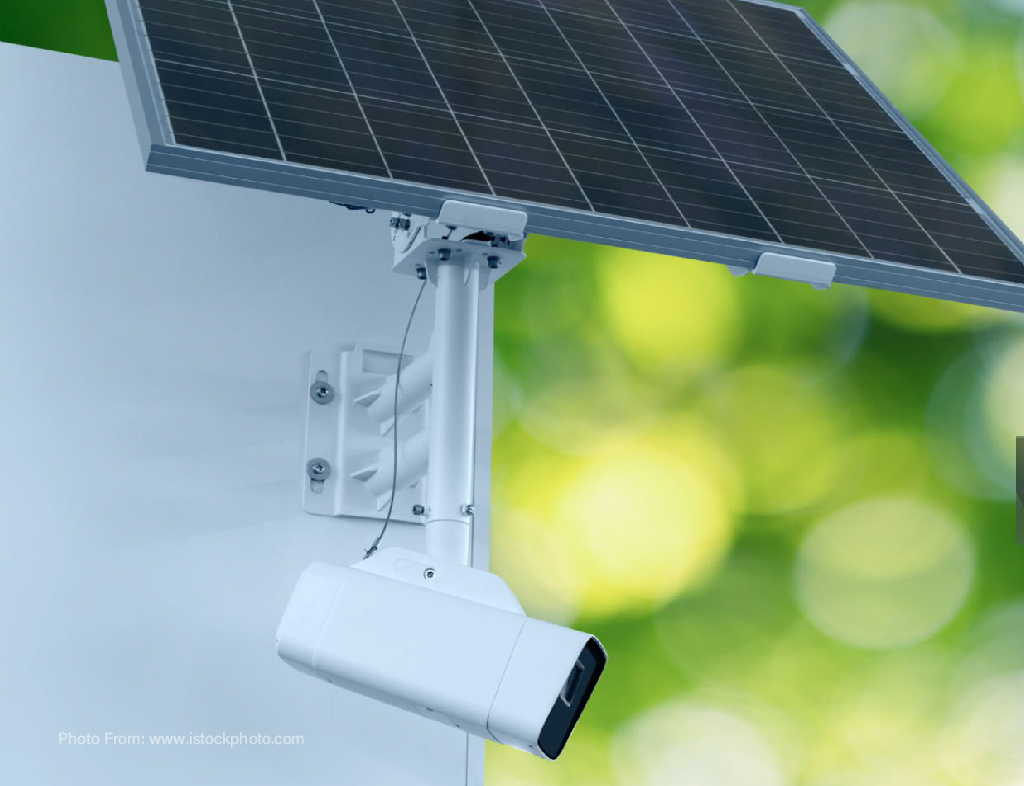
Solar power can be especially useful for entrances where reliability matters but grid access is limited. Farms may use powered gates to manage livestock areas or equipment access. Storage yards may need controlled entry for customers, employees, or deliveries. Private roads may require access control for residents, service vehicles, or emergency responders. Industrial entrances and remote facilities may depend on gates and entry systems to protect valuable equipment and manage who can enter the site.
For these applications, a solar-powered gate system should be designed as part of the site’s access infrastructure, not as an afterthought. The goal is not just to open the gate on a sunny afternoon, but to keep the full access system ready whenever entry is needed. By accounting for standby loads, motor operation, battery reserve, and real site conditions, off-grid solar can provide a practical and dependable power source for remote gates and access control systems.