Preparing Your RV Solar System for One Last Summer Adventure
16th Aug 2026
For many RV travelers, the end of summer is one of the best times to hit the road. Popular campgrounds become quieter, temperatures begin to cool in many regions, and scenic destinations often feel more relaxed after the peak travel season. It's also the perfect opportunity for one last extended boondocking trip before fall arrives.
While planning routes, checking tire pressure, and stocking food are all common parts of trip preparation, it's just as important to make sure the RV's solar system is ready for several days away from shore power. Small maintenance tasks and a realistic understanding of daily power needs can make the difference between enjoying a peaceful campsite and spending the trip searching for the nearest electrical hookup.
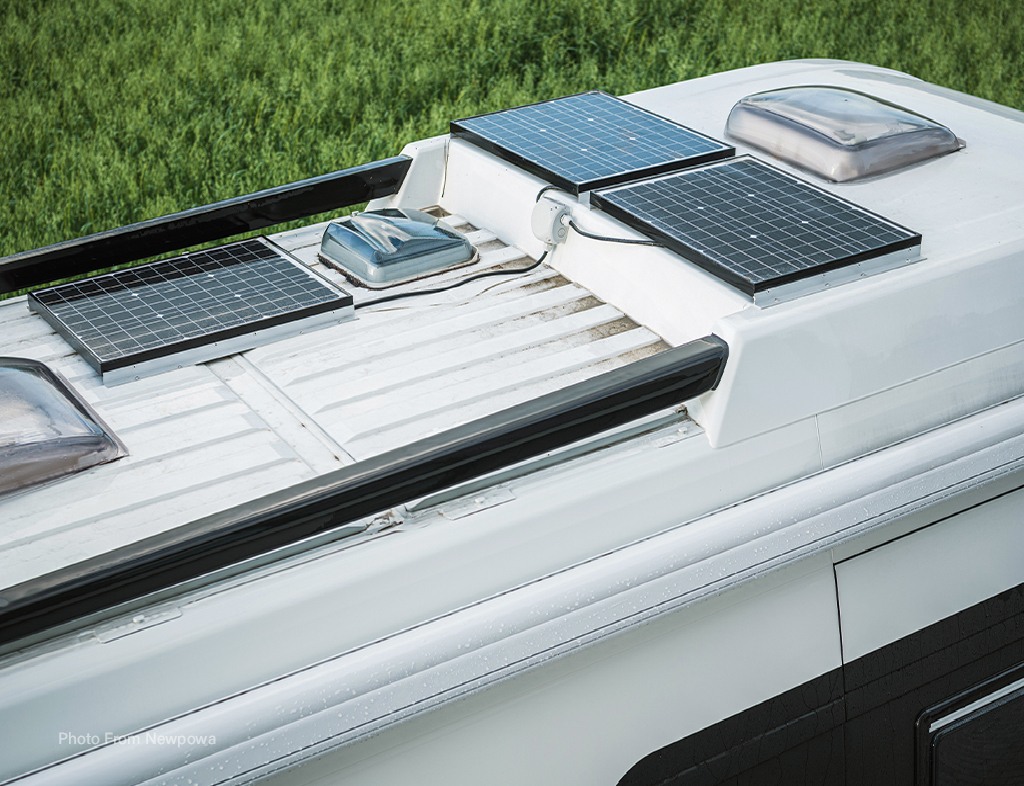
During late summer, power consumption often looks different than it did earlier in the season. Roof ventilation fans may still run throughout the afternoon, but cooler evenings mean lights remain on for longer periods. Travelers may also spend more time inside the RV after sunset, charging cameras, tablets, drones, or laptops after a full day outdoors. Families traveling before school resumes may have multiple devices connected at the same time, while remote workers may still rely on internet equipment throughout the day.
At the same time, solar production gradually begins to change. Although sunny days remain common, daylight hours slowly become shorter, and afternoon weather can become less predictable in many areas. A system that easily kept batteries full during midsummer may produce less energy during consecutive cloudy days or when campsites are surrounded by trees.
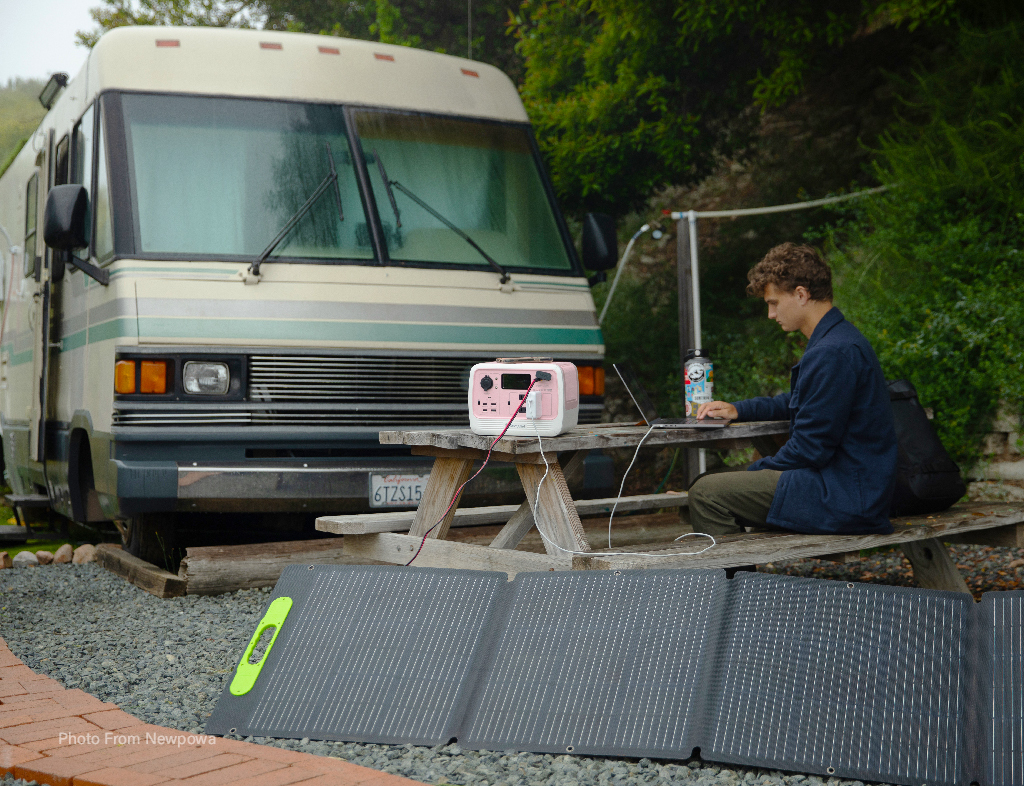
Before leaving, it is worth giving the solar system a quick inspection. Panels should be clean and free of dirt, leaves, or pollen that may have accumulated over previous trips. Wiring should be checked for loose connectors or signs of wear, particularly if the RV has spent time on rough roads. If portable solar panels are part of the setup, inspect extension cables and connectors before packing them away.
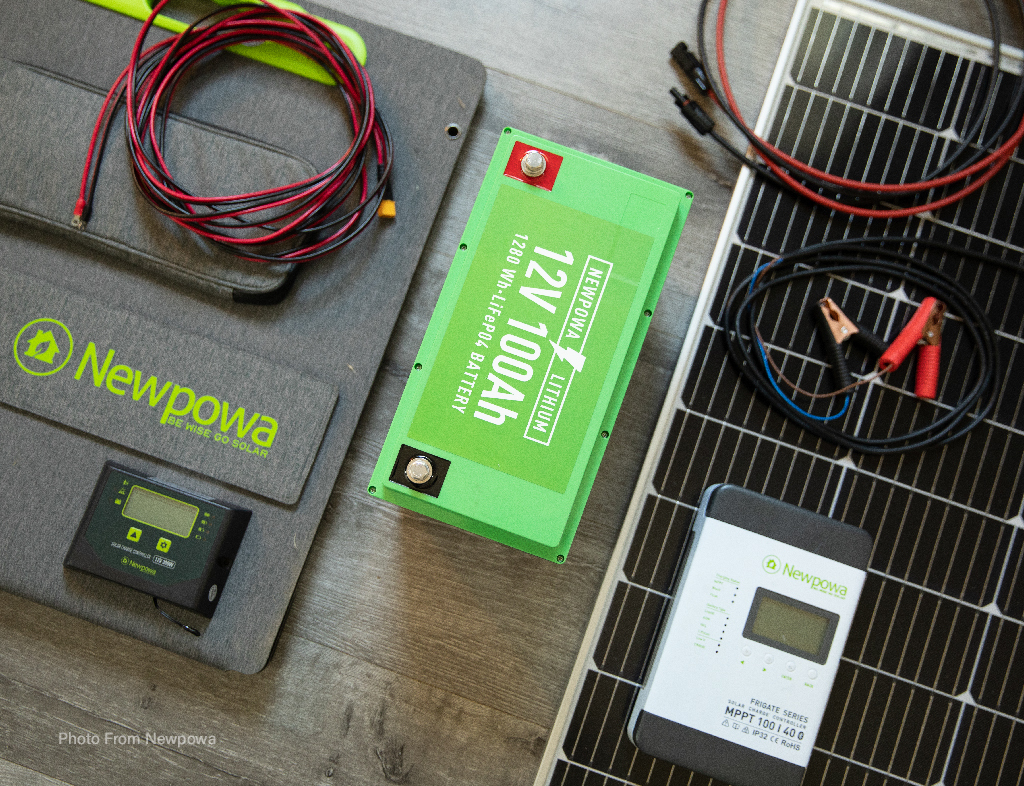
Battery health deserves the same attention. Whether using lithium or traditional lead-acid batteries, understanding available capacity helps set realistic expectations for time spent off-grid. Batteries naturally become the heart of any boondocking system once the sun goes down, and knowing their condition before departure helps avoid unpleasant surprises during longer stays.
Parking location can also affect solar performance more than many people expect. During hot weather, campers often choose shaded campsites to keep the RV comfortable, but roof-mounted solar panels may receive significantly less direct sunlight throughout the day. Portable solar panels can provide additional flexibility by allowing the RV to remain in the shade while the panels are positioned where sunlight is strongest.
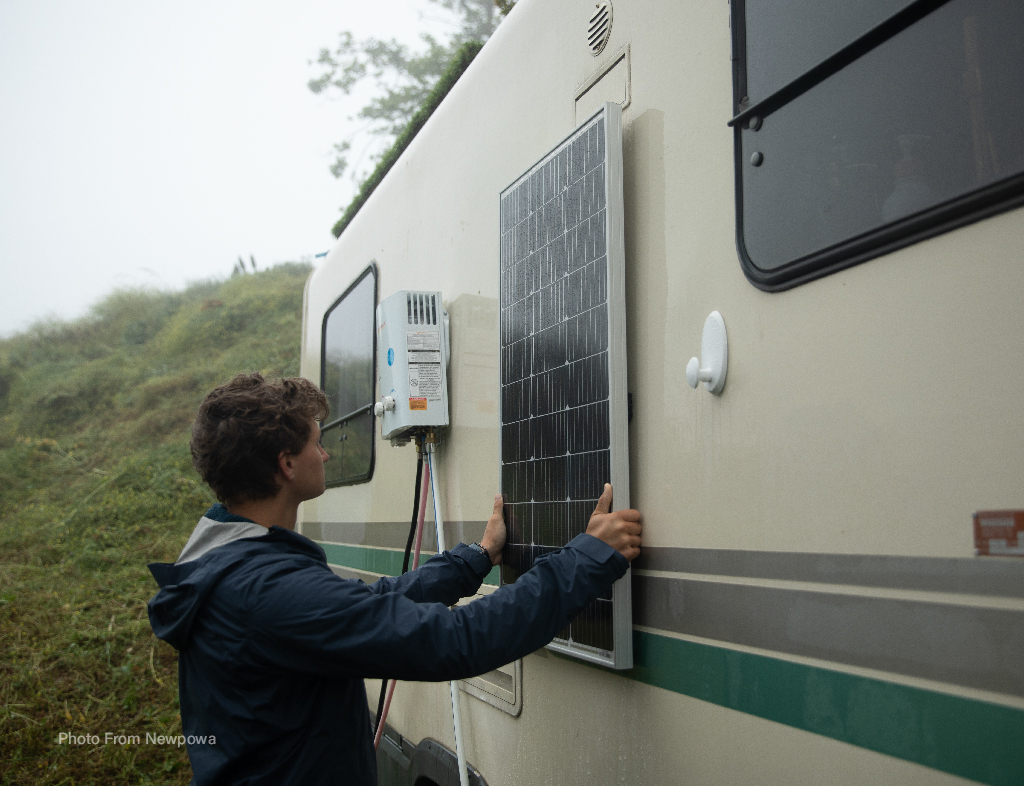
Weather is another factor worth planning for. Late summer often brings sudden thunderstorms, changing wind conditions, and occasional heavy rain depending on the region. Carrying simple items such as rain gear, spare fuses, extension cables, or a basic repair kit can help keep a trip on schedule if unexpected conditions appear.
Good energy habits remain just as valuable as larger battery banks. Charging electronic devices during the brightest part of the day, avoiding unnecessary inverter use overnight, and checking battery levels regularly all help extend the amount of time an RV can comfortably remain off-grid.
There is no single solar system that fits every traveler. Weekend campers, full-time RV owners, and seasonal explorers all have different energy requirements depending on where they travel and how they camp. The most reliable setup is often the one that matches actual daily power use rather than simply adding more equipment.
With a little preparation before departure, late-summer travel can offer some of the most rewarding camping experiences of the year. A dependable solar system allows travelers to spend more time enjoying quiet mornings, scenic overlooks, and remote campsites instead of worrying about battery levels or finding the next place to plug in.