
PLANNING OFF-GRID POWER FOR REFRIGERATION
17th Jun 2026
Planning off-grid power for refrigeration requires more than checking the wattage printed on a refrigerator or freezer label. Unlike simple devices that turn on for a short period and then stop, refrigeration loads often cycle throughout the entire day and night. A refrigerator may not use its full rated wattage every minute, but the compressor starts and stops repeatedly to maintain temperature. Over 24 hours, that cycling behavior can make refrigeration one of the more demanding loads in an off-grid solar system, especially when the system also needs to support lights, fans, pumps, communication devices, or other everyday equipment.
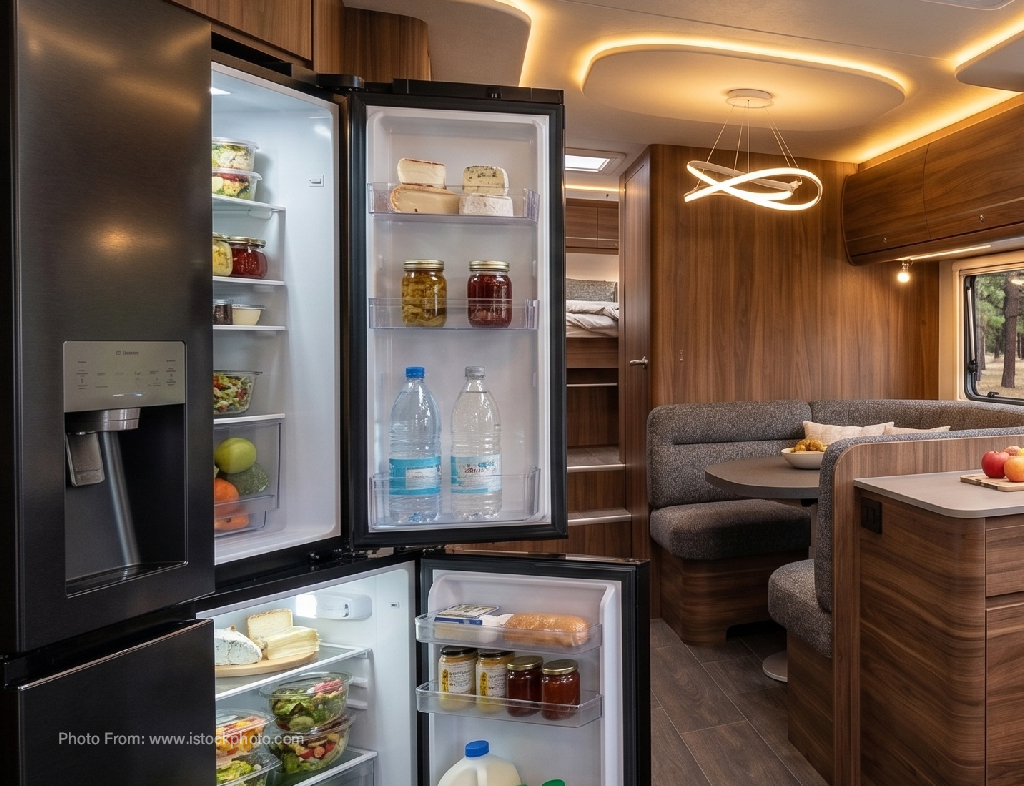
Several factors affect how much energy a refrigerator or freezer actually uses. Compressor cycling is one of the biggest variables because the unit draws power each time it runs, and many units also require a brief startup surge when the compressor turns on. That surge may be much higher than the normal running wattage, so the inverter needs to handle both the steady load and the short starting demand. Ambient temperature also matters. A refrigerator placed in a hot RV, cabin, shed, boat, garage, or equipment area will usually work harder than the same unit in a cooler indoor space. Poor ventilation around the unit can add to the problem because heat cannot escape efficiently, causing longer compressor runtime.
Daily habits can increase energy use as well. Each time the door is opened, warm air enters and the refrigerator has to cool the space again. Loading warm drinks, fresh groceries, bait, medicine, or supplies into the unit can also increase runtime until everything reaches the target temperature. In summer, this effect becomes more noticeable. Longer daylight may improve solar production, but higher temperatures can also increase refrigeration demand and battery draw at the same time. This is why summer conditions should not be treated as automatically easier for off-grid power planning. Stronger solar input helps, but it does not remove the need for proper storage and reserve capacity.
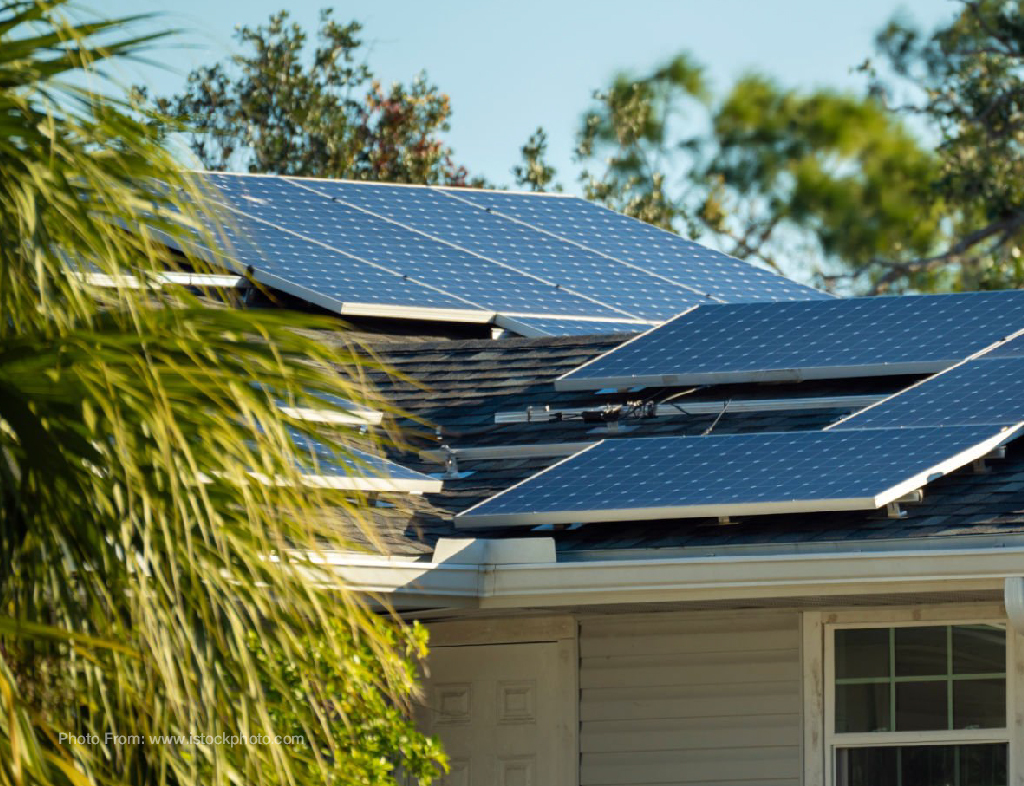
A reliable setup should be planned around daily watt-hour use, not just rated wattage. For food storage, drinks, bait, medicine, or other temperature-sensitive supplies, the system should include enough solar input to recover energy during the day and enough battery capacity to run through the night, cloudy weather, and heavier-use periods. It is also smart to include a safety margin for heat, door openings, battery aging, and other loads sharing the same system. With an efficient refrigerator or freezer, good ventilation, realistic usage estimates, proper inverter sizing, and adequate battery reserve, off-grid solar can support refrigeration more reliably without assuming that longer summer days alone will cover every power need.