PLANNING A SOLAR SYSTEM THAT CAN GROW WITH YOU OVER TIME
29th Apr 2026
Planning an off-grid solar system is not just about meeting today’s needs. A system that works well for a weekend setup or a small cabin can start to feel limited once more appliances, longer stays, or changing habits increase daily power demand. That is why one of the smartest ways to build an off-grid system is to think beyond the first installation and choose a design that can grow over time.
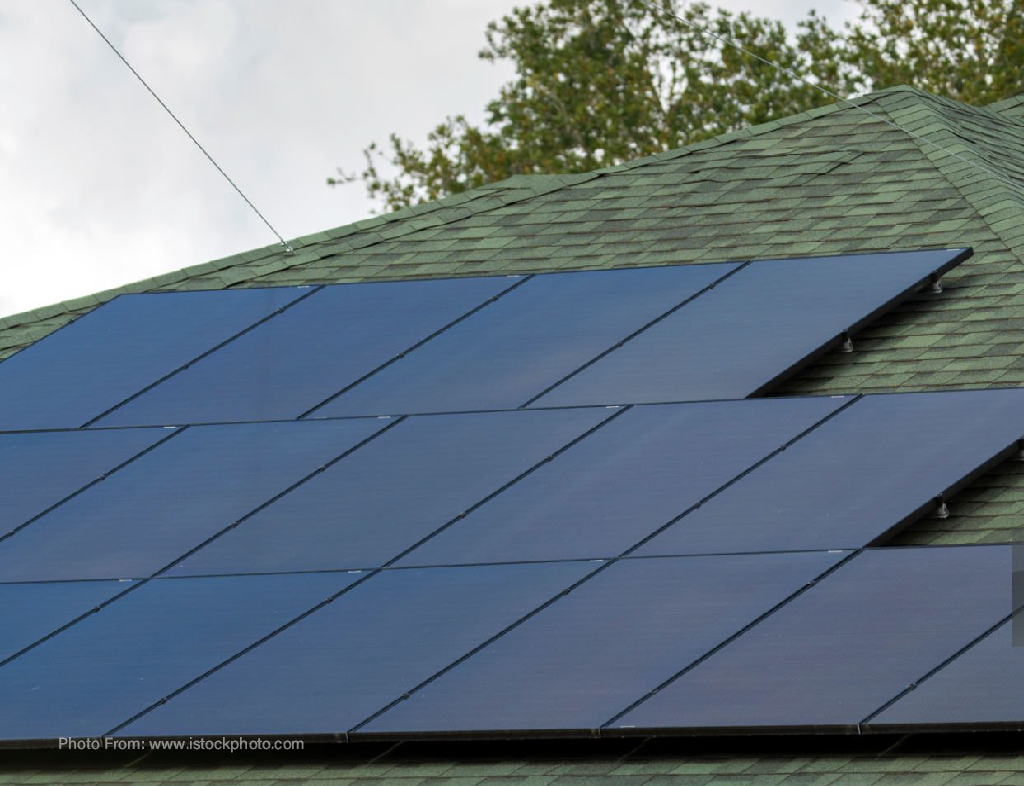
A good starting point is designing with future expansion in mind, even if the first version of the system is relatively small. Many people begin with only a few essentials, such as lights, device charging, or a small refrigerator, but later decide to add fans, water pumps, routers, or other equipment. If the original system was built with no room to expand, every upgrade becomes more expensive and complicated. Leaving space for extra solar input, additional battery capacity, and higher load handling can make future improvements much easier.
This is also why avoiding dead-end components matters. Some parts work fine in a small system but become a problem as soon as power needs increase. A charge controller that cannot accept more solar input, an inverter that is already at its practical limit, or cables sized only for the smallest possible setup can all force a partial rebuild later. Instead of choosing components that only satisfy the minimum requirement today, it is often better to choose core equipment that gives some headroom. That does not mean overspending on everything from the start, but it does mean being selective about which parts should be flexible enough to support the next stage.
Voltage choice plays a major role in whether a system can scale smoothly. Small systems often begin at 12V because the equipment is common and simple to use, but as systems grow, higher voltages usually make expansion easier. Moving more power at a higher system voltage reduces current, which helps limit cable size, voltage drop, and heat. That becomes increasingly important when adding larger inverters, bigger battery banks, or longer cable runs. Choosing a voltage strategy that matches likely future demand can prevent the system from hitting practical limits too early.
The most efficient upgrades are usually the ones that do not require replacing everything that already works. A scalable system is built so that panels can be added without changing the whole charging setup, batteries can be expanded in a controlled way, and the inverter side is not boxed into a narrow limit from day one. When the foundation is planned well, upgrades feel like additions rather than do-overs.
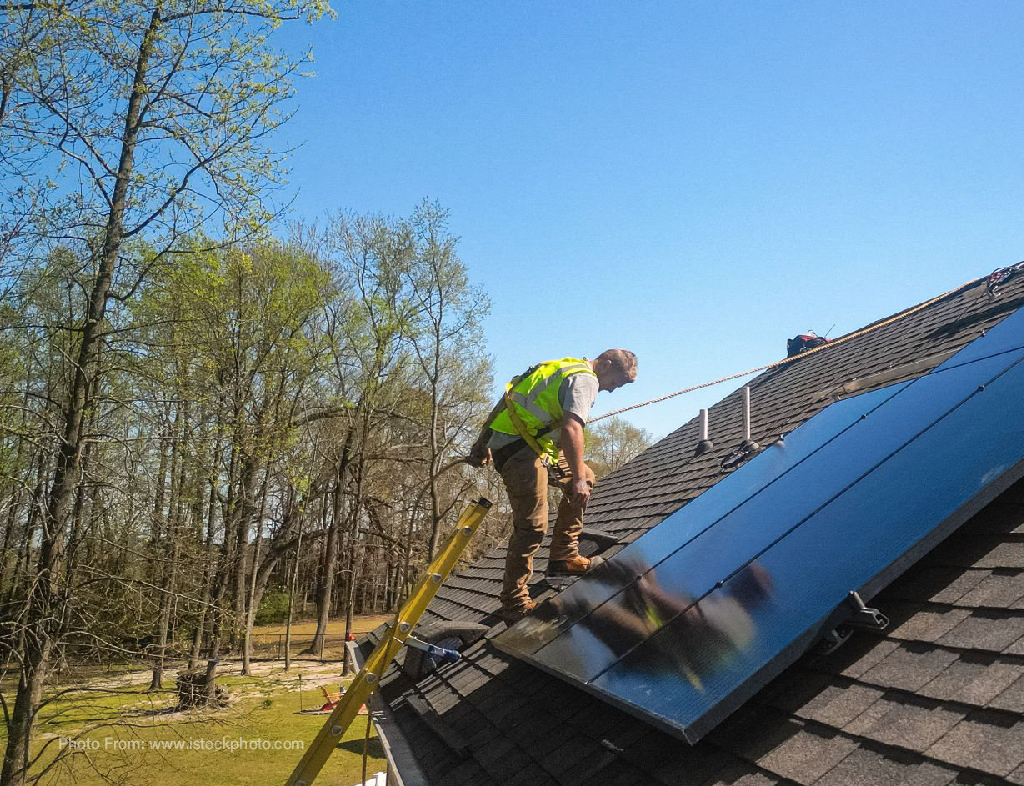
Off-grid solar works best when it is treated as a system that can evolve. Needs change, usage grows, and what feels sufficient now may not stay that way for long. Planning for expansion, choosing components that do not block future growth, and thinking carefully about voltage and upgrade paths can help build a system that remains useful for years instead of becoming something that has to be rebuilt too soon.