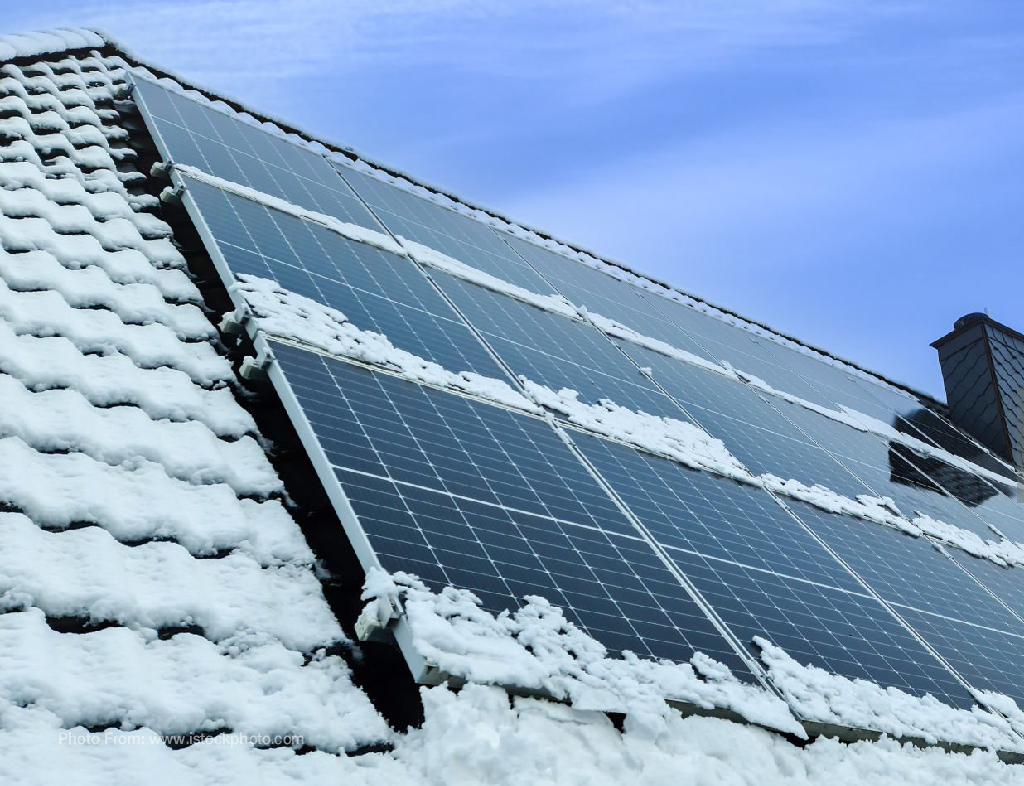
Maximizing Winter Yields: The Engineering Behind Solar Overpaneling
19th Oct 2026
As winter approaches, off-grid solar users face the realities of the season: lower sun angles, frequent cloud cover, and significantly shorter daylight hours. When the sun is only hitting your panels for a few hours a day, keeping a battery bank charged can become difficult. For DIY enthusiasts, off-grid cabins, and B2B commercial fleets, maintaining power during the winter requires a different approach to system sizing.
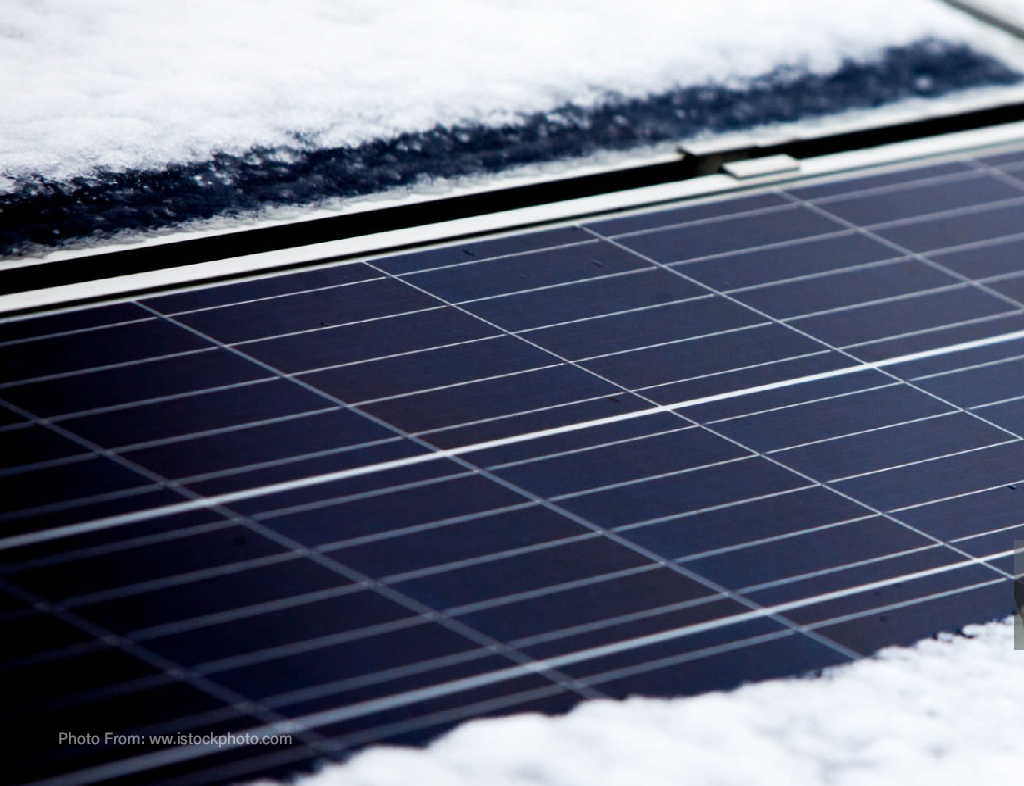
One of the most effective ways to boost winter performance without buying massive, expensive battery banks is through a strategy called overpaneling.
Overpaneling simply means installing a solar array with a total wattage rating that is higher than your MPPT charge controller’s maximum output rating. For example, connecting 600 watts of solar panels to an MPPT controller designed for 400 watts. While it sounds counterintuitive, it is a mathematically sound engineering practice designed to capture the maximum available energy during low-light conditions.
During the peak days of summer, the MPPT controller will safely “clip” or ignore the excess power that the panels could produce. However, during the winter, that oversized array will allow your system to reach peak charging power earlier in the morning, sustain it during overcast hours, and hold it longer into the afternoon.
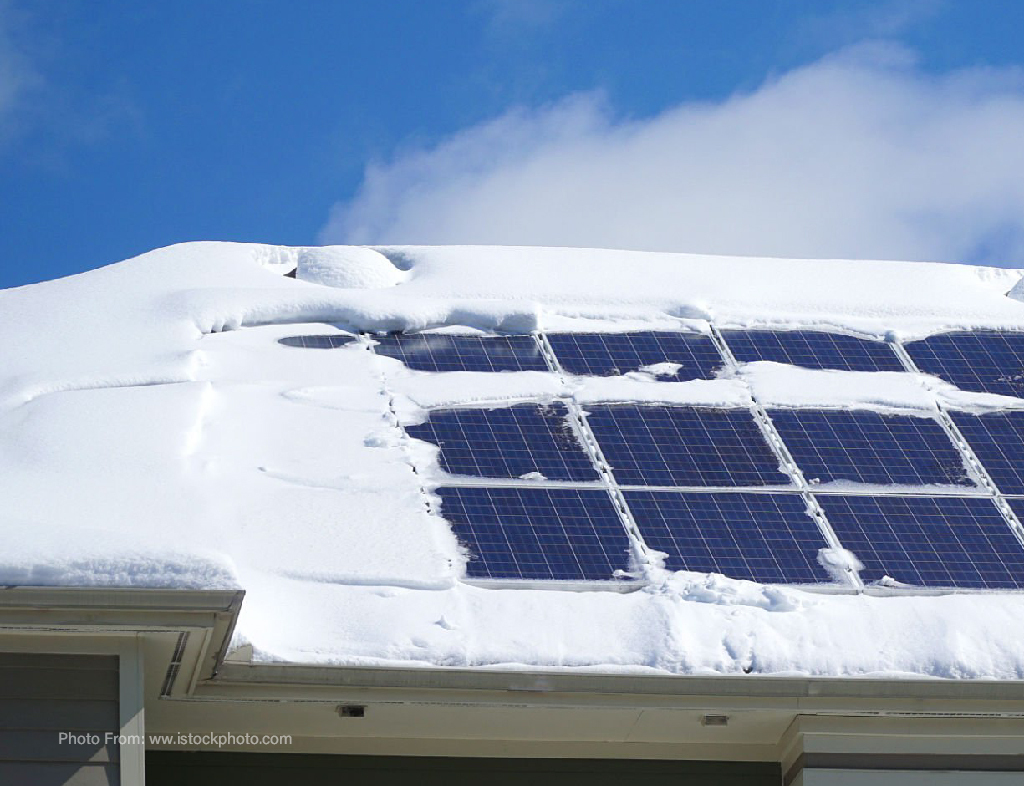
If you are planning to overpanel your system this winter, there are a few critical engineering rules that must be followed:
Understand the Amperage vs. Voltage Rule – MPPT controllers are designed to safely limit (clip) excess amperage. They will simply only draw what they can process. However, they cannot limit excess voltage. If your solar array’s Open Circuit Voltage (Voc) exceeds the controller’s maximum input limit, the controller will be permanently damaged.
Calculate the Winter Voltage Spike – Solar panels produce higher voltage in freezing temperatures. Because of the Temperature Coefficient of Voltage, a panel rated for 20V in the summer could easily spike to 22V or higher in freezing weather. You must calculate this winter spike to ensure your array remains under the MPPT's maximum voltage limit.
Check Series vs. Parallel Wiring – Wiring panels in series increases the total voltage, while wiring in parallel increases the total amperage. When overpaneling, systems often need to be wired in parallel (or series-parallel combinations) to keep the total voltage safe while increasing the wattage.
Verify System Safety and Fuses – Increasing the total amperage of your array means you may need to upgrade the gauge of your solar wiring and adjust your inline fuses to handle the increased current safely.
Review Warranty Limits – While overpaneling is an industry standard, most manufacturers specify an absolute maximum overpaneling limit, typically between 130% and 150% of the controller’s nominal capacity. Staying within these limits ensures your equipment remains protected.
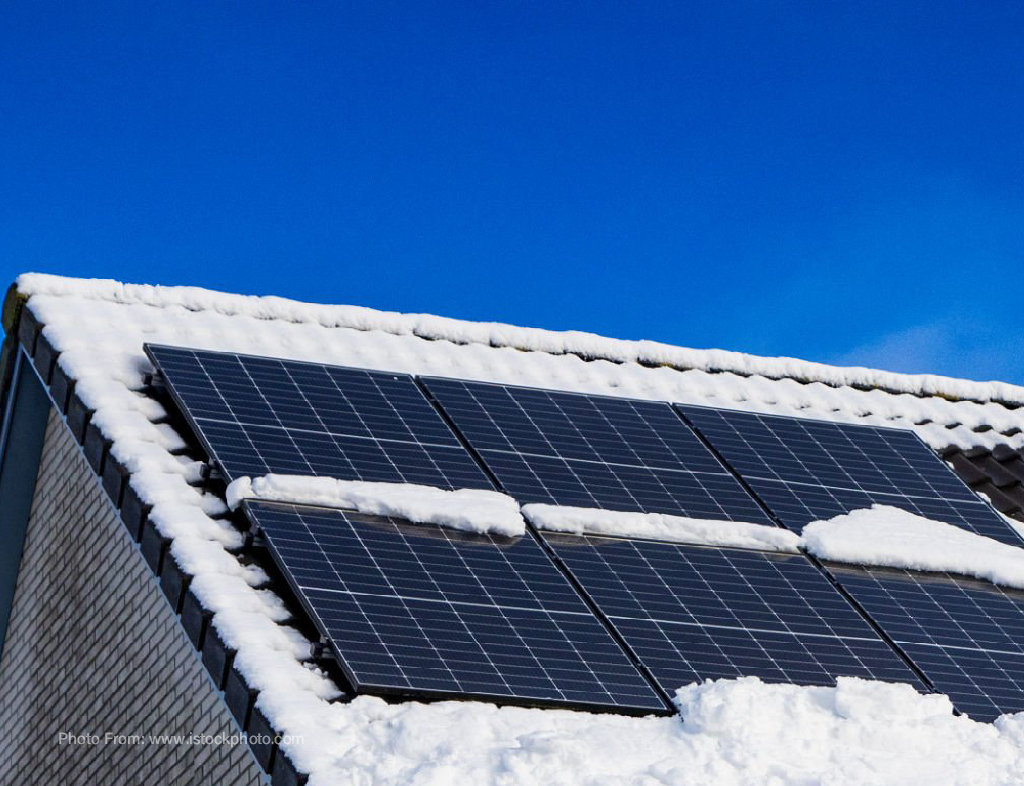
For many users—from residential DIY setups to commercial B2B telecom arrays—overpaneling is the most cost-effective way to secure reliable power year-round. It is about building a system designed for the worst days of the year, rather than just the best.
Whether you are preparing a mobile studio or an off-grid cabin for the winter, taking the time to calculate your voltage limits and intentionally size your array can keep your batteries healthy and your lights on when the days get shorter.