Marine Solar Systems 101: Keeping Your Boat Charged for the Last Weeks of Summer
29th Sep 2026
As boating season winds down, there are still plenty of reasons to spend time on the water. Whether you're taking a sailboat out for a weekend trip or keeping your boat ready for shorter day trips, having a reliable source of power can make the experience easier and more comfortable.
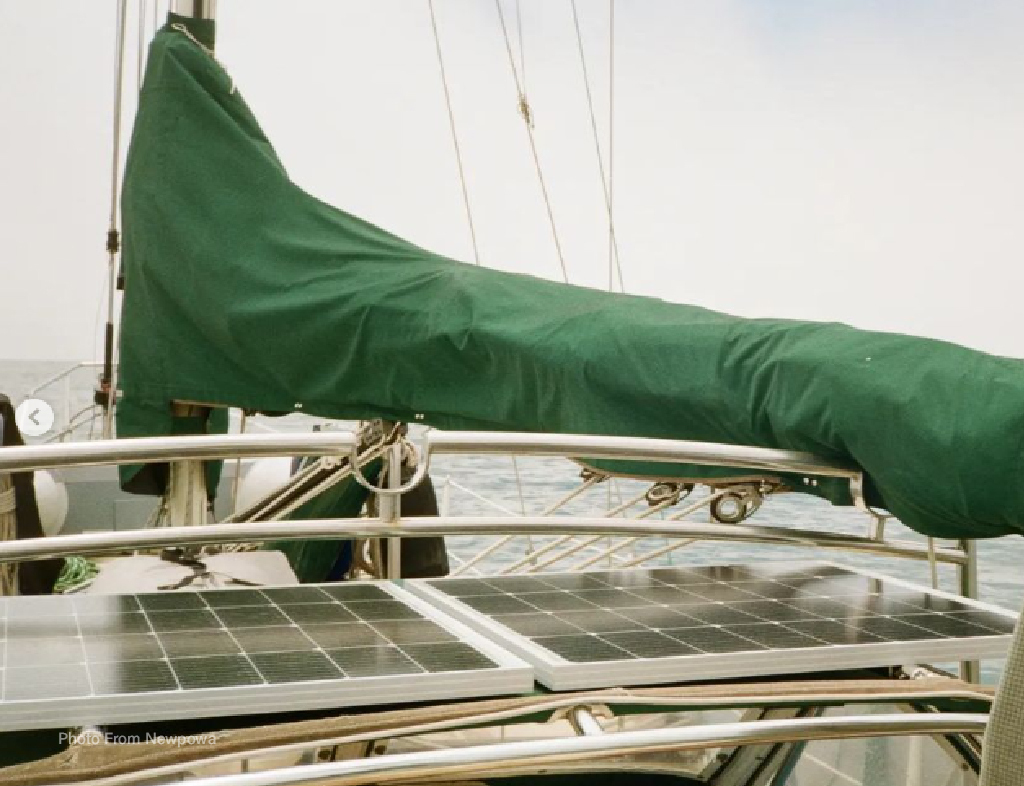
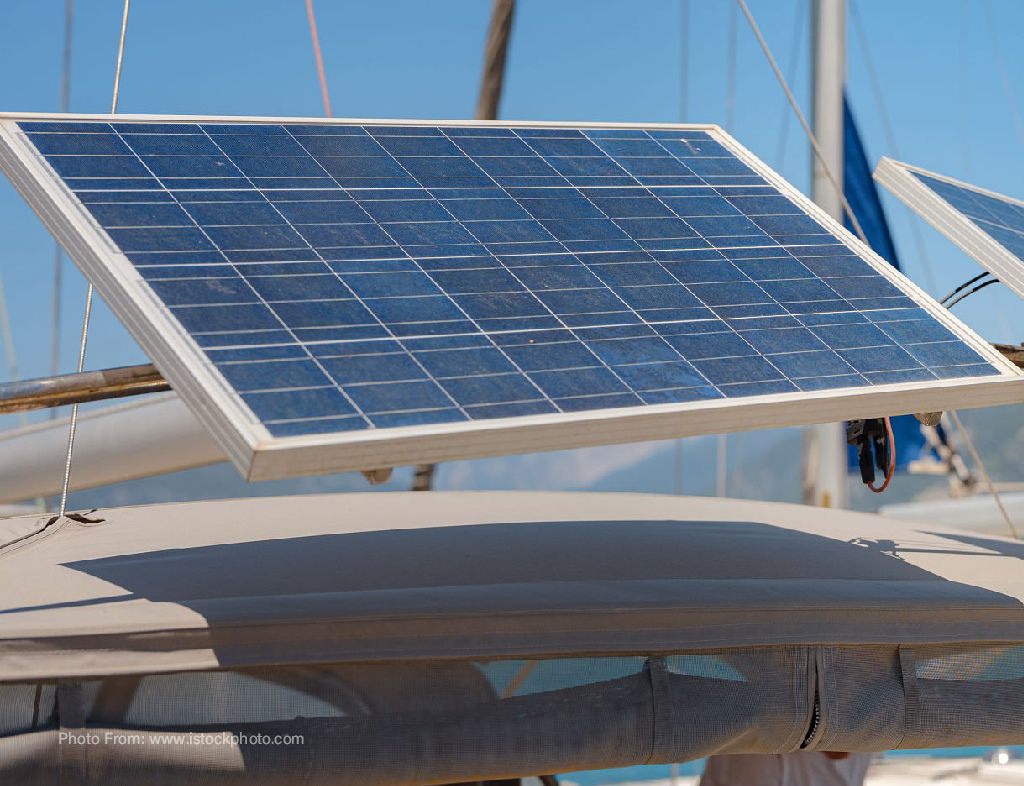
Marine solar panels can help keep your boat's battery charged while you're away from shore power. They can support everyday electrical needs such as lights, electronics, pumps, and other 12V equipment without requiring the engine or generator to run just to maintain the battery.
One of the biggest advantages of solar on a boat is consistent battery maintenance. A properly sized solar setup can continue supplying energy during the day while the boat is docked or anchored, helping offset standby loads and keeping the battery from sitting unused for long periods.
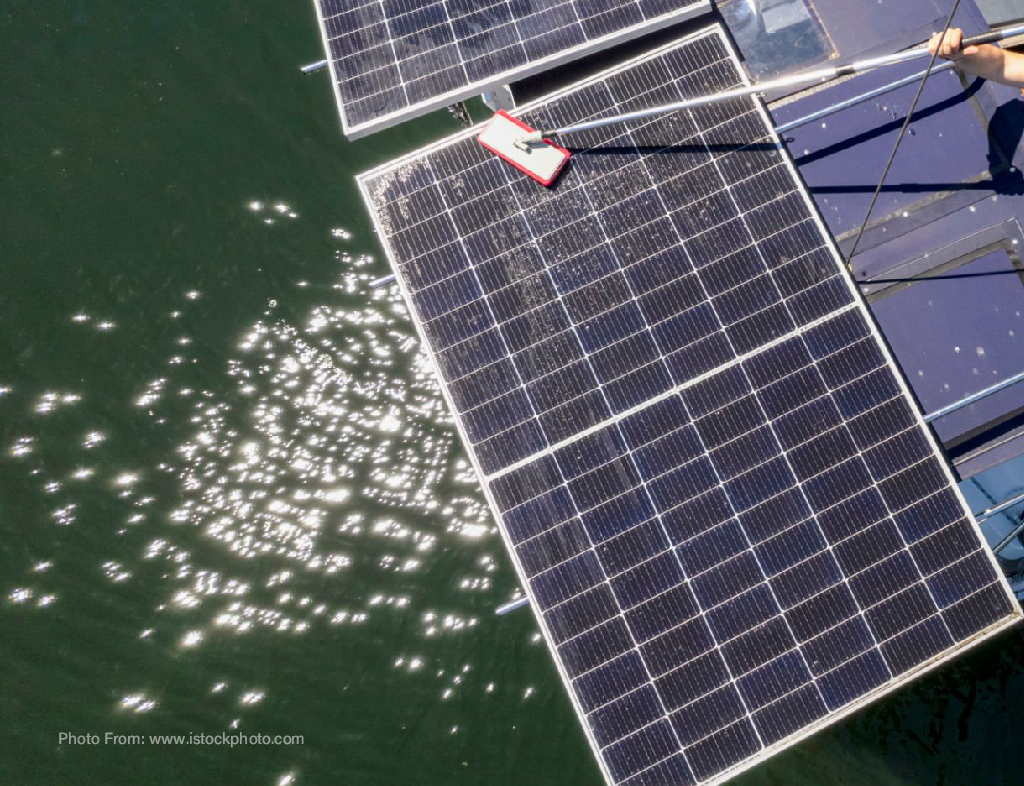
There are a few things to consider when choosing a marine solar setup:
Choose the right panel for your boat – Available mounting space can vary significantly between boats. Rigid panels can work well where there is a suitable flat mounting area, while flexible or semi-flexible panels can be useful when the available surface is curved or space is limited.
Consider the marine environment – Boats are exposed to moisture, salt air, vibration, and changing weather conditions. Solar components should be selected with the installation environment and long-term durability in mind.
Match the system to your battery – Consider your battery voltage, capacity, and typical daily energy use when choosing your solar panel and charge controller. A properly matched system can help make better use of the available sunlight.
Think about your onboard loads – Navigation equipment, lights, refrigerators, pumps, communication equipment, and other electronics can all contribute to battery consumption. Understanding your typical loads makes it easier to determine how much solar power you need.
Make the most of available space – Marine installations often have limited room for solar panels. Measure your available area before choosing a panel, and consider how shadows from masts, rails, cabins, and other equipment may affect solar production.
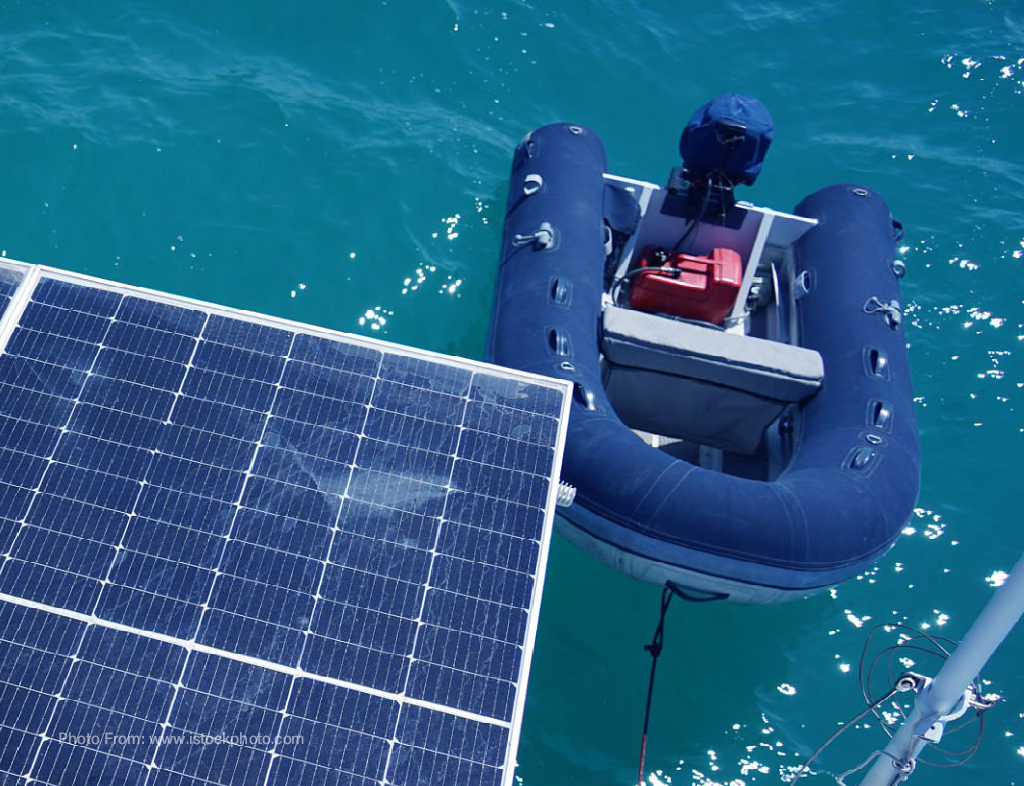
Solar isn't necessarily about replacing every other source of onboard power. For many boat owners, it can be a simple way to supplement existing charging methods and maintain battery power between trips.
As the summer boating season comes to an end, a well-planned marine solar system can help keep your batteries ready for the next adventure—and make it easier to enjoy time on the water without constantly thinking about where your next charge is coming from.