HOW SUMMER HEAT CHANGES OFF-GRID POWER USE
3rd Jun 2026
Summer usually feels like the easiest season for off-grid solar. The days are longer, the sun is stronger, and solar panels often have more hours to produce power. But stronger solar production does not always mean the system has less work to do. In many off-grid setups, summer also brings higher daily energy demand, especially when comfort, food storage, water use, and cooling become part of everyday power planning.
Fans, refrigeration, pumps, and small cooling devices can all change daily battery use. A fan may seem like a small load, but if it runs through a hot afternoon or overnight, the total energy use can add up quickly. Refrigeration is often even more important. A fridge or cooler cycles on and off, and in hot weather, it may cycle more often or run longer to keep the same internal temperature. Opening the door frequently, storing warm food or drinks, or placing the unit in a hot space can increase the workload. Water pumps can also become more active in summer, especially for rinsing, outdoor showers, gardening, cleaning, or remote site use. Small cooling devices, vent fans, and circulation fans may not look demanding individually, but together they can create a steady background load.
Heat can also make some equipment work harder or run less efficiently. Batteries, inverters, charge controllers, refrigerators, and other electronics may all be affected by high temperatures. Some devices may need better airflow to stay within a safe operating range, while refrigeration equipment may run longer simply because the surrounding air is hotter. Solar panels can still produce well in summer, but high panel temperatures may reduce efficiency compared with cooler, bright conditions. This means a system may be receiving more sunlight while still facing heavier demand and less ideal operating conditions. 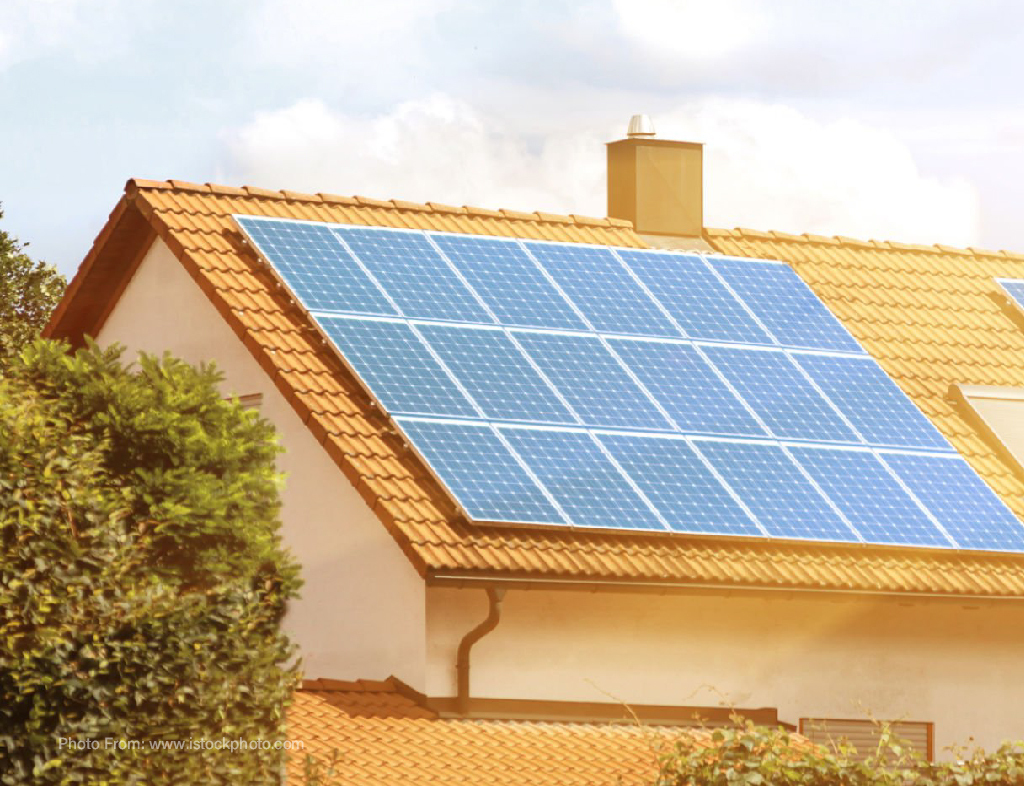
That is why longer daylight should not be treated as a complete solution. A summer off-grid system still needs to support daytime loads, carry enough battery capacity into the evening, and leave room for cloudy stretches, high-demand weekends, or heavier overnight use. Planning should focus on how long devices run, when they run, and how much reserve is needed after sunset, not just the wattage label on each device. Keep heat-sensitive equipment shaded and ventilated when possible, estimate real daily usage, and avoid assuming every sunny day will fully recharge the system. With realistic planning, summer solar can be a strong advantage, but it still needs to be matched with the way power is actually used.