
HOW LIFESTYLE CHANGES GRADUALLY RESHAPE SOLAR POWER NEEDS
13th May 2026
Off-grid solar systems are often planned around current needs, but real-life power use rarely stays fixed for long. What begins as a simple setup for a few lights, device charging, and a small appliance can gradually shift as routines change, equipment is added, and expectations grow. In many cases, the biggest changes do not happen all at once. They happen little by little, which is exactly why they are easy to overlook.
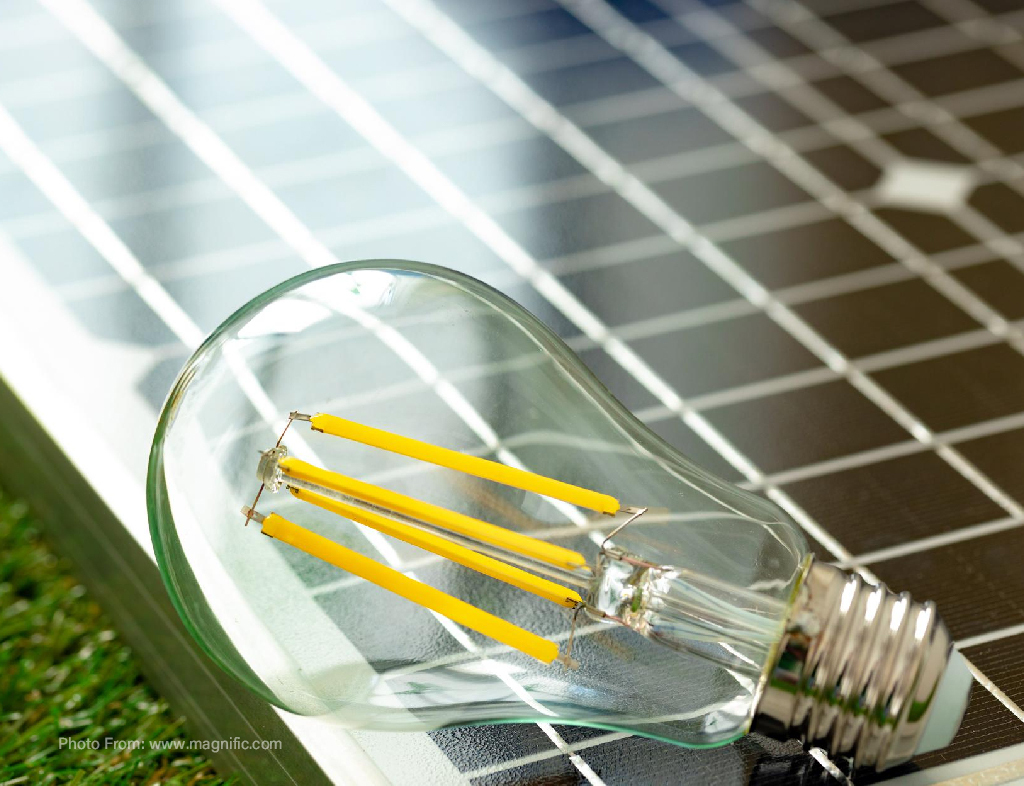
One of the most common reasons solar demand rises over time is the gradual addition of devices. A system may start with only the essentials, then expand to support fans, a portable fridge, a stronger water pump, better lighting, communication equipment, or entertainment devices. Each new item may seem minor on its own, but together they can place much more strain on the system than the original design allowed for. This is especially common in off-grid settings where people become more comfortable with solar and begin relying on it for a larger share of daily life.
Power needs also change when usage patterns shift. A device that was only used occasionally may become part of the daily routine. Charging a laptop once in a while is very different from working remotely every day. A fan used during hot afternoons may turn into an overnight load during warmer months. Even without adding entirely new equipment, longer run times and more frequent use can quietly increase overall energy demand and put more pressure on the batteries.
Seasonal changes and everyday habits can push this even further. Winter often brings shorter daylight hours and reduced solar production, while some loads may increase at the same time. In warmer seasons, cooling devices may run longer. Travel habits, work schedules, and even weekend routines can all affect when and how power is used. Some households and mobile setups see very different demand profiles depending on the time of year, occupancy, or weather conditions. A system that feels well balanced in one season may feel much tighter in another.
That is why flexibility matters so much in off-grid system design. Instead of sizing only for today’s exact load list, it is often smarter to leave room for gradual change. That can mean choosing components that support future expansion, allowing extra solar input capacity, using system voltages that make scaling easier, and leaving physical space for more panels or battery storage later. The goal is not to overspend on unnecessary capacity from the start, but to avoid creating a system that becomes difficult or expensive to adapt.
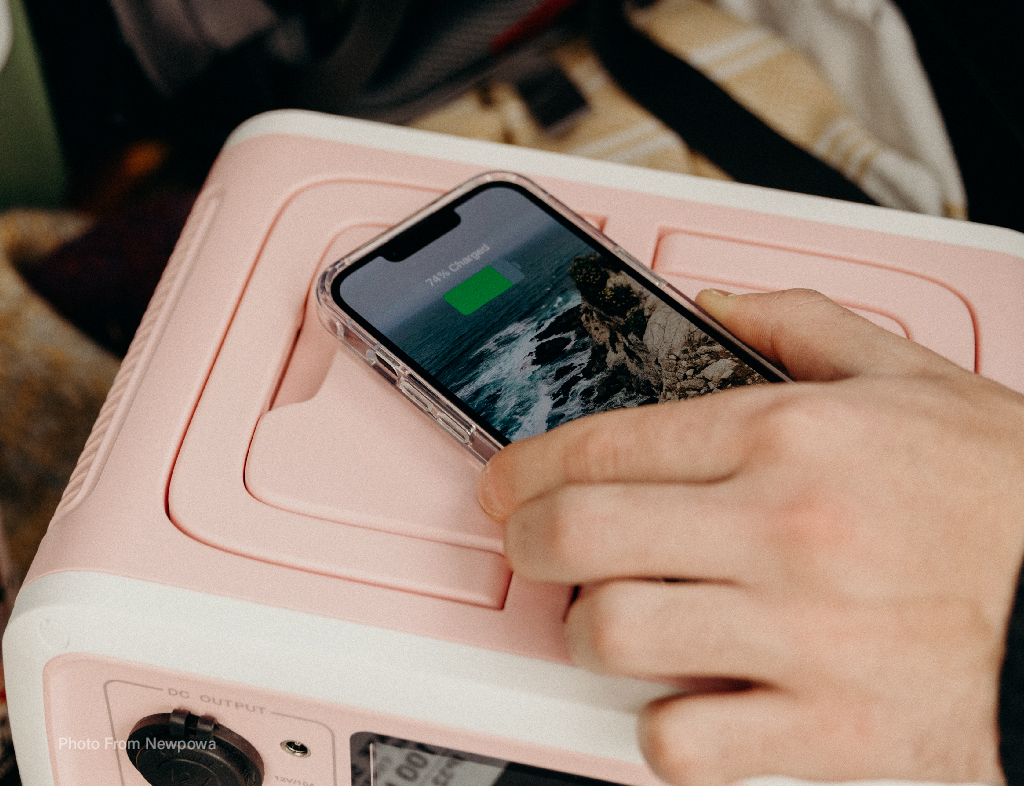
Off-grid solar works best when it is designed with real life in mind. People’s routines change, equipment changes, and expectations change. A system that can flex with those changes is usually more practical, more reliable, and better suited for the way off-grid living actually evolves over time.