Fall Solar Prep: How Shorter Days Affect Your Off-Grid Battery
23rd Sep 2026
As summer comes to an end, off-grid solar users have another seasonal change to prepare for. Shorter days mean fewer hours of sunlight, while cooler weather and longer nights can increase the amount of energy you use. For RVs, cabins, boats, and other off-grid systems, this can make battery capacity more important as fall approaches.
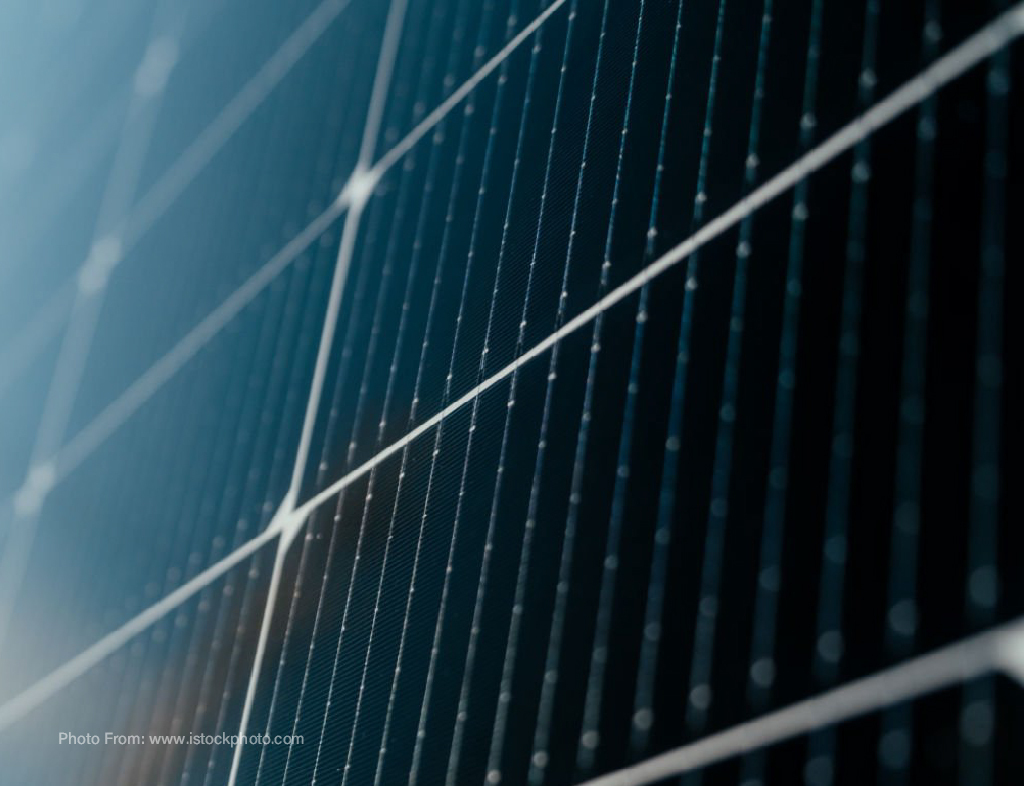
Your solar panels may still be working normally, but the amount of energy they can produce each day can change with the season. This means a system that had plenty of energy during the long days of summer may need a little more planning in the fall.
One of the first things to consider is your daily energy use. Lights, refrigerators, fans, electronics, pumps, and other equipment can continue drawing power after the sun goes down. As daylight hours decrease, your battery needs to cover a larger portion of your daily energy demand between charging periods.
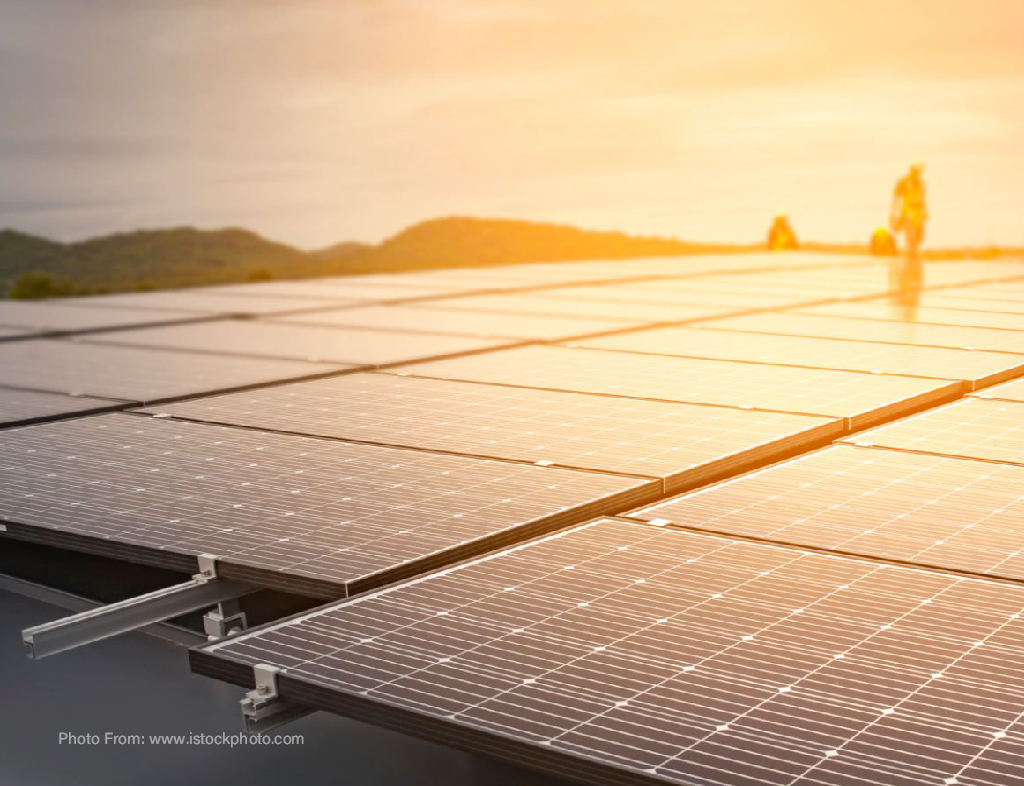
A few things can help when preparing your system for fall:
Consider available sunlight – Shorter daylight hours can reduce the time available for your solar panels to recharge the battery. Panel positioning and shading become even more important as the sun moves lower in the sky.
Review your battery capacity – A larger battery can provide more stored energy for nighttime use and periods when solar production is limited. Make sure your battery capacity matches your actual energy requirements.
Look at your daily power consumption – Identify which appliances and devices use the most energy. Reducing unnecessary loads can help your existing solar and battery system go further.
Plan for changing weather – Cloudy or rainy fall days can further reduce solar production. Having enough battery storage can give your system more flexibility when several lower-production days occur.
Check your overall system balance – Solar panels, batteries, charge controllers, and other components need to work together. Adding battery capacity without considering your available charging power may not solve the problem by itself.
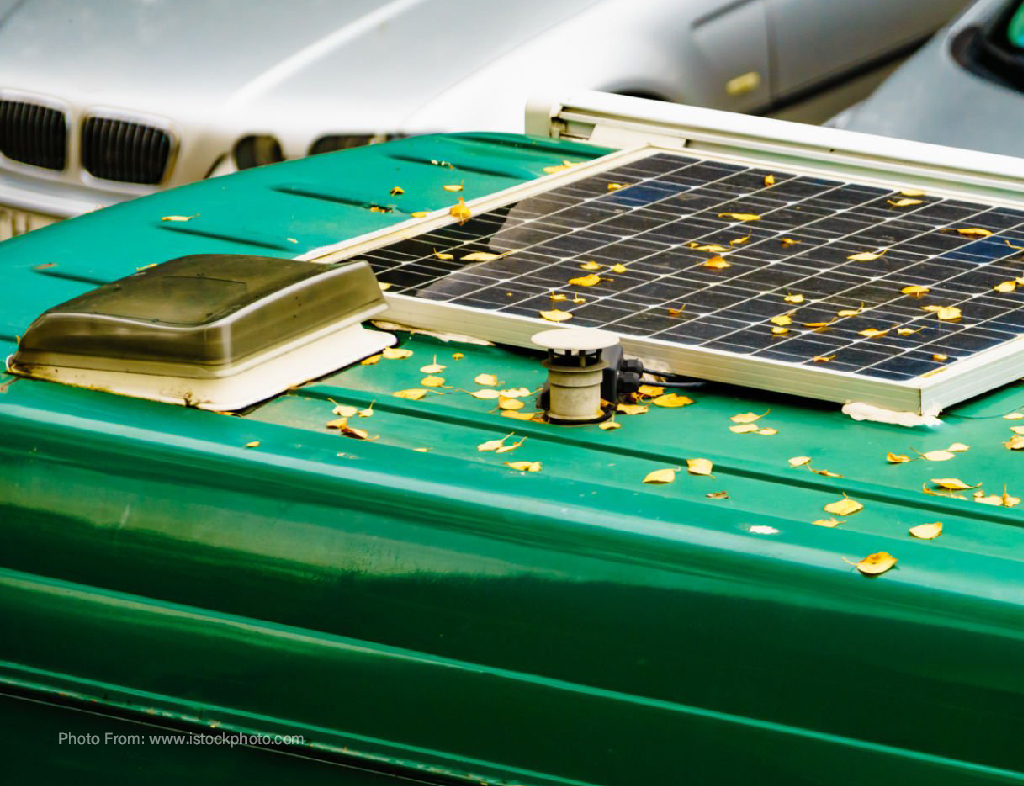
For many off-grid users, preparing for fall doesn't necessarily mean replacing the entire solar system. It may simply mean reviewing your energy needs, checking your battery capacity, and making sure your panels can take advantage of the available sunlight.
Whether you're preparing an RV for cooler-weather camping, maintaining an off-grid cabin, or keeping a remote system running through the changing seasons, a little planning can help keep your power system ready when the days get shorter.