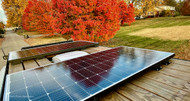
Fall RV Solar: How Shorter Days Change Your Off-Grid Power Plan
13th Sep 2026
As summer comes to an end, many RV owners continue traveling well into the fall. Cooler temperatures, quieter campgrounds, and changing scenery make September and October popular months for road trips and boondocking.
But fall also changes the way an RV solar system performs.
The days become shorter, the sun sits lower in the sky, and cloudy or rainy weather can become more common in many areas. At the same time, cooler evenings may mean more lighting, heating, cooking, and entertainment after sunset.
A solar system that performed comfortably during the long days of summer may therefore require a little more planning in the fall.
Shorter daylight means less time for solar production
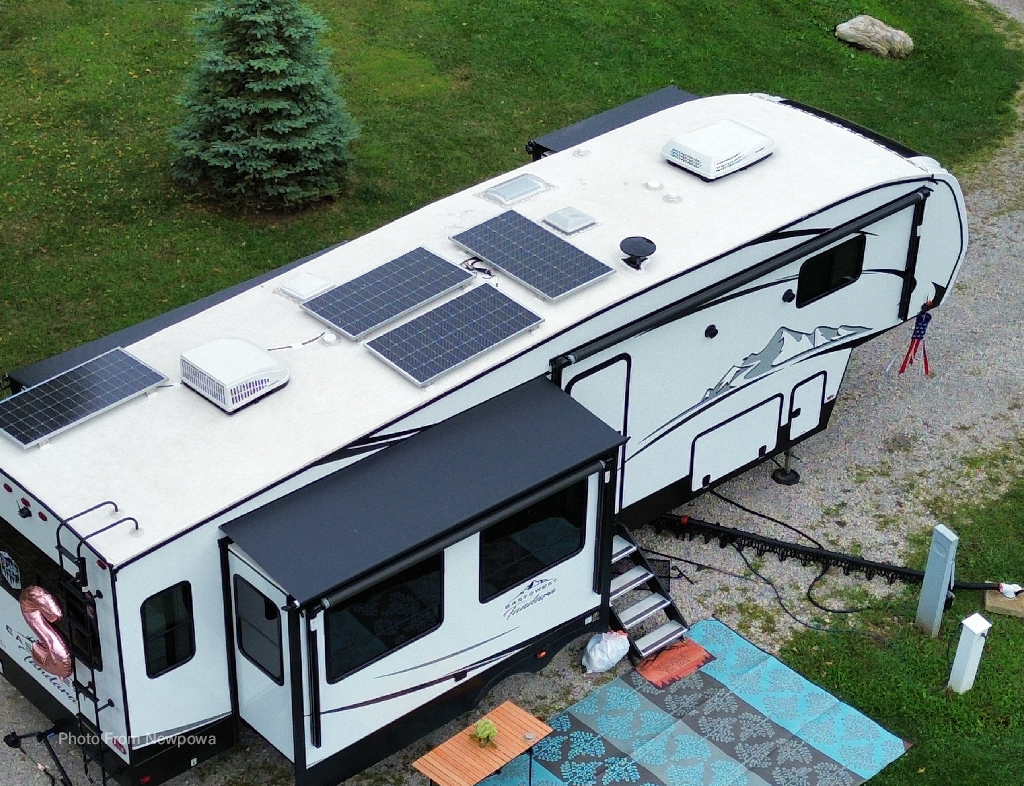
Solar panels do not stop working when summer ends, but the available production window can become shorter.
During the summer, an RV may have many hours of useful sunlight. As fall approaches, sunrise comes later and sunset arrives earlier. The sun's lower position can also affect the amount of energy a panel produces throughout the day.
This does not necessarily mean you need to replace your solar panels. Instead, it is important to understand how much energy your system can realistically produce under changing conditions.
If your daily electricity consumption remains the same while solar production decreases, your battery will need to make up the difference.
Know how much energy you actually use
Before making changes to your system, look at your actual energy consumption.
Common RV loads include:
- Refrigerator
- LED lighting
- Water pump
- Fans
- Phones and tablets
- Laptops
- Television
- Wi-Fi equipment
- Inverters
- Small kitchen appliances
Individually, many of these devices use relatively little power. Together, however, they can create a significant daily load.
Keeping track of your battery monitor or solar controller readings can help you understand how much energy you're using compared with how much your panels are producing.
Your battery becomes more important
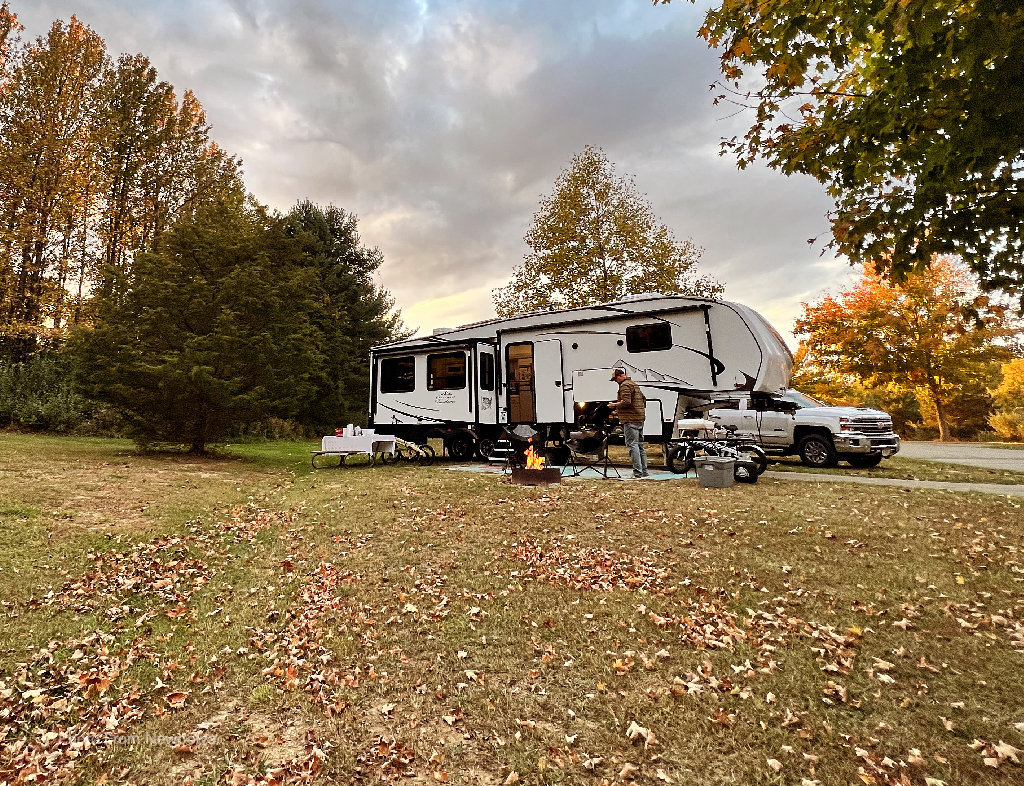
Solar panels provide energy during the day, while your battery provides energy whenever your panels aren't producing enough.
This becomes especially important during fall camping.
If solar production is lower on a cloudy day, you may finish the day with less energy stored in the battery. If the next day is also cloudy, the battery can continue to decline.
Leaving some reserve capacity instead of regularly using your battery down to its limit gives you more flexibility when weather conditions change.
Use the middle of the day wisely
One of the easiest ways to improve an off-grid system is to match your energy usage with solar production.
Whenever possible, use larger electrical loads while the sun is available.
For example, you can:
Charge portable power stations and electronics during the day.
Run appliances that can be scheduled while solar production is strongest.
Use your inverter strategically instead of leaving it running unnecessarily overnight.
Avoid waiting until evening to charge multiple devices.
Using solar energy directly during the day reduces the amount of energy that needs to pass through the battery.
Pay attention to parking location
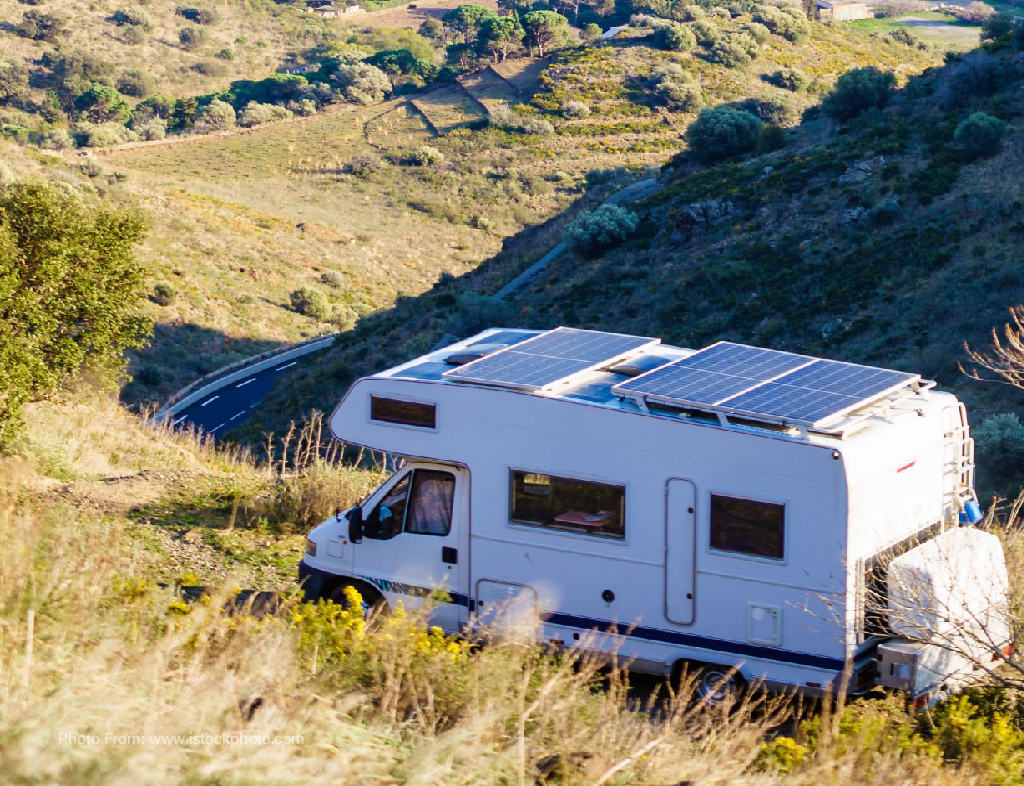
Where you park can have a major impact on solar production.
Fall camping often means more trees and changing sunlight throughout the day. A location that looks sunny in the morning may become shaded later in the afternoon.
Before settling into a campsite, consider how sunlight will move across the area during the day.
For portable panels, you have more flexibility because the panels can be positioned away from the RV and placed where they receive better sunlight.
For roof-mounted systems, parking location becomes even more important because the panels cannot easily be moved after you arrive.
Don't forget about maintenance
Fall is also a good time to inspect your RV solar system.
Check for:
- Dirt, leaves, and debris on the panels
- Loose mounting hardware
- Damaged cables
- Worn connectors
- Signs of corrosion
- Unusual battery behavior
- Solar controller error messages
A clean and properly maintained system has a better chance of performing consistently when conditions become less predictable.
A little extra capacity can make a difference
If you regularly camp during periods of shorter daylight or cloudy weather, additional solar capacity or battery storage may improve your experience.
Adding more panels can increase the amount of energy collected during the day, while additional battery capacity can provide more reserve for periods when solar production is limited.
The right solution depends on your existing system, daily energy consumption, battery capacity, and camping habits.
There is no single solar configuration that works for every RV.
Fall doesn't mean the end of solar camping
In many ways, fall is an excellent time to travel off-grid.
The temperatures are more comfortable, popular destinations can be less crowded, and a properly planned solar system can continue providing reliable power without campground hookups.
The key is understanding that your energy balance changes with the seasons.
With shorter days and less predictable weather, monitoring your system, managing daily loads, and maintaining enough battery reserve can help keep your RV powered throughout the trip.
Solar doesn't have to stop when summer does. With the right planning, your RV can stay off-grid well into the fall.