Designing an Off-Grid Setup for Weekend Trips
8th Jul 2026
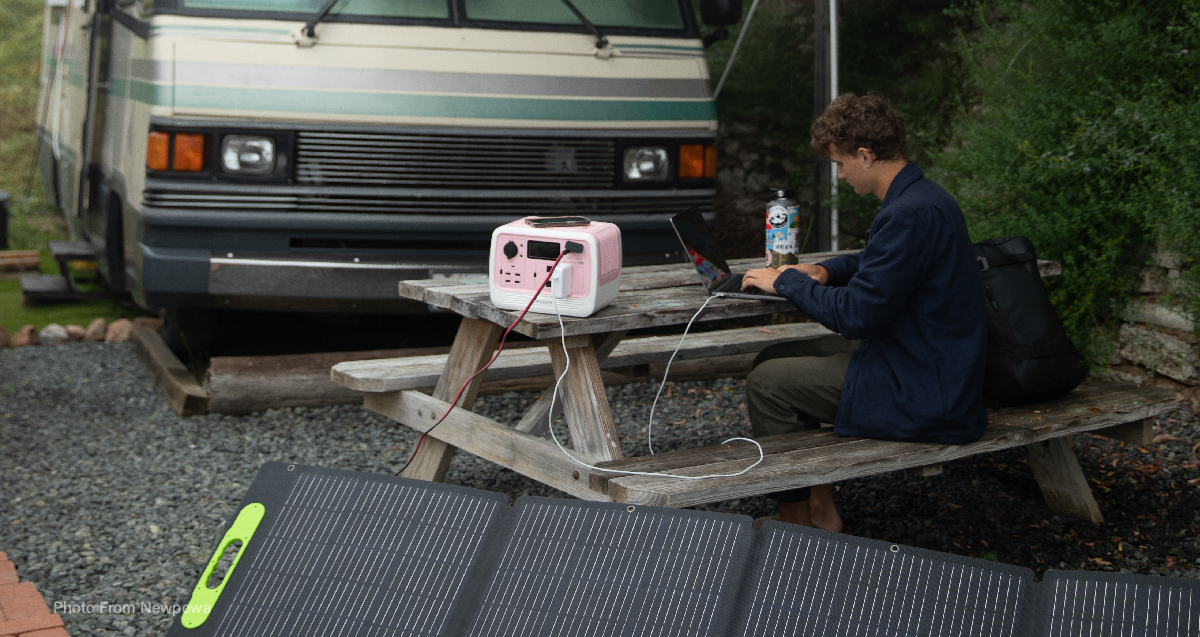
Designing an off-grid setup for weekend trips is different from building a system for full-time off-grid living. A weekend system does not always need to support every daily comfort for weeks at a time, but it does need to be dependable during a short window when convenience matters most. Whether the setup is for an RV, cabin, boat, campsite, or small remote getaway, the goal is usually to keep essential devices running without making the system harder to transport, install, or manage than necessary. Short trips often have a different power pattern. Instead of steady long-term use, many weekend setups see concentrated demand over two or three days. Power may be needed immediately upon arrival for lights, fans, refrigeration, water pumps, device charging, or small cooking support. Because the trip is short, there may not be much time to recover from poor planning. If the battery is low at the start, or if important loads are underestimated, the system may feel undersized even if the solar panel could normally keep up over a longer period.
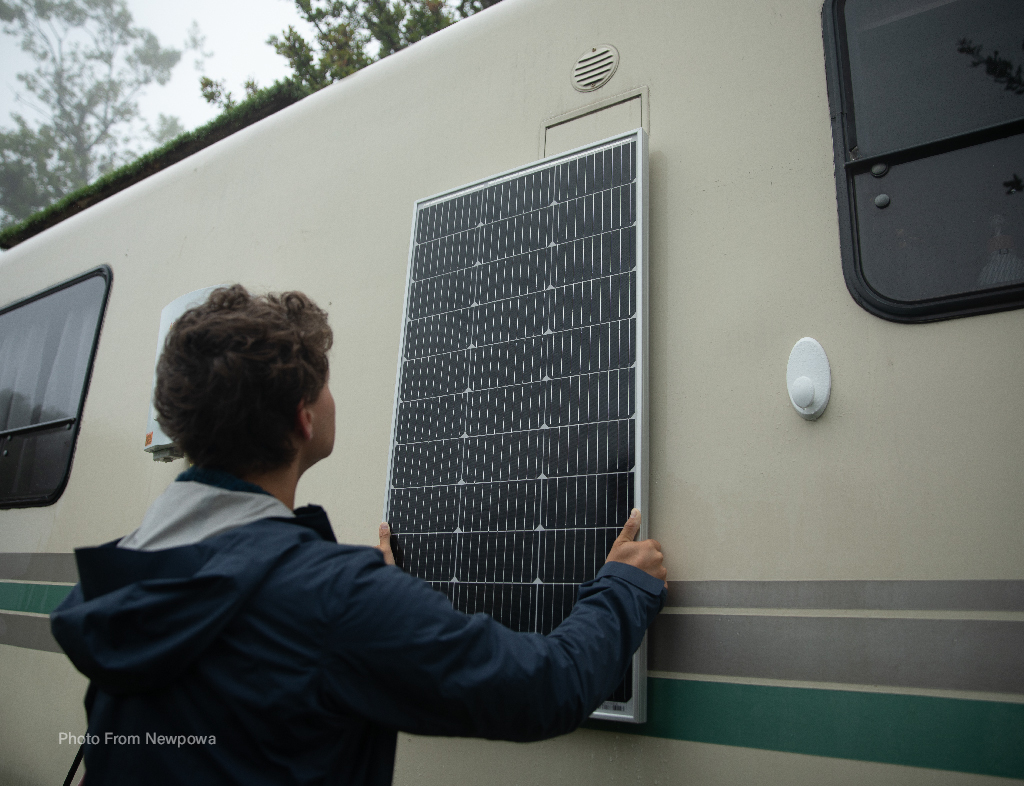
Charging before departure is one of the simplest ways to improve weekend reliability. Starting with a full battery gives the system a stronger reserve before solar production begins at the destination. This is especially helpful when arriving late in the day, parking in shade, or setting up during cloudy weather. Arrival-time usage also matters. Many people start using power right away for lighting, charging phones, cooling drinks, running fans, or preparing food. If most of that use happens before the solar panel has produced much energy, the battery must carry the load. Overnight loads are another key part of weekend planning. Even small devices can become important when they run for many hours without solar input. A compact refrigerator, ventilation fan, security light, router, sensor, or charging device may not seem like a heavy load during the day, but overnight use can quietly reduce battery reserve. Planning for nighttime power helps prevent waking up to a low battery before the next day’s sunlight has a chance to recharge the system.
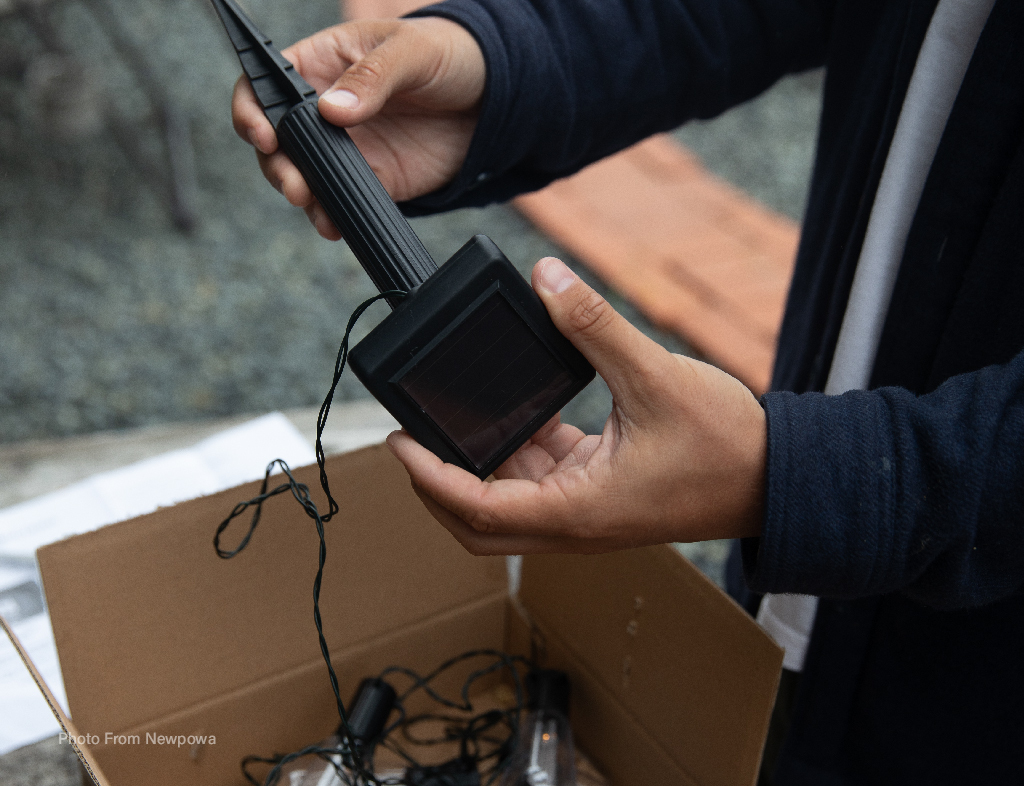
A practical weekend setup should begin with the essentials. Lights are usually low demand but important for safety and comfort. Fans can run for long periods in warm weather and should be included in daily usage estimates. Refrigeration is often one of the most important loads because it cycles throughout the day and night. Cooking support may include small DC appliances, an ignition system, a pump, or brief inverter use, depending on the setup. Device charging is usually modest, but phones, tablets, cameras, and portable electronics can add up when several people are using the same system. Looking at each load by how long it runs, not just how much power it uses at one moment, gives a more realistic picture of weekend energy needs.
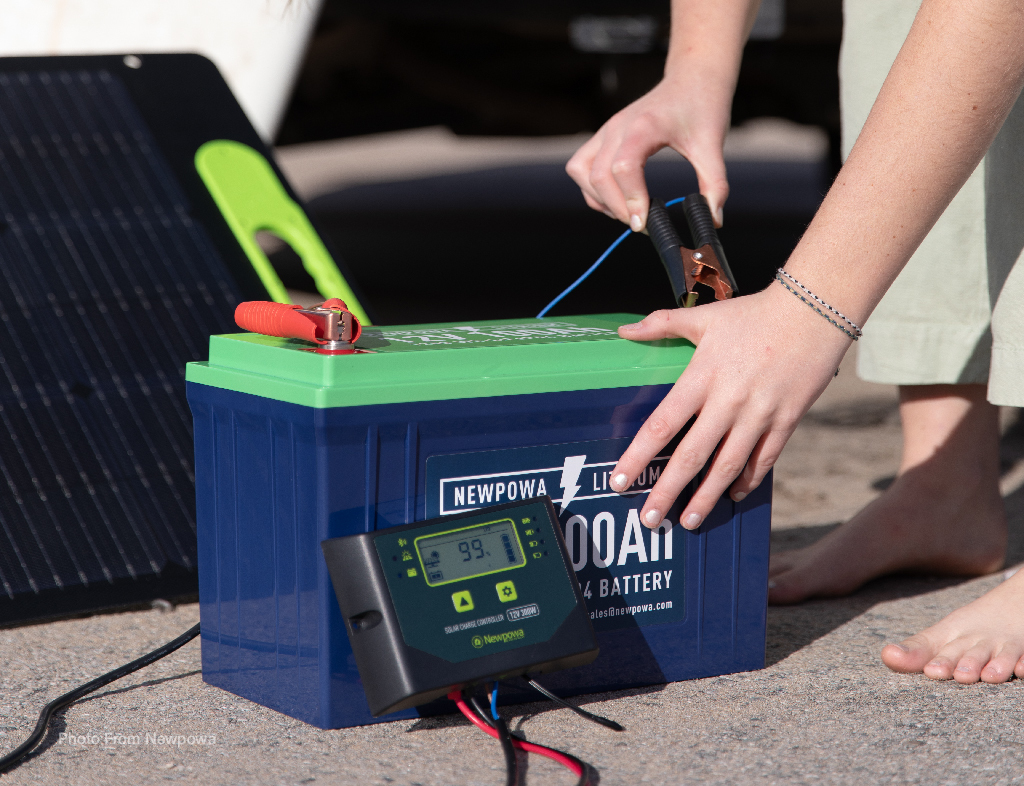
For weekend use, simplicity can be more valuable than maximum system size. A large system may provide more capacity, but it can also be heavier, harder to position, slower to connect, and more complicated to troubleshoot. Many short-trip users benefit from a setup that is easy to pack, quick to deploy, and simple to monitor. A system that can be set up confidently in a few minutes is often more useful than one that offers extra capacity but creates unnecessary work. The best off-grid weekend setup balances battery reserve, solar input, and realistic usage. By charging before leaving, accounting for arrival and overnight loads, and focusing on the devices that matter most, it is possible to create a system that supports comfort without overcomplicating the trip. For weekend travel, good design is not always about building the biggest system. It is about having the right amount of power ready when and where it is needed.