
Building a Smart Energy Ecosystem: Integrating PV, Storage, and App-Connected Monitoring
2nd Nov 2026
For years, off-grid solar systems were built and managed as a collection of isolated components. You had solar panels on the roof, a charge controller mounted on a wall, a battery bank tucked away in a compartment, and an inverter running your loads. Checking your system's performance often meant grabbing a multimeter, squeezing into tight storage spaces, or relying on basic, hardwired LED displays that provided little more than a rough battery voltage reading.
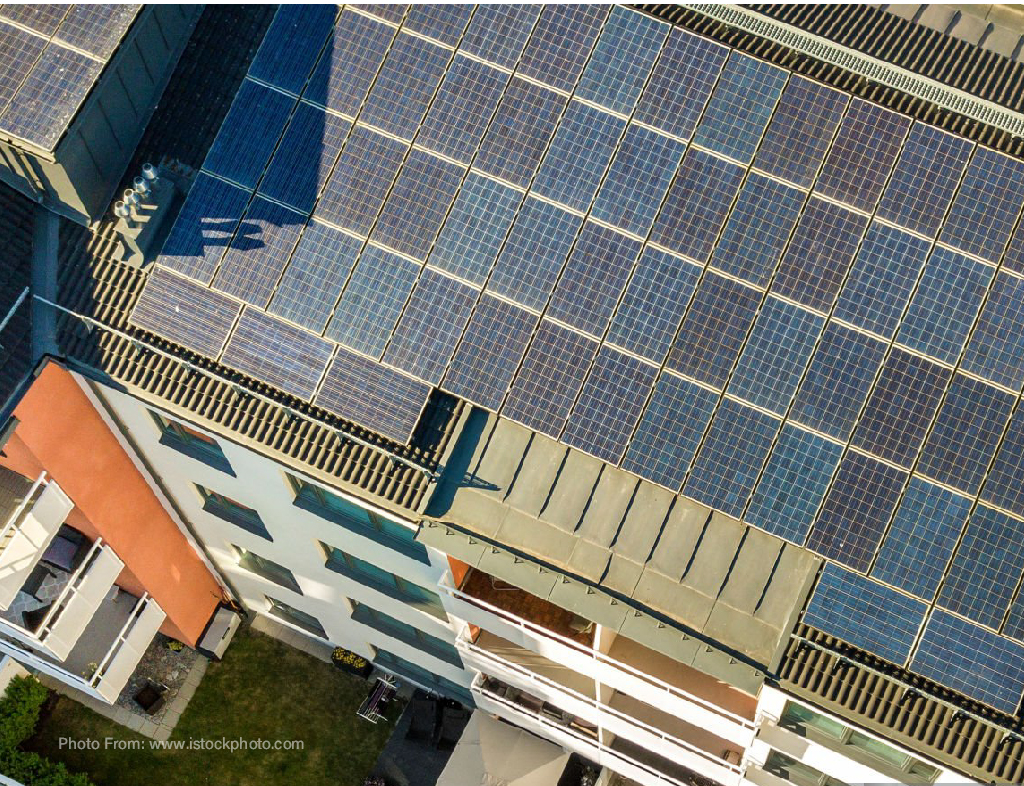
As off-grid power demands grow—whether running heavy production equipment in a mobile rig, powering continuous residential loads, or managing commercial B2B installations—relying on passive guesswork is no longer sufficient. Modern off-grid solar is shifting toward fully integrated, smart energy ecosystems where your PV array, MPPT charge controller, lithium battery storage, and monitoring platforms communicate seamlessly in real time.
What Makes a Solar System a "Smart Ecosystem"?
A smart energy ecosystem connects every stage of off-grid power—generation, regulation, storage, and consumption—into a unified data network. Instead of viewing components as separate hardware pieces, smart architecture links them using built-in Bluetooth communication modules, CAN bus connections, or centralized app platforms.
- The Generation Stage (PV Array): High-efficiency solar panels gather solar irradiance and transmit variable DC voltage to the system.
- The Intelligence Center (MPPT Controller): The charge controller tracks maximum power points, converts voltage efficiently, and communicates real-time input metrics (voltage, current, and total daily watt-hours generated).
- The Energy Reservoir (Smart Lithium Battery Bank): High-density LiFePO4 batteries equipped with intelligent Battery Management Systems (BMS) actively monitor cell balance, temperature, state of charge (SOC), and cycle counts.
- The Communication Bridge (App & Gateway): Bluetooth transceivers transmit granular diagnostic data directly to your smartphone, tablet, or central dashboard.

Key Advantages of an Integrated Smart System
Moving to an app-connected, smart energy architecture provides significant operational benefits for both everyday DIY off-grid users and commercial fleet managers:
Real-Time Performance Diagnostics – Instantly view incoming solar wattage, real-time operating voltage, charging stages (Bulk, Absorption, Float), and battery State of Charge (SOC) directly from your mobile device. There is no need to manually calculate remaining capacity based on resting voltage curves.
Early Fault & Shading Identification – Quickly detect partial panel shading, unexpected voltage drops, thermal throttling, or loose wiring connections before they lead to system shutdowns. An unexpected drop in panel amperage on a sunny day immediately alerts you to clean panels or clear obstructions.
Smarter Energy Budgeting & Load Management – By tracking historical daily generation patterns alongside current battery state-of-charge, you can make informed decisions about appliance usage. On heavy overcast days, real-time data helps you adjust high-draw loads—such as air conditioning, power tools, or refrigeration—to prevent premature battery depletion.
Simplified Fleet & Remote Site Management – For commercial operators, agricultural installations, and B2B equipment deployments, smart monitoring reduces physical maintenance checks. Technicians can perform complete system health audits from outside an enclosure or vehicle, reducing downtime and labor costs.
Extended Hardware Lifespan – Lithium battery storage represents a significant investment. Integrated smart monitoring ensures your battery bank operates strictly within safe temperature and voltage thresholds, preventing deep discharge events and thermal stress that cause premature degradation.
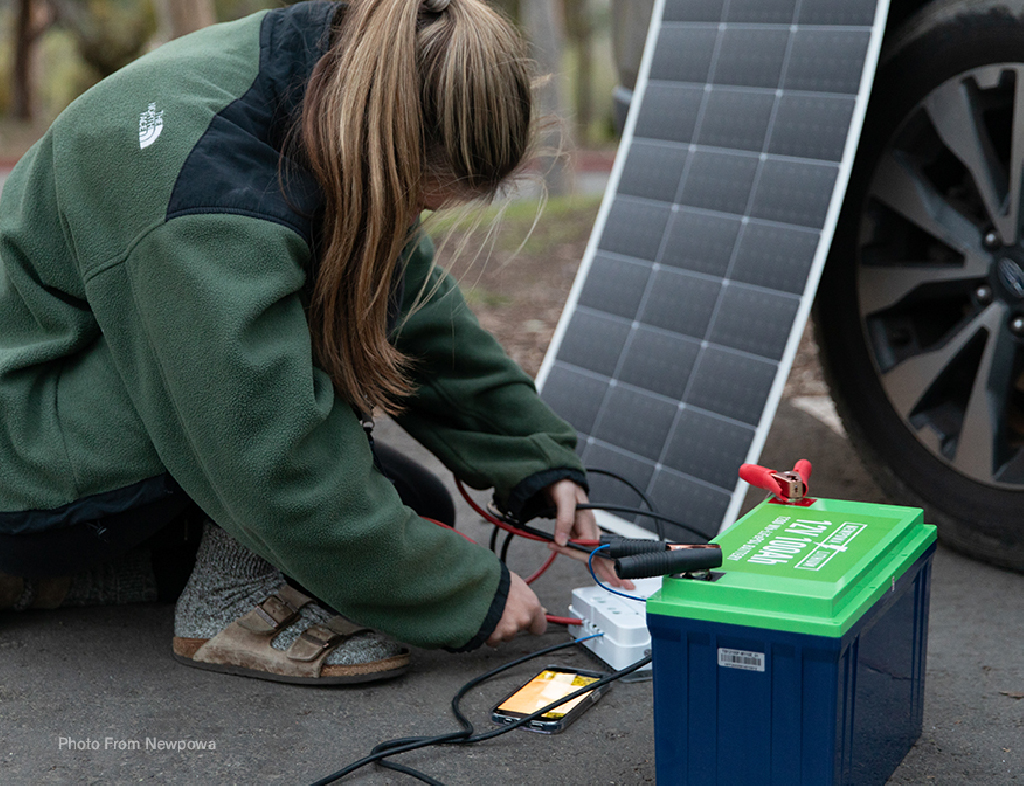
How to Plan Your Smart System Upgrade
Building an integrated ecosystem doesn't necessarily require replacing your entire off-grid setup at once. When upgrading your system, focus on establishing a clear communication path between your core components:
Select MPPT Controllers with Smart Connectivity: Ensure your charge controller includes built-in Bluetooth or supports external communication dongles capable of logging daily yield data.
Pair with Smart Lithium Storage: Upgrade to LiFePO4 batteries featuring integrated BMS communication so your state-of-charge reporting is based on actual amp-hour counting rather than simple voltage estimates.
Match System Balance: Verify that your PV generation capacity matches your battery bank's maximum charge acceptance rate, allowing your smart controller to optimize bulk charging speed without stressing the batteries.

Whether you are outfitting an RV for extended off-grid travel, building a mobile workstation, or managing a network of commercial remote power stations, converting your setup into a smart energy ecosystem provides complete control, maximum efficiency, and total peace of mind.
smart solar solar app monitoring off-grid solar bluetooth charge controller Off-Grid Solar Solar Batteries Battery Storage RV Solar Cabin Solar Boat & Marine Solar B2B Solar DIY Solar SmartEnergy SolarDiagnostics