Back-to-School Off-Grid: Staying Connected with Solar and Starlink
20th Aug 2026
The traditional school year doesn't always begin in a traditional classroom anymore. Many families now travel full-time in RVs, remote workers continue to operate from the road, and more people are combining work, education, and travel into the same lifestyle. Reliable internet has become just as important as reliable electricity, especially when video meetings, online classes, and cloud-based work are part of everyday life.
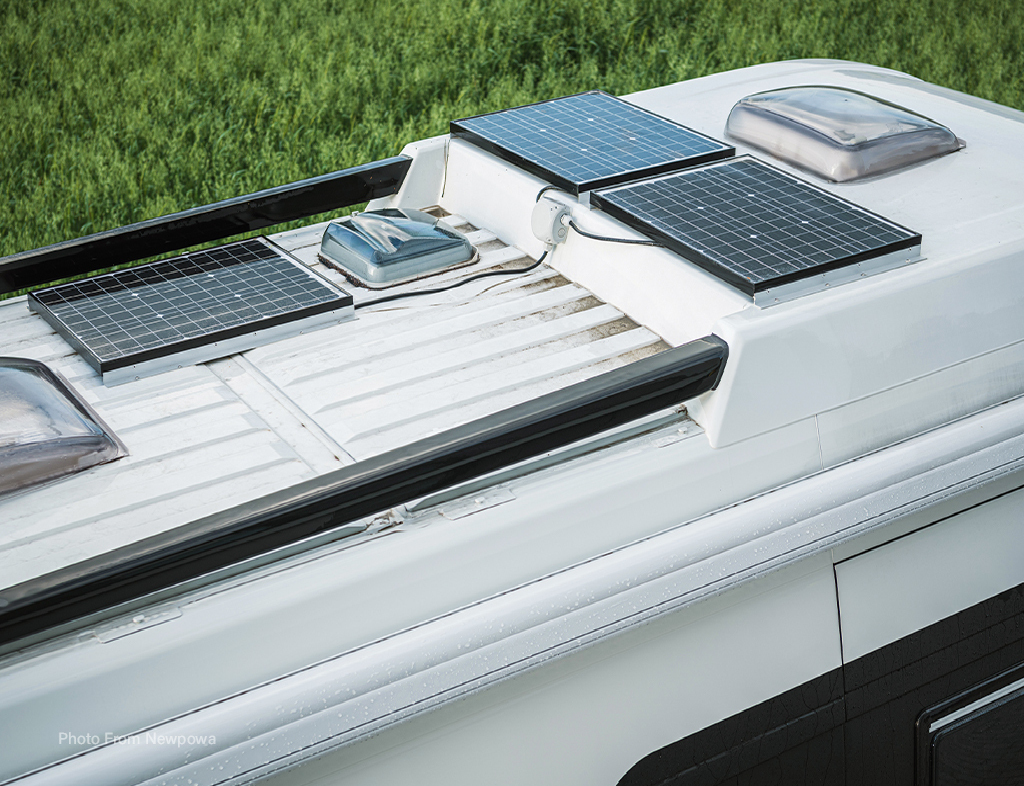
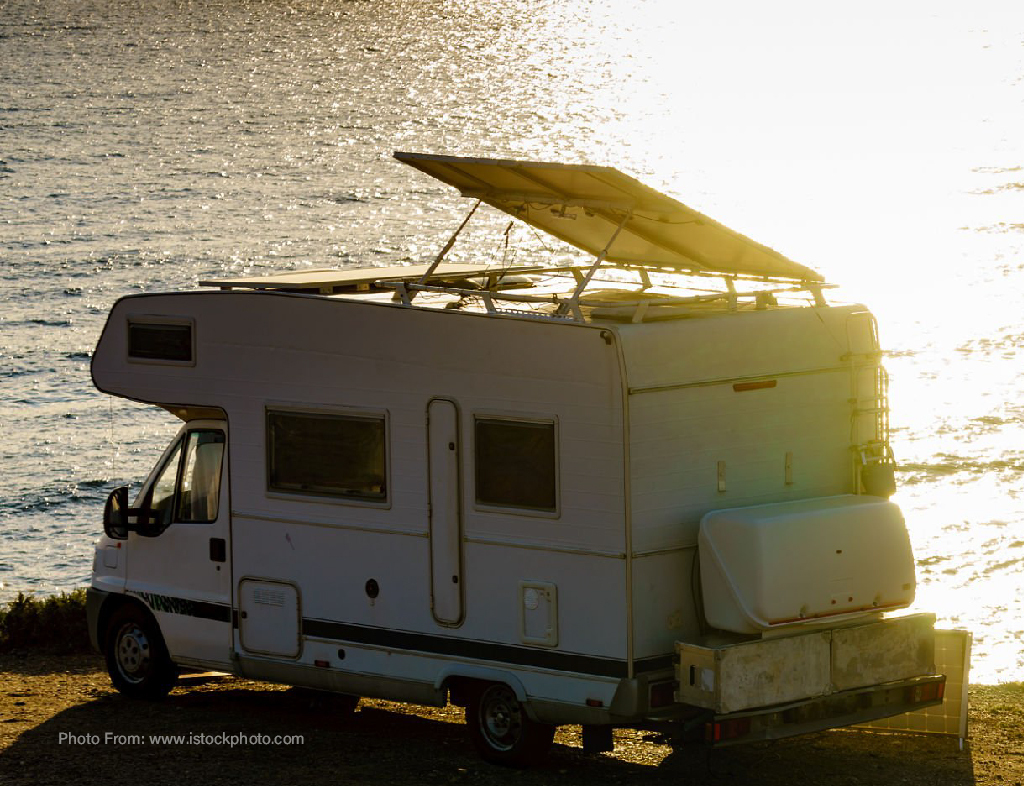
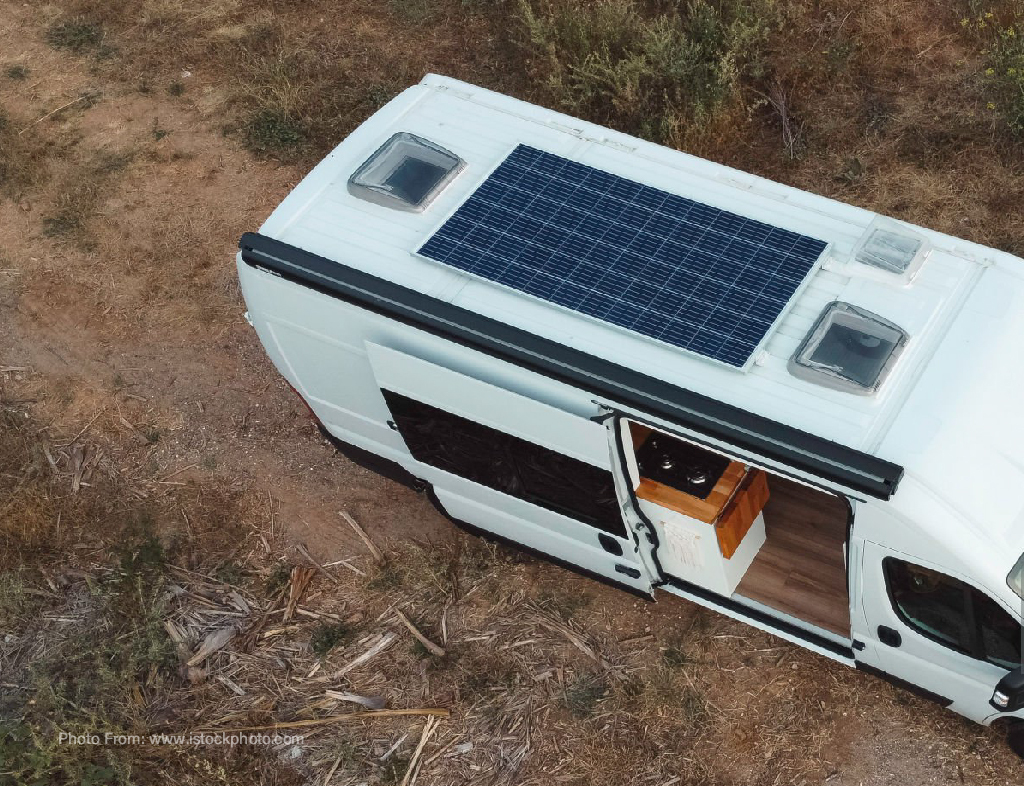
For travelers who spend time away from campgrounds and electrical hookups, solar power has become one of the simplest ways to support that lifestyle. Instead of planning every stop around available shore power, many RV owners use solar energy to keep batteries charged while powering the equipment they depend on throughout the day.
One of the biggest additions to many off-grid setups in recent years has been Starlink. Access to high-speed satellite internet has made it possible to work from remote campsites, mountain valleys, deserts, and other locations where traditional mobile coverage may be limited. At the same time, Starlink adds another continuous electrical load that needs to be considered when planning a solar system.
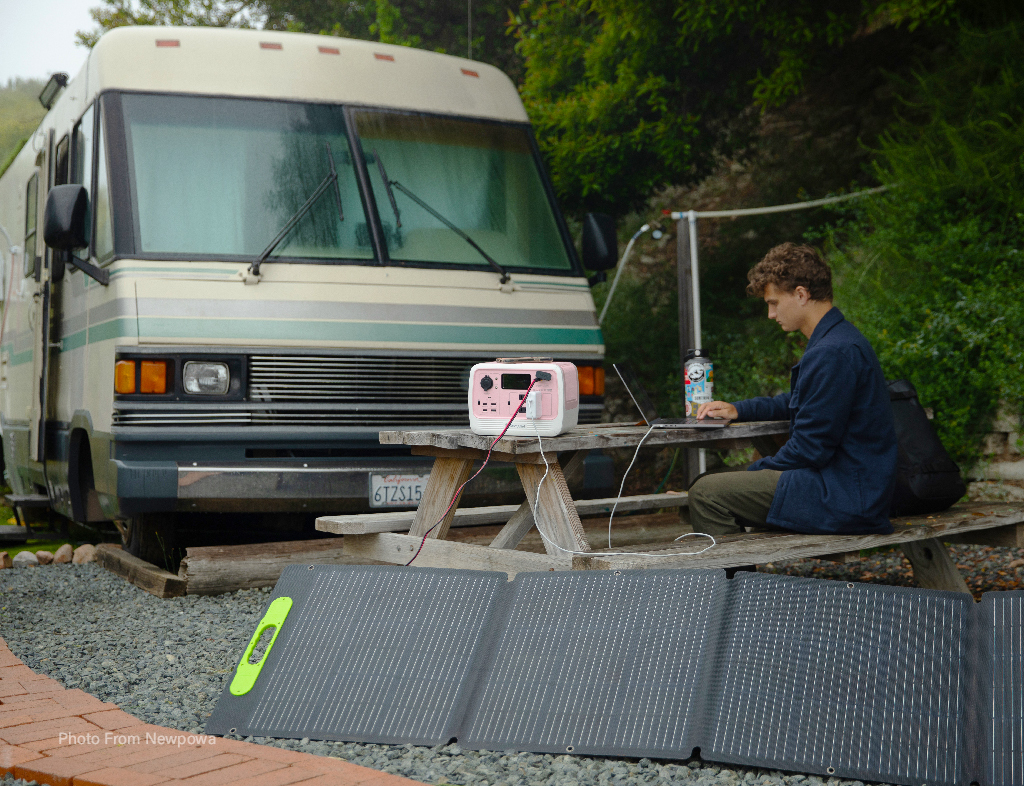
Unlike occasional phone charging or evening lighting, internet equipment may operate for several hours every day. Laptops, portable monitors, routers, tablets, and charging stations often remain connected at the same time, particularly in families where multiple people are studying or working simultaneously. Although none of these devices consume large amounts of power individually, together they create a steady demand that continues long after sunset.
For this reason, battery capacity becomes just as important as solar generation. Solar panels produce energy only while sunlight is available, but batteries determine how comfortably a system continues operating during the evening, early morning, or periods of poor weather. A balanced system is usually more effective than simply adding larger solar panels without considering storage capacity.
Daily habits also influence how efficiently an off-grid system performs. Charging computers and power stations during the middle of the day allows solar panels to support much of the demand directly. Large software downloads, device updates, or battery charging can often be scheduled while solar production is highest instead of relying entirely on stored energy overnight.
Parking location deserves attention as well. While a campsite beneath large trees may provide welcome shade during warm afternoons, it can also reduce solar production. Portable solar panels offer additional flexibility by allowing travelers to position panels in direct sunlight while keeping the RV itself comfortably shaded.
As summer transitions into fall, weather patterns begin to change in many areas. Cloud cover, shorter daylight hours, and occasional storms can all influence how much energy is collected each day. Planning with a small energy reserve rather than using the entire battery every night provides greater flexibility when conditions are less predictable.
Remote work and online learning have made electrical reliability more important than ever, but they have also changed how people experience travel. A quiet lakeside campsite can become an office during the morning, a classroom in the afternoon, and a place to relax once work is finished. With a well-planned solar system, there is no need to choose between staying connected and exploring places far beyond traditional campgrounds.
Solar power continues to give travelers more freedom, not simply by generating electricity, but by making it possible to work, learn, and communicate from locations that once seemed out of reach. As another school year begins, that flexibility remains one of the greatest advantages of traveling off-grid.