
WHY SOLAR PANEL ORIENTATION MATTERS MORE THAN PANEL COUNT IN REMOTE SETUPS
14th Jan 2026
In remote solar setups, it’s easy to assume the simplest path to more power is adding more panels. In practice, orientation often matters more than panel count, because the direction and angle of your array decide how much usable energy you collect throughout the day, and whether that energy arrives when your batteries and loads actually need it.
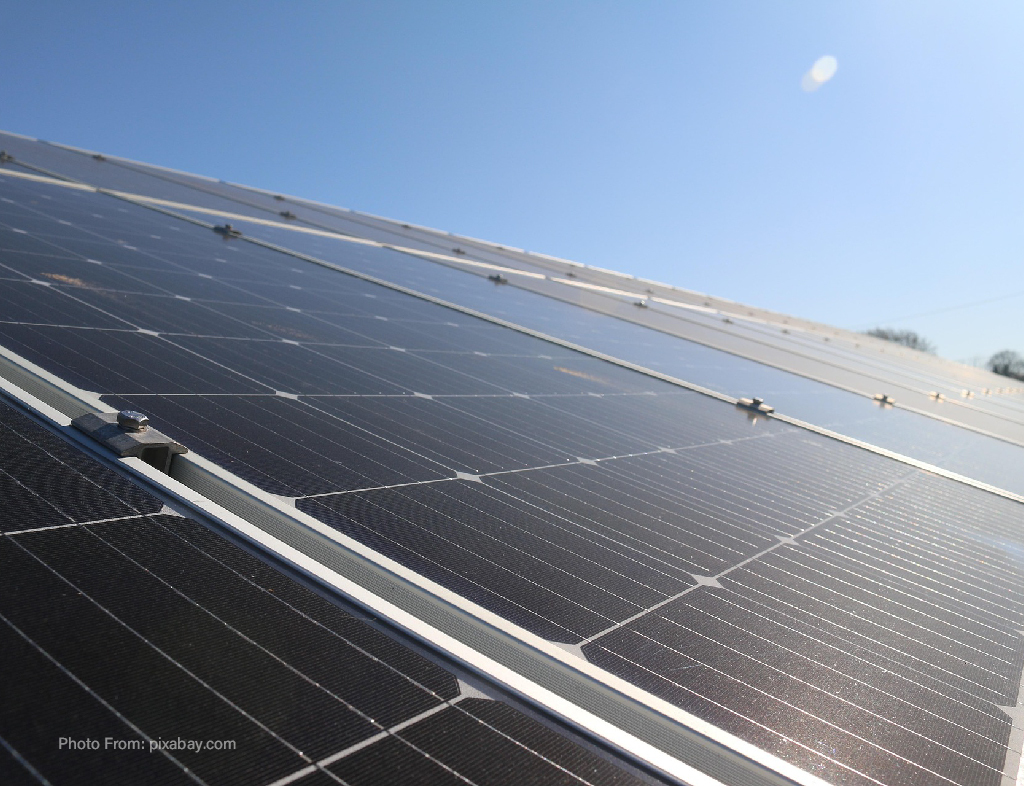
Two variables drive this outcome: azimuth and tilt. Azimuth is the direction your panels face, and it strongly influences the timing of production. In many off-grid systems, the goal is not only a high daily total, but also reliable energy during the hours you run critical loads. If the array faces a less favorable direction, you may still see decent midday output on sunny days, but weaker morning and late-afternoon production, which can make battery charging less consistent and can force you to rely on stored energy earlier than planned. Tilt is the panel’s angle relative to the ground, and it controls how directly sunlight strikes the surface. When tilt is poorly matched to the season, the same panels can deliver noticeably less energy even in clear weather, especially when the sun sits low and sunlight reaches the array at a shallow angle.
Mounting style introduces a clear trade-off. Fixed mounts are common in remote locations because they are simple, durable, and easy to leave unattended for long stretches. The compromise is that one fixed angle cannot be optimal year-round. Adjustable mounts can increase production when it matters most, because you can steepen the array for low winter sun and flatten it for high summer sun, improving how efficiently the panels capture light as the sun’s path changes. The benefit is often more daily energy from the same panel count, but the cost is added hardware, more wind loading to account for, and the reality that someone has to adjust the angle periodically, which may not be realistic for a hard-to-reach site.
Seasonal sun paths are a major reason orientation becomes so decisive in off-grid living. In winter, days are shorter and the sun stays lower, so the penalty for an overly flat array is bigger, and any shading that seems minor in summer can cut deeply into charging time. In summer, you may get strong midday power, but an array that is aimed poorly can still lose the longer shoulder hours that help top off batteries and support daytime use without dipping into storage. Remote systems feel these seasonal shifts more sharply, because battery capacity is finite and backup options are often limited.
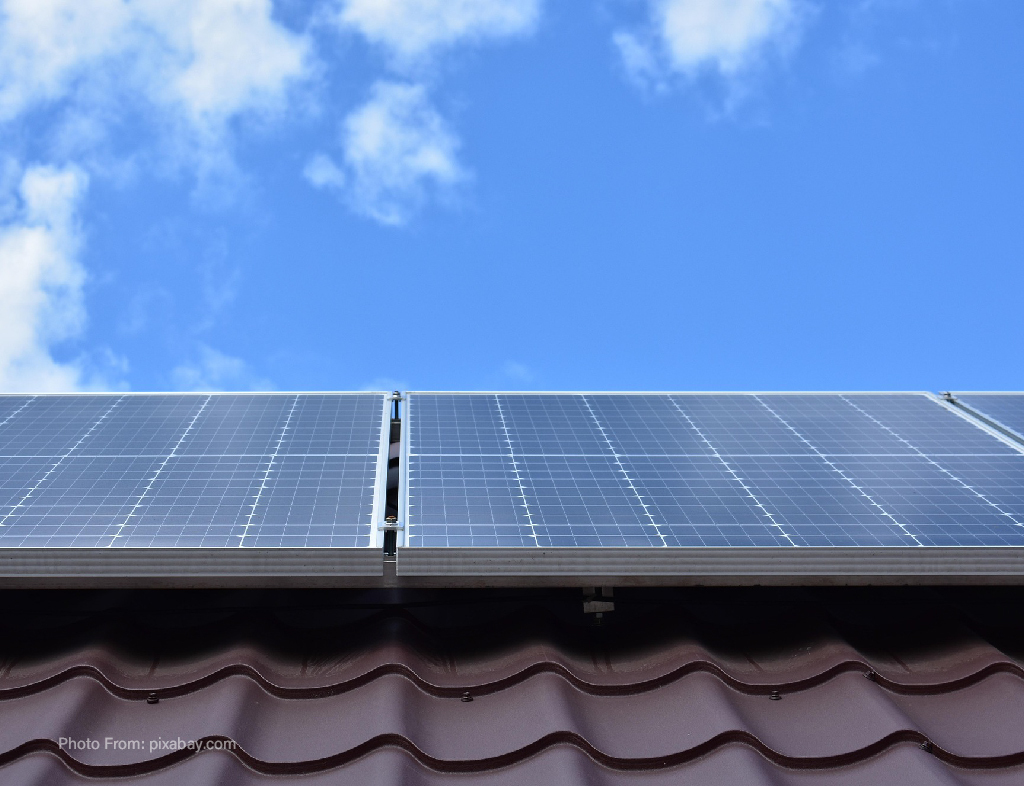
This is also why adding panels does not always fix a weak system. If orientation is poor, extra modules may mostly increase brief peaks rather than improving steady charging, and you can still come up short during the hours that matter. If tilt is mismatched, more panels simply multiply the same seasonal inefficiency, and the system remains disappointing during the toughest months. Before expanding, it is usually smarter to correct azimuth, refine tilt, and reduce shading where possible. A well-oriented array can make an existing system behave like a larger one, because it captures more of the sun you already have and turns rated wattage into reliable watt-hours.