
WHEN A DC-ONLY SOLAR SYSTEM MAKES MORE SENSE THAN USING AN INVERTER
27th Jan 2026
In off-grid solar, adding an inverter can feel like the default step, because so many household products are built around AC. But in many real-world setups, a DC-only system is the simpler, more efficient choice. If your daily loads are modest, predictable, and already available in DC-friendly versions, skipping the inverter can reduce losses, cut complexity, and make your power system more reliable.
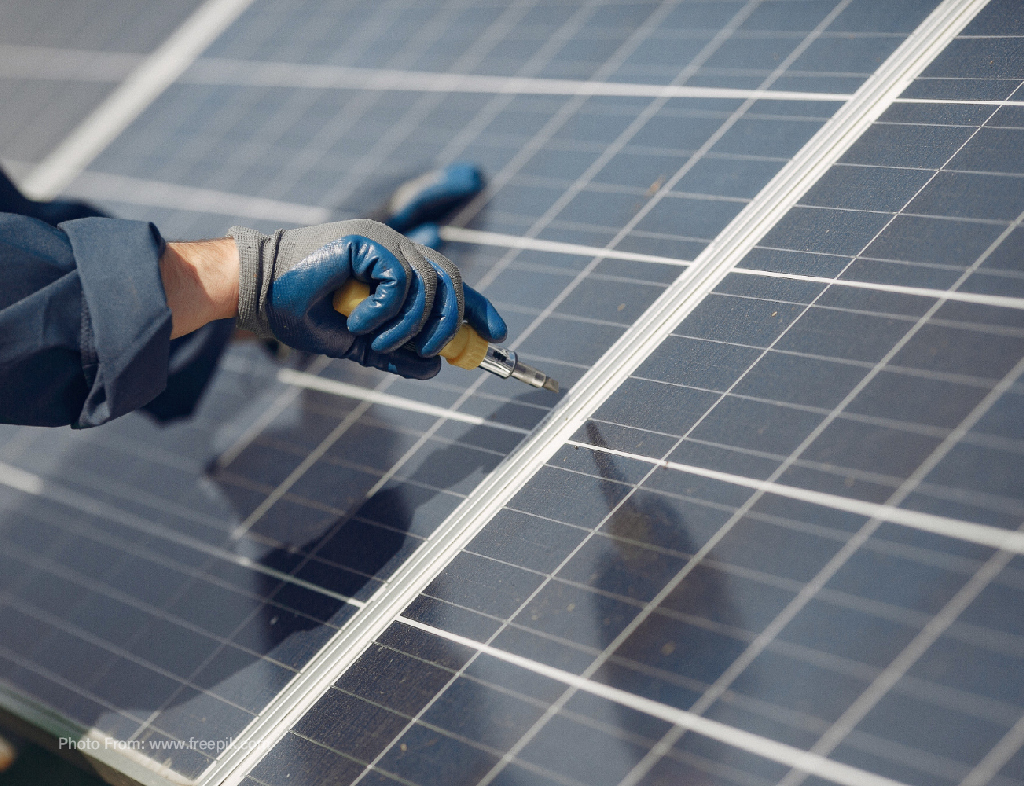
Every time you convert power, you pay for it. A typical off-grid system that starts with DC from solar panels and batteries must run through an inverter to produce AC, and that conversion introduces efficiency losses as heat. Those losses show up in two ways: the conversion itself when a load is running, and the inverter’s idle draw when it’s turned on waiting for something to be used. In small systems, that standby consumption can be a surprisingly large share of daily energy, especially overnight or during low-use periods. A DC-first approach keeps more of your harvested energy available for the loads that matter.
The good news is that many common off-grid needs already fit DC. Lighting is an easy win, because LED fixtures and strip lights are widely available in 12V or 24V. Ventilation fans, water pumps, and small air movers often come in DC versions designed for vehicles and remote cabins. Refrigeration can also be handled with purpose-built DC fridges, which avoid running an inverter 24/7 just to keep food cold. Device charging is naturally DC as well: phones, tablets, laptops, cameras, routers, and many small electronics ultimately run on DC internally, so using DC charging adapters or USB power delivery from a DC source can keep things efficient and straightforward.
Design simplicity is where DC-only systems really shine. Removing the inverter reduces wiring complexity, lowers cost, and eliminates a single point of failure that can take down your entire system. With fewer components, there’s less heat buildup, fewer connections to loosen over time, and less troubleshooting when something stops working. It also encourages a clearer approach to load planning, because you choose appliances that match your system instead of forcing the system to support whatever appliance you happen to plug in.
That said, AC is still unavoidable in certain scenarios. If you need to run tools with standard AC motors, kitchen appliances with heating elements, a well pump that only comes in AC, medical equipment with strict power requirements, or occasional high-wattage items like a microwave, you’ll likely need an inverter. AC can also be hard to avoid when multiple people expect normal household outlets, or when you rely on devices that are only available as AC products.
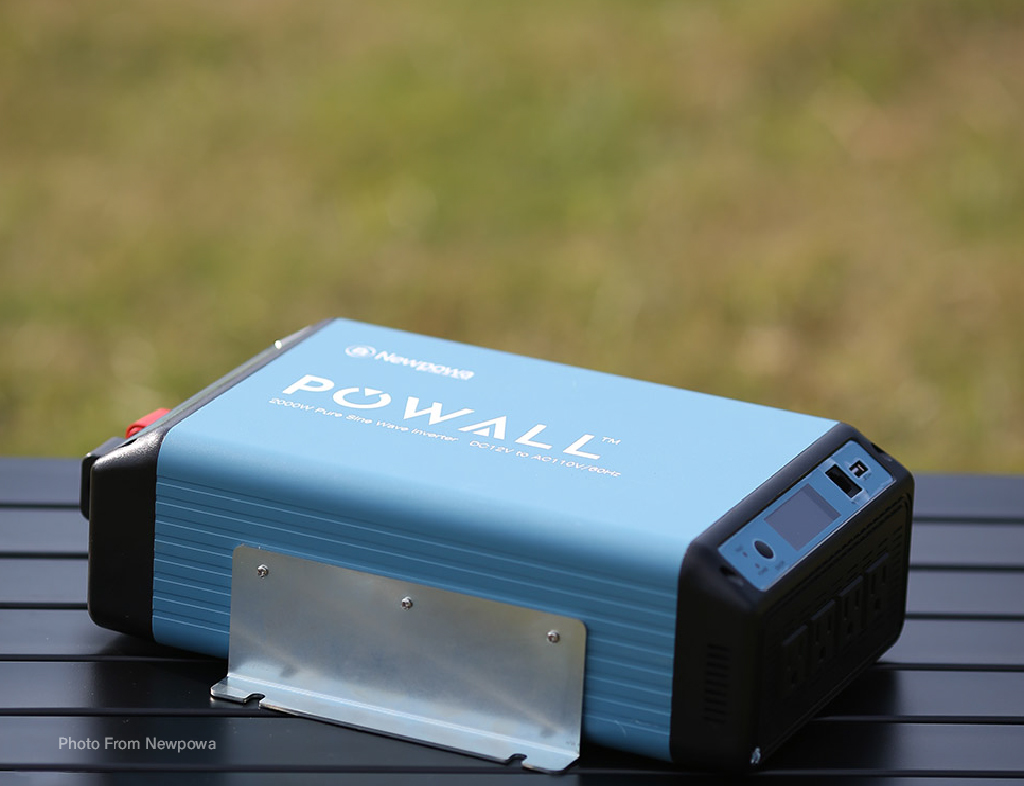
A practical middle ground is to build DC for the everyday essentials and reserve AC for the exceptions. When most of your daily energy goes to DC loads, the inverter can stay off most of the time, turning on only when you truly need AC. In many off-grid setups, that balance delivers the best combination of efficiency, reliability, and simplicity.