
USING SOLAR POWER FOR MEDICAL AND HEALTH DEVICES IN REMOTE LOCATIONS
18th Feb 2026
In remote locations, solar power can do more than run lights and charge phones. It can keep health and medical devices operating when access to the grid is impossible and fuel deliveries are uncertain. The difference between a “nice-to-have” solar setup and a medical-ready one comes down to design priorities: reliability, stability, and layered backup, built around safety rather than convenience.
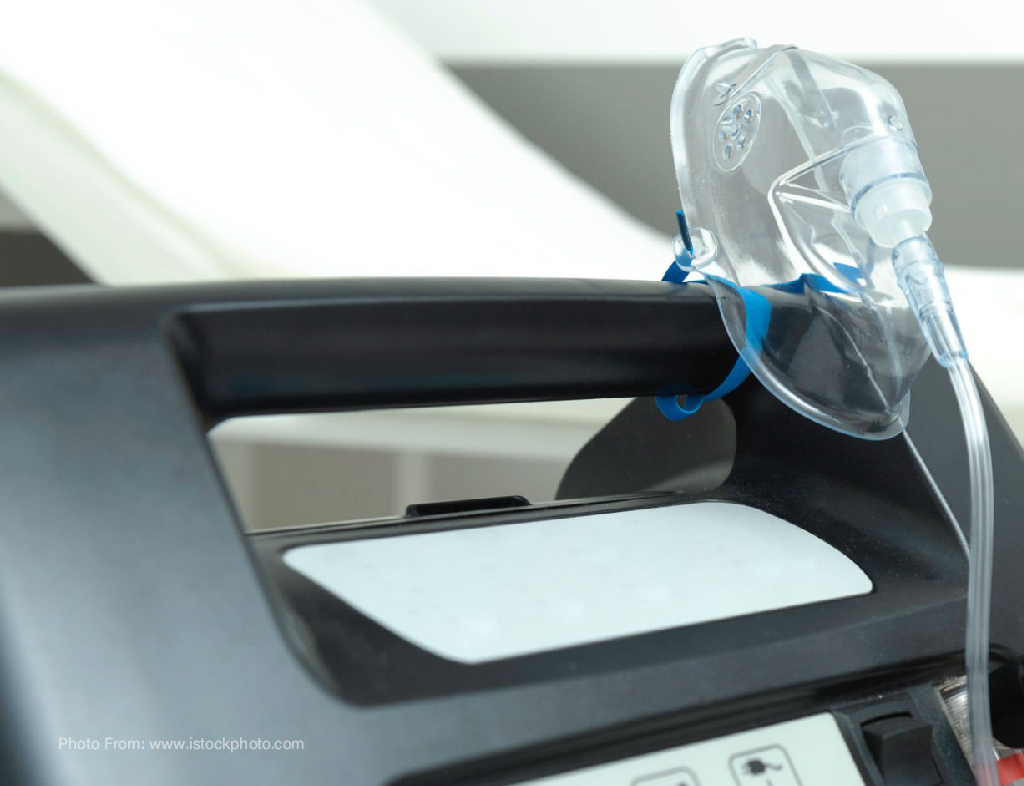
Start by treating every device according to how critical it is. Some equipment is non-negotiable, such as oxygen concentrators, CPAP machines, refrigerated medication coolers, nebulizers, mobility equipment chargers, or communication gear used for telehealth and emergency calls. For these, reliability isn’t just about having enough watt-hours on an average day. It’s about guaranteeing runtime through bad weather, higher-than-normal usage, and inevitable system aging. That means planning for conservative assumptions, including reduced solar production from clouds, dirt on modules, and shorter winter days, plus reduced battery capacity as it gets cold.
Redundancy is the next step, and it should be intentional rather than improvised. A single point of failure is unacceptable when a device is truly critical. Build in at least two independent ways to keep essential loads alive: a properly sized battery bank and a secondary backup method that doesn’t rely on sunlight. Depending on the situation, that could be a small generator, an alternate charging input, or a separate “lifeboat” battery dedicated only to the most critical device. The key is separation. If your general-use loads drain the main battery, the critical circuit should still have protected energy available. This is also where discipline matters: define a low-state-of-charge threshold where non-essential loads are shut off early, long before you reach a point that risks sudden loss of power.
Power quality and voltage stability are often overlooked, but they matter for sensitive electronics and motor-driven medical equipment. Devices may work fine on shore power yet behave unpredictably on a weak inverter, long cable run, or under-voltage battery. Design for stable voltage under load by using appropriately sized wiring, minimizing voltage drop, and choosing power conversion equipment that maintains clean output and can handle surge currents without collapsing. If a device uses a power brick or charger, verify it can accept the inverter’s output and that the inverter can comfortably handle the device’s startup draw. For DC devices, a regulated DC supply can prevent performance issues caused by battery voltage swinging as it charges and discharges. Stability is not about chasing perfection; it’s about preventing brownouts, repeated restarts, and nuisance alarms that can become safety risks.

Finally, design the system around safety rather than convenience. Separate circuits for critical loads, label everything, keep connections protected from moisture and vibration, and avoid “temporary” adapters that become permanent. Establish a simple routine: daily state-of-charge check, a defined charging window, and a clear plan for what gets turned off first when solar input drops. A medical-ready solar system isn’t the biggest system you can afford. It’s the one that stays predictable under stress, protects the most important devices, and gives you clear, practiced options when conditions get tough.