
SOLAR POWER FOR SEASONAL LIVING: CABINS, HUNTING CAMPS, AND TEMPORARY SITES
25th Feb 2026
Seasonal places have a different kind of reliability problem than full-time homes. A cabin that’s used from May to September, a hunting camp that’s busy for a few weeks, or a temporary job site that moves each season all need dependable power without the constant attention that a year-round system can demand. The smartest approach is to design around the calendar first, then fit the equipment to that reality.
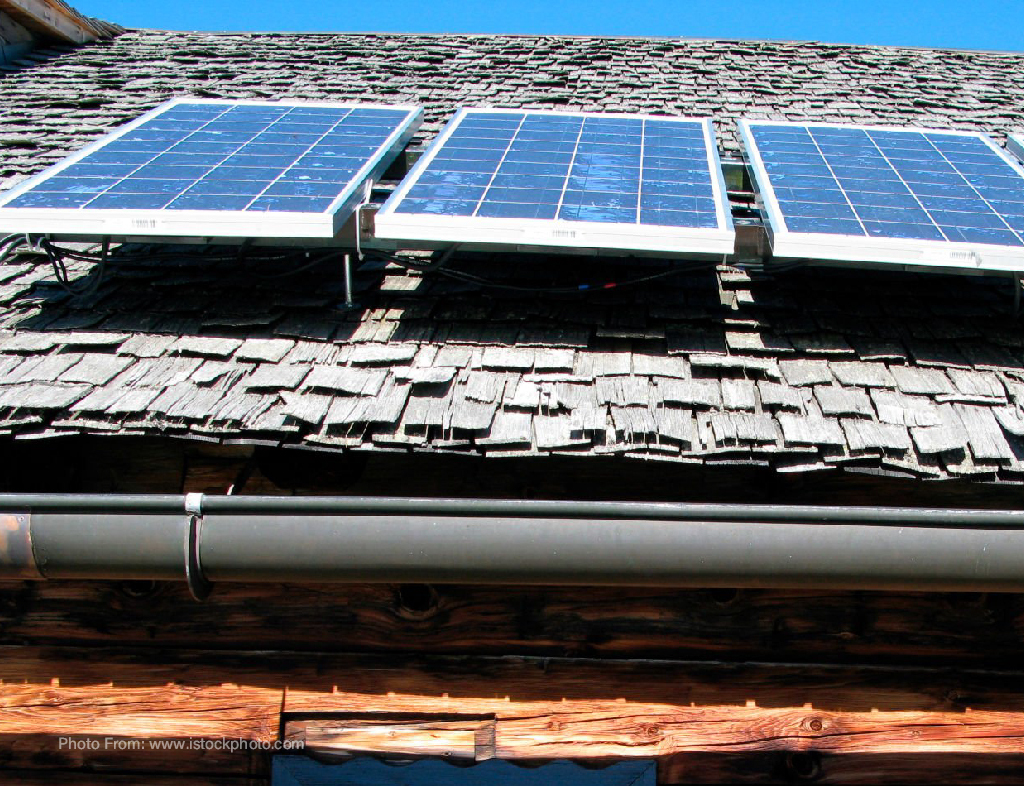
Start by sizing for the months you actually occupy the site. In seasonal living, it’s easy to overbuild based on “what if we stayed longer,” but that often leads to extra cost and more components to maintain. Instead, list your real loads for the active season, focus on the daily essentials, and plan for the worst typical weather for that time of year. Summer cabin use usually means longer days and stronger sun, which can allow a smaller array and battery than a winter-focused hunting setup. If your use is concentrated on weekends, build for fast recovery: enough solar to recharge batteries quickly after a high-use night rather than a massive battery bank that sits underused.
Long idle periods are where systems quietly lose lifespan, especially batteries. The goal is to avoid leaving batteries either fully depleted or constantly held at a high state of charge for months. For many seasonal sites, the simplest strategy is to choose a battery chemistry that tolerates storage well, then store it at a moderate state of charge when you leave. If the system stays on-site, configure it so charging can be limited and stable during the off-season, and make sure parasitic loads are truly minimized. Small “always-on” draws from routers, detectors, or standby electronics can slowly drain a bank over weeks, so a clean disconnect plan matters as much as the solar size.
System style comes down to how often the site changes and how much security you have. Portable systems are great when you’re moving between temporary sites, renting land, or want the option to bring the investment home. They prioritize quick deployment, lighter components, and flexible placement to chase sun around trees and structures. Semi-permanent systems make more sense for a dedicated cabin or recurring camp where you can mount panels sturdily, protect wiring, and reduce daily setup time. The trade-off is that fixed gear needs better weatherproofing, theft deterrence, and a design that can handle months outdoors unattended.
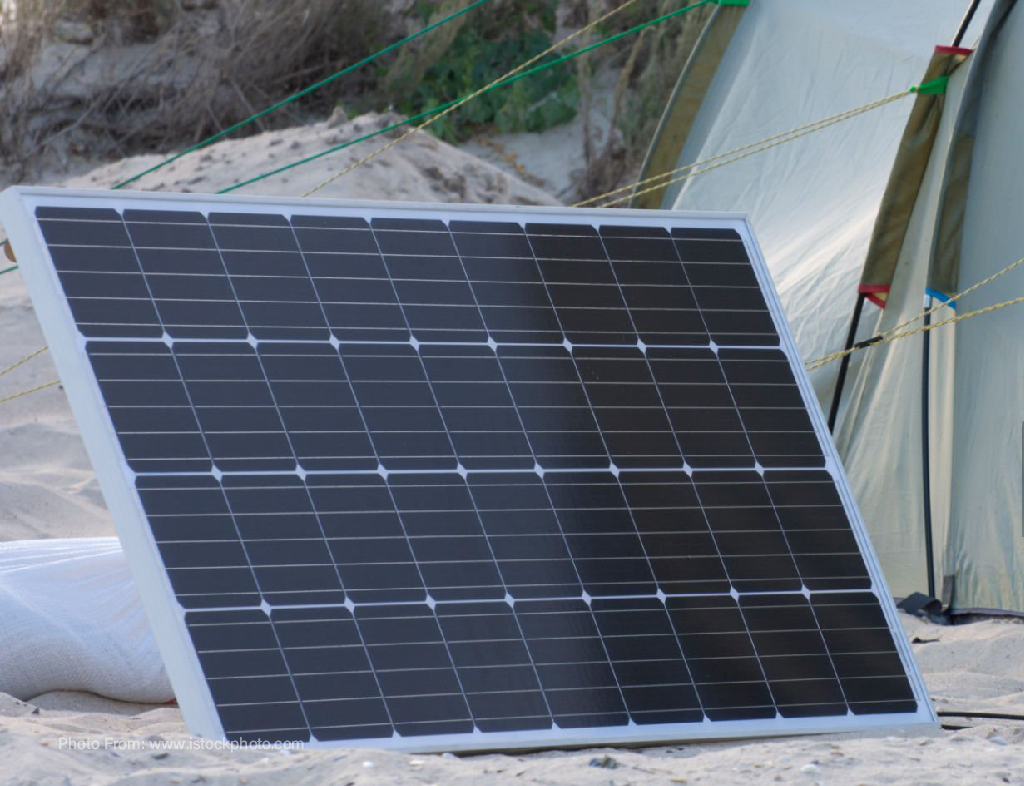
Finally, simplify setup and teardown like you would packing a field kit. Use standardized connectors, clearly labeled cables, and a consistent placement plan so you’re not reinventing the system each trip. Keep the electrical layout straightforward, limit the number of moving parts, and build in a simple checklist for arrival and departure. Seasonal solar works best when it feels routine: arrive, connect, confirm charging, live normally, then shut down cleanly and store components in a way that makes next season as easy as the last.