
SOLAR POWER FOR POP-UP EVENTS, MOBILE RETAIL, AND TEMPORARY OPERATIONS
4th Mar 2026
Pop-up events and temporary operations are a different kind of power problem. You’re not trying to run a site for months. You’re trying to show up, turn on, serve customers, and leave—often on a tight schedule, in a place you haven’t seen before, with loads that spike hard when the crowd hits. Off-grid solar can handle this well, but only if the system is designed around short-duration, high-intensity demand rather than slow, steady household use.
The first step is understanding your power profile. Many mobile retail and event setups have a “burst” pattern: lights, point-of-sale devices, routers, and small displays are modest, but refrigeration, heating elements, coffee gear, compressors, pumps, or power tools can create sudden high draws. A solar array helps refill the battery during daylight, but the battery and inverter are what carry the moment-to-moment intensity. That means sizing for peak watts and surge capability, not just total watt-hours. If a device starts with a big surge, your system has to handle that instantaneous kick without tripping protections, even if the daily energy total looks reasonable on paper.
Unpredictable schedules and locations are the next challenge. A weekend market may run under bright sun, while a last-minute evening booking might be mostly after dark. Shading from buildings, trees, tents, and signage can change hour by hour. A practical approach is to plan for your “worst realistic day” and build flexibility into the system. Extra battery reserve gives you breathing room when solar input is reduced. Simple monitoring helps you adjust on the fly—if charging is weak at a new site, you can prioritize critical loads, delay nonessential tasks, or rotate higher-draw equipment to shorter duty cycles.
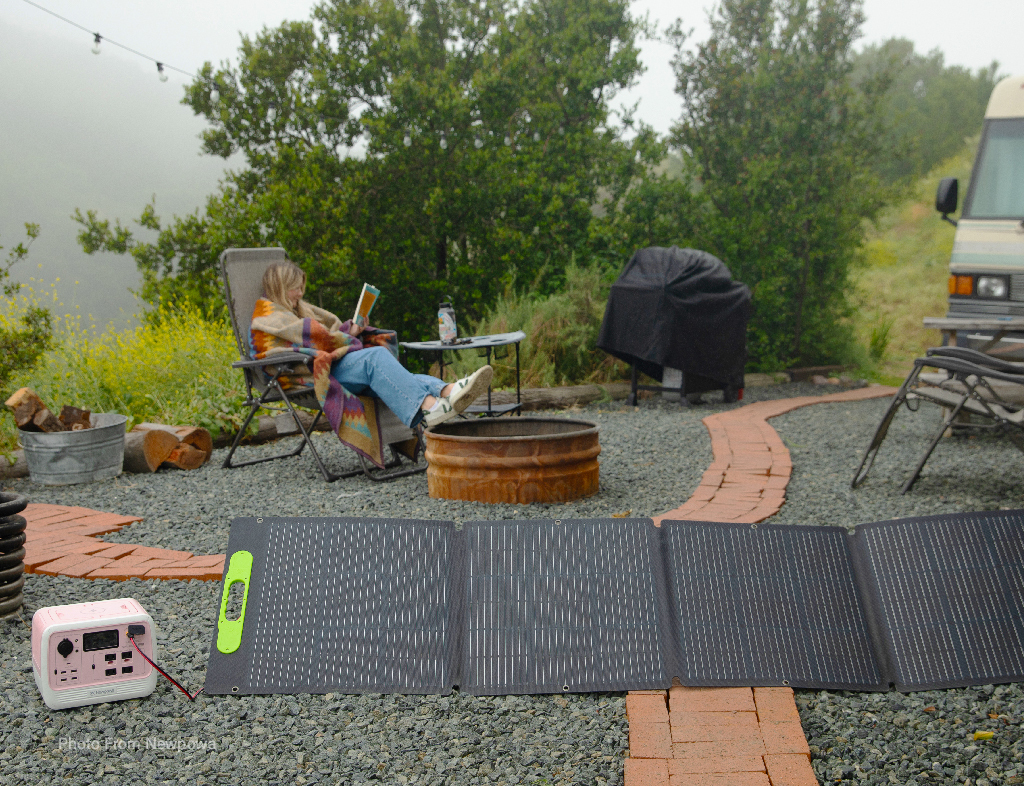
Because temporary operations thrive on speed, transport and setup matter as much as electrical design. Modular systems shine here: separate, manageable pieces that can be carried, packed, and swapped quickly. Portable panels or folding arrays can be deployed fast for daytime charging, while a semi-permanent panel mount on a trailer or roof reduces setup time when you’re moving frequently. Quick-connect cabling, labeled circuits, and a tidy layout aren’t just “nice to have”—they prevent mistakes when you’re setting up in the dark or in a rush. If your operation expands, modularity also lets you add more solar and storage without rebuilding everything.
One of the biggest wins of solar-based power at pop-ups is quality of experience. Generators bring noise, fumes, refueling runs, and the constant worry of running out at the wrong moment. A battery-first solar setup is quiet, cleaner, and often more welcome in crowded markets, indoor-outdoor venues, and noise-restricted areas. It also reduces fuel dependency and idling, which is especially valuable when you’re operating in short bursts. Instead of burning fuel just to stay ready, you store energy and deliver it instantly when the line forms.
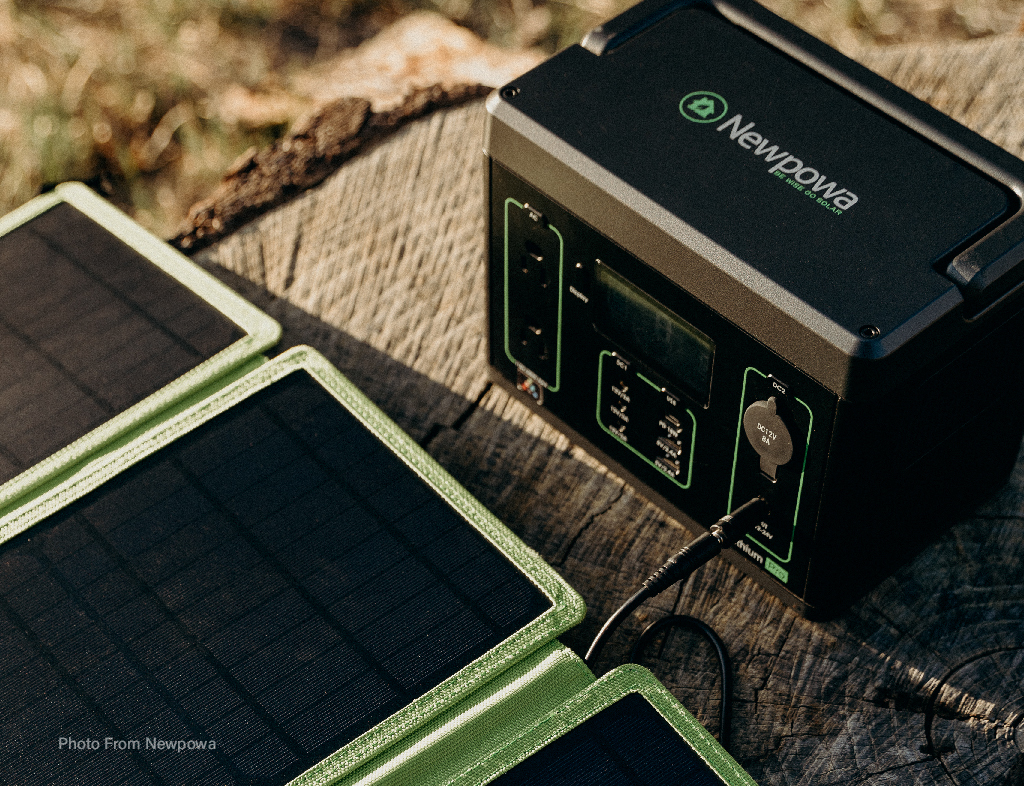
For many operators, the ideal strategy is to treat solar as the primary source and the battery as the performance engine. Design for peak loads, keep capacity in reserve for schedule surprises, and choose modular hardware that matches your pace. The result is a power system that moves as fast as your business does—without the noise and fuel hassles that can hold a temporary operation back.