
SOLAR FOR MILD WINTER CLIMATES: HOW WARMER STATES STAY ENERGY INDEPENDENT
17th Dec 2025
In many southern and western regions, winter looks quite different from what most people imagine. Days are cooler, skies are clearer, and sunlight remains strong enough to power homes, cabins, or mobile setups through the season. These conditions make mild winter climates ideal for solar power, offering consistent energy generation when other parts of the country are dealing with shorter days and heavier cloud cover. The lower air temperatures also allow solar panels to operate more efficiently, which means every ray of winter sun can be converted into usable energy with less thermal loss.
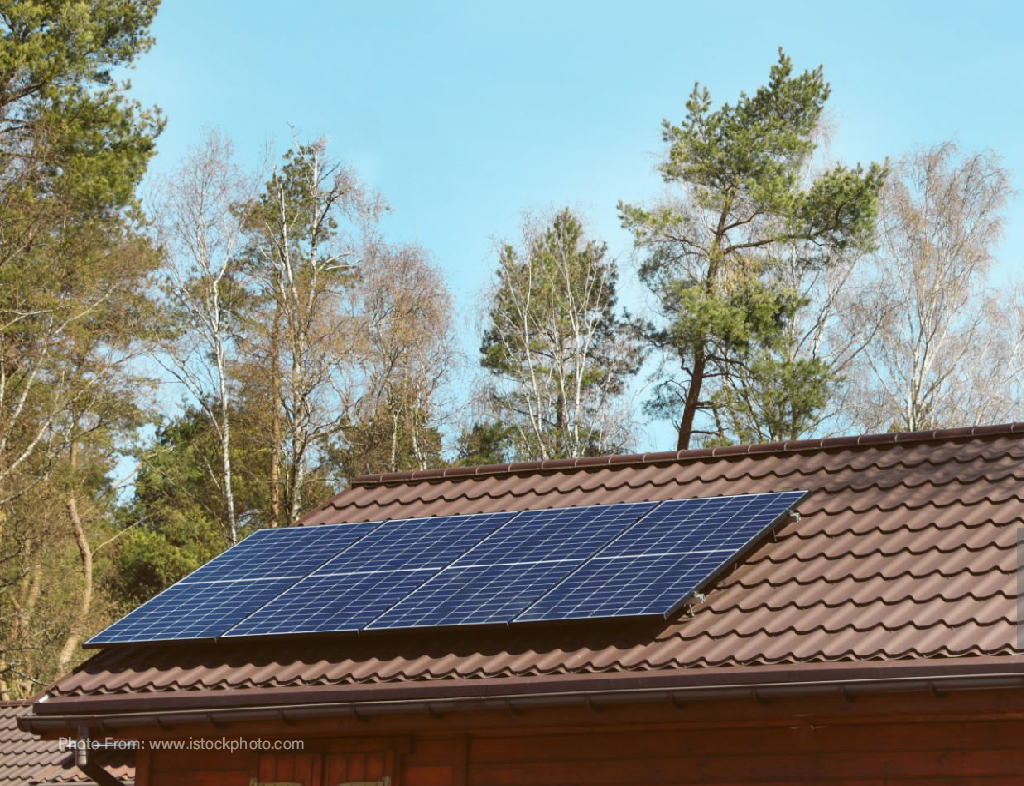
Because of this consistent sunlight, energy independence becomes much easier to maintain year-round in warmer states. Panels can continue producing at levels close to their summer averages, supporting everyday needs and even charging battery banks for nighttime use. This reliability is a major reason why solar adoption remains strong in regions like the Southwest, Gulf Coast, and lower mountain areas. For off-grid users and small businesses, it means fewer generator hours, less fuel consumption, and a cleaner overall footprint.
Winter also happens to be an excellent season for installation or system expansion. Many property owners assume solar work slows down when temperatures drop, but in mild climates, winter often brings the perfect window of opportunity. The weather is comfortable for technicians, scheduling is often easier, and installation timelines are shorter since the busy summer season has passed. For new projects, this means panels can be fully installed and operational before spring, ready to perform at their best as daylight hours increase. For existing systems, winter is a good time to add panels, upgrade batteries, or fine-tune inverters without dealing with extreme heat or heavy demand on the system.
Another overlooked benefit of winter installation is that it avoids the challenges that come with summer construction. In hotter months, roof surfaces and metal mounts can reach high temperatures, making installation slower and more difficult. Electrical components may need extra precautions to prevent heat-related stress. In contrast, the cooler winter air provides a safer and more efficient working environment. It also allows system owners to test performance under mild conditions, ensuring that everything—from the charge controller to the battery connections—is operating smoothly before the high-load summer season arrives.
Testing system efficiency in cooler weather gives a clearer picture of how well the system can sustain energy needs throughout the year. Since solar panels often perform slightly better in lower temperatures, users can establish a strong baseline for power output. If performance is solid during the winter, it typically improves even further once summer sunlight intensifies. This early testing period helps identify any wiring or shading issues while the sun angle is lower, allowing for simple adjustments that pay off long-term.
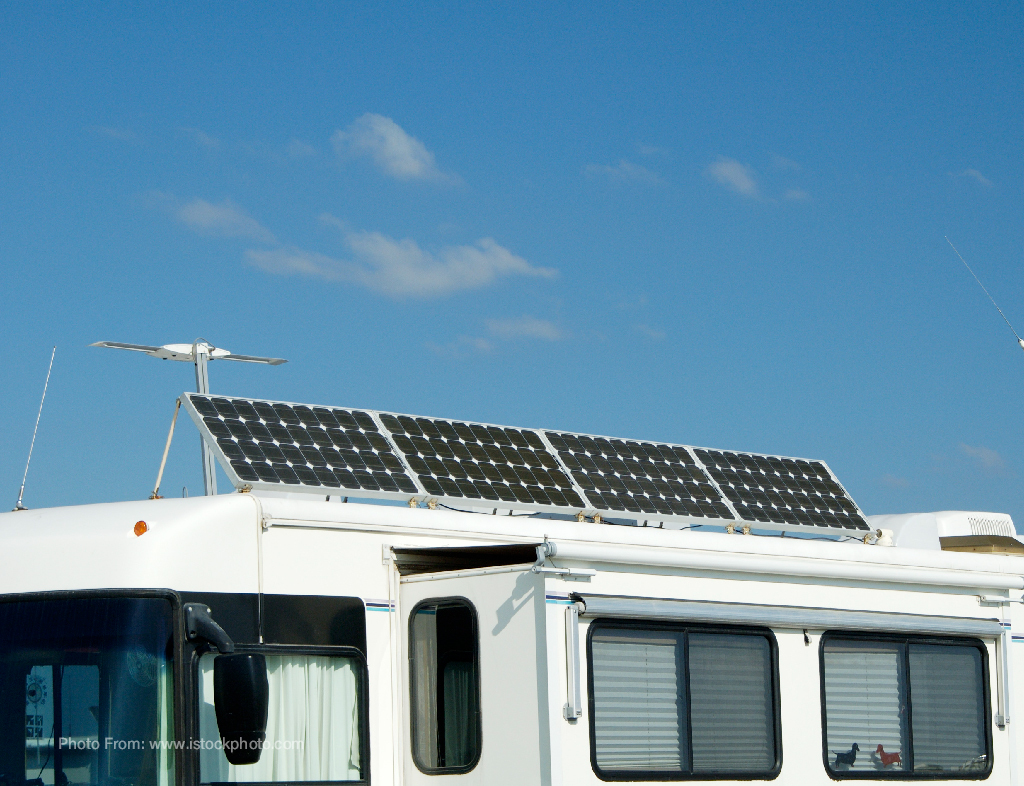
For anyone living or working in regions with mild winters, solar offers a dependable and flexible path toward energy independence. The combination of strong sunlight, moderate temperatures, and easier installation conditions creates an ideal environment for long-term power reliability. By taking advantage of these months, users can secure steady energy before the summer rush—and stay ahead of the curve in harnessing the sun’s power all year long.