
MANAGING POWER PRIORITIES WHEN SOLAR SUPPLY IS LIMITED
5th Feb 2026
When solar supply is limited, the biggest advantage of an off-grid system is also its biggest challenge: you’re the “utility company.” Instead of assuming power is always available, you decide what matters most, when it runs, and how to keep the battery from being drained at the wrong time. With a few practical habits and some intentional system choices, limited production stops feeling like an emergency and starts feeling manageable.

The first step is separating essential loads from non-essential ones. Essentials are the items that protect safety, health, and basic function, like refrigeration for food or medication, a water pump if you rely on one, minimal lighting, device charging for communication, and any critical ventilation or heating controls. Non-essentials are the comforts and conveniences that can be paused without real consequences, such as entertainment devices, decorative lighting, high-watt cooking appliances, or anything that can be done another way. The tricky category is “nice-to-haves that pretend to be essentials,” like running a big inverter just to keep everything plugged in. In a tight energy window, it’s often better to power only what you truly need, not what happens to be connected.
Once priorities are clear, schedule energy use around sunlight availability. Midday is usually when panels can carry loads directly, which is far more efficient than pulling everything from the battery. That’s the time to do high-demand tasks like charging tool batteries, running a small kitchen appliance, pumping water into a storage tank, or topping off electronics. Even loads that feel small can add up at night, so aim to finish “optional” usage before sunset and keep evening power focused on essentials. If your battery state of charge is already lower than you’d like in late afternoon, that’s your cue to switch into conservation mode early, not after the lights start dimming.
Limited solar often rewards manual habits over automation. Automation can be great when energy is abundant, but it can also hide consumption until it becomes a problem. Manual control makes you more aware. Flip lights off deliberately, unplug standby loads, run fans only when needed, and choose a manual kettle or stove option when battery levels are tight. Even simple routines like charging phones during the brightest hours and keeping the fridge closed as much as possible can noticeably reduce daily demand.
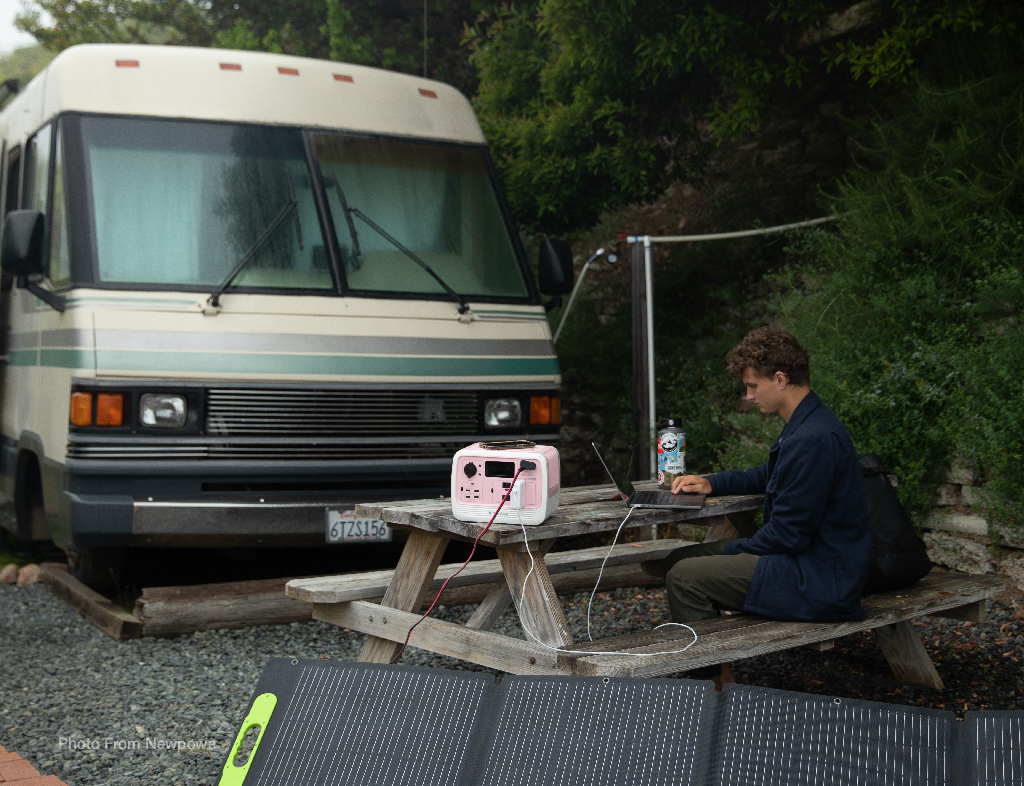
Finally, design choices can encourage smarter consumption instead of fighting human behavior. Break the system into circuits so essentials are protected and non-essentials can be shut off quickly. Use dedicated DC options where practical to avoid unnecessary conversion losses, and size wiring and components to reduce wasted energy. Most importantly, treat power like a daily budget: a system that gives you clear feedback and easy ways to limit non-critical loads naturally trains better habits. When solar is scarce, the goal isn’t discomfort—it’s control.