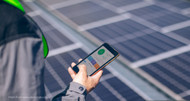
HOW TO MONITOR REMOTE SOLAR SYSTEMS WITHOUT INTERNET OR CELLULAR ACCESS
8th Apr 2026
Remote solar systems are often installed in places where internet and cellular service are weak, inconsistent, or unavailable altogether. That is one reason cloud-based monitoring does not always work as the primary way to track system performance. In real-world remote applications, especially those tied to unattended equipment or commercial use, a solar system may be expected to operate for long stretches without anyone nearby and without a reliable connection to send updates. If monitoring depends too heavily on online access, operators may lose visibility at exactly the moment they need it most. A system that looks fully connected in theory can quickly become harder to manage once it is deployed in an isolated location.
That is why local monitoring still matters so much. Charge controllers, inverters, and on-site displays often provide the most dependable window into how a system is actually performing. Even without internet access, they can show battery voltage, charging activity, load behavior, warning indicators, and fault conditions. For remote solar setups, this kind of direct information is often more practical than relying only on an app or cloud dashboard. When a technician arrives on site, clear readings from core components can make it much easier to understand what has been happening and whether the system is operating normally. In remote environments, useful monitoring is not always about seeing everything from anywhere. Sometimes it is about making sure the system itself clearly shows what matters.
Good monitoring also means knowing how to spot small signs of trouble before they turn into bigger failures. Remote systems usually do not fail without warning. More often, performance starts slipping in ways that can be missed if nobody is paying attention to the right details. Batteries may remain at lower state of charge for longer periods. Charging may seem weaker than expected during usable sunlight. Recovery after cloudy weather may take longer than it used to. Loads may behave inconsistently, or fault messages may begin appearing more often. These are the kinds of early warning signs that can point to shading changes, battery aging, connection issues, or system sizing problems before the site experiences a full outage.
In many remote commercial applications, simpler systems are often the better choice for exactly this reason. The more layers of communication hardware, software integration, and remote-access features a system depends on, the more potential failure points it may introduce. A simpler system is usually easier to inspect, easier to understand, and easier to troubleshoot during routine service visits. That matters even more when the equipment supports an unattended site, because maintenance decisions often need to be made quickly and based on what can be observed directly. In those cases, clear system behavior is often more valuable than advanced monitoring features that only work under ideal conditions.

For remote solar, monitoring should support reliability, not complicate it. When internet and cellular access cannot be counted on, the best approach is often to build around local visibility, straightforward system behavior, and signs that are easy to recognize during inspection. In unattended and commercial remote applications, the most effective systems are often not the most connected ones, but the ones that remain easy to observe and manage no matter where they are installed.