
HOW TO DESIGN AN OFF-GRID SOLAR SYSTEM FOR CLOUDY OR RAINY CLIMATES
31st Dec 2025
Designing an off-grid solar system for regions that experience frequent cloud cover or consistent rainy seasons requires a different approach from the typical setups used in sunnier climates. While solar panels can still generate energy under diffuse light, the reduced output means that users need to plan carefully to maintain reliability throughout the year. A well-designed system can perform impressively even in areas known for overcast conditions, such as the Pacific Northwest, tropical rainy zones, or coastal regions that experience long stretches of storms.
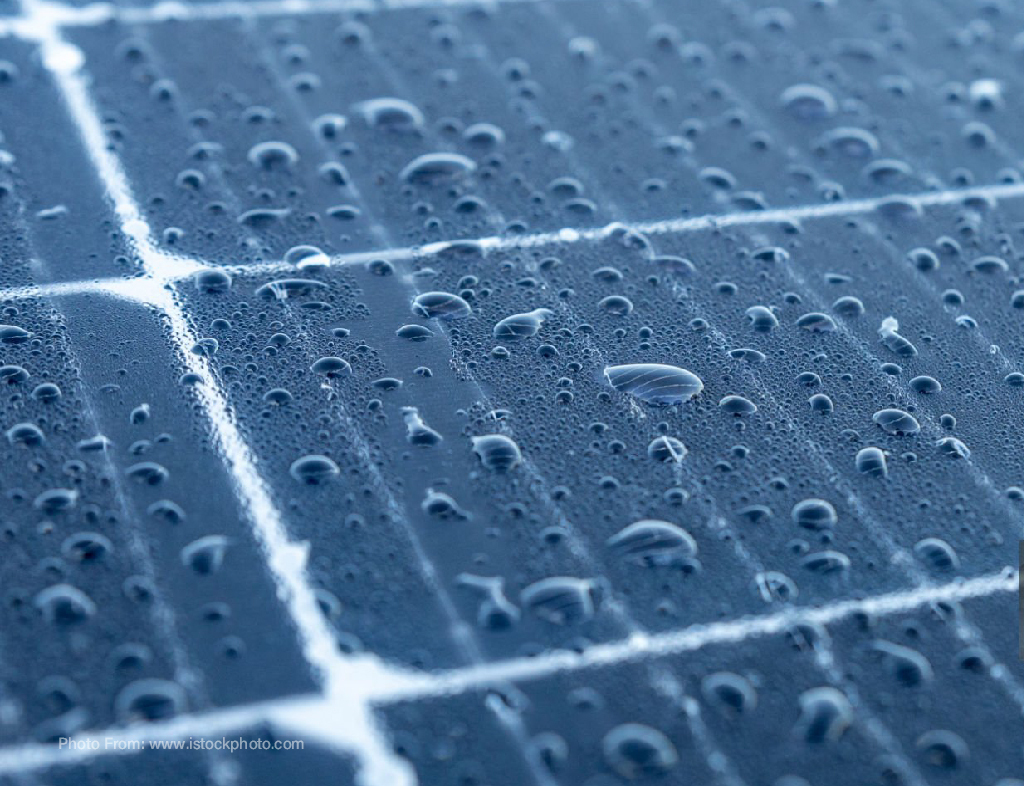
One of the most effective strategies for improving performance in cloudy regions is increasing the panel-to-load ratio. Instead of sizing the array only for peak production, off-grid users benefit from intentionally oversizing the array so the system can still meet daily usage during prolonged low-light periods. This approach helps maintain battery charging levels and reduces the risk of deep cycling, which improves long-term battery health. Adding extra panel capacity also offers more flexibility for future load growth and helps stabilize output during shoulder seasons when sunlight hours are limited.
Battery storage design becomes even more important in climates where the weather is unpredictable. Systems built for sunny regions often rely on shorter autonomy periods, but cloudy or rainy environments demand larger reserves to handle extended stretches of limited production. Many users choose to increase total storage capacity or use higher-efficiency battery chemistries that tolerate frequent cycling. Prioritizing sufficient storage depth ensures that critical loads stay powered even through several days of poor weather. At the same time, proper charge controller settings and a balanced charge profile help preserve battery life in environments where full daily charging may not always be possible.
Mounting decisions also affect performance in cloudy or rainy climates. While fixed mounts are simple and reliable, tracking mounts can significantly improve energy harvest in locations where sunlight arrives at varying angles through shifting cloud layers. Trackers help the panels capture diffuse light more effectively by positioning them toward the brightest part of the sky throughout the day. In regions with heavy rainfall, users sometimes combine seasonal tilt adjustments with ground or pole mounting styles that allow faster drainage and easier cleaning. Proper tilt can also reduce standing water and help prevent long-term residue that gradually reduces efficiency.
In addition to optimizing solar production, complementary energy sources can add resilience to an off-grid system and reduce dependence on any single weather pattern. Small wind turbines are especially useful in rainy or coastal regions where storms bring consistent wind even when the sky is overcast. Hydroelectric systems, whether micro-hydro or simple stream-driven units, provide stable output during wet seasons that coincide with low solar production. Backup generators remain a reliable safety net and can be used sparingly to maintain battery health or support high-demand appliances during long stretches of cloudy weather.
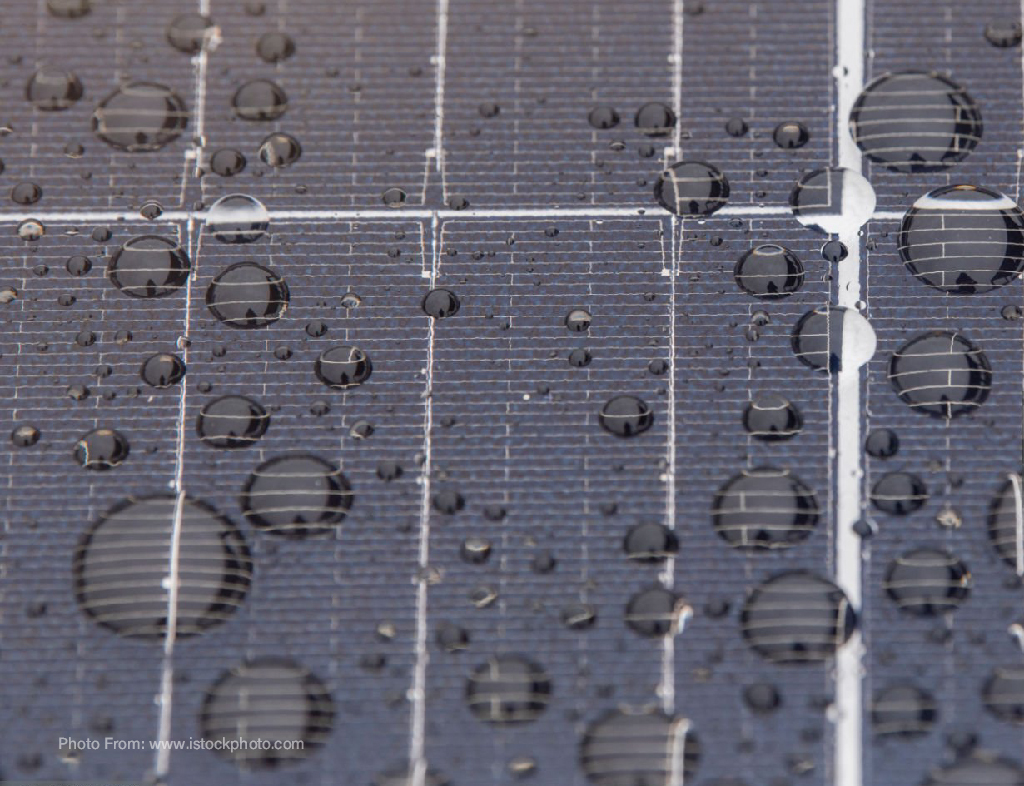
Designing an off-grid solar system for cloudy or rainy climates is ultimately about planning for variability and ensuring that the system can continue delivering dependable power even when sunlight is limited. With the right combination of larger arrays, thoughtful storage design, smart mounting choices, and balanced supplemental energy sources, off-grid users can achieve year-round reliability regardless of shifting weather patterns.