
HOW TEMPERATURE EXTREMES IMPACT BATTERIES MORE THAN SOLAR PANELS
18th Mar 2026
Temperature is one of the biggest hidden variables in off-grid power, and it tends to punish batteries far more than solar panels. A system that feels perfectly sized in mild weather can suddenly act “too small” in a cold snap or a heat wave, even if the sunlight looks the same. The reason is simple: panels and batteries respond to temperature in very different ways, and the battery is usually the limiting link when conditions get extreme.
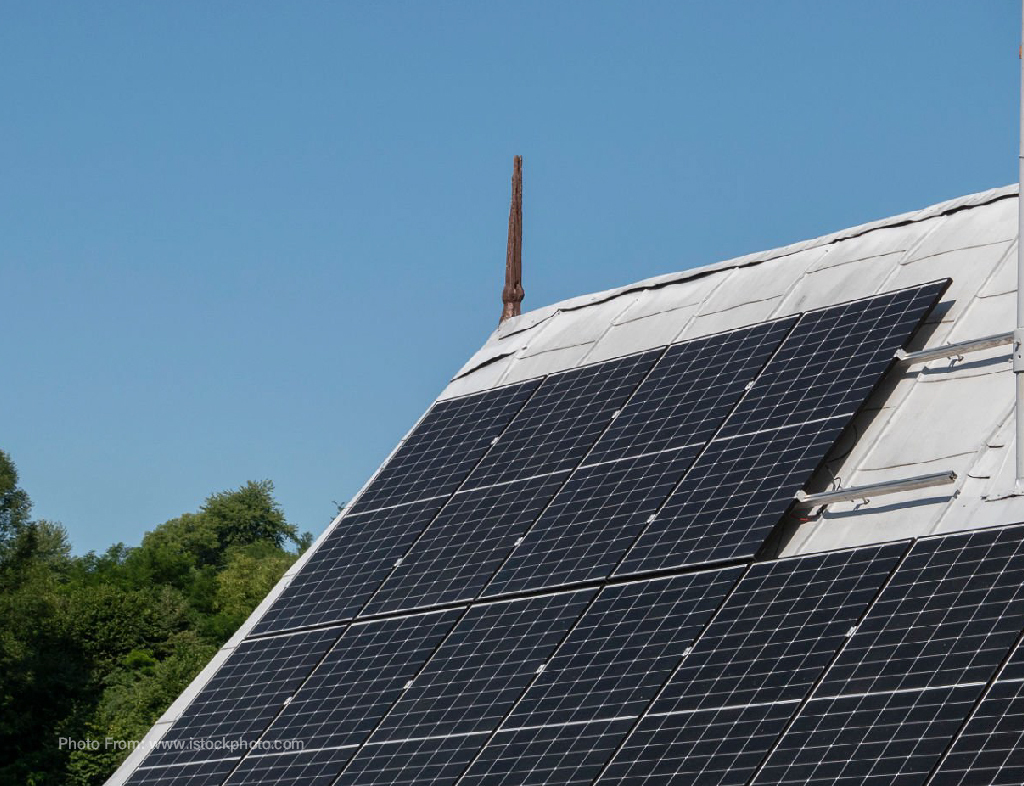
Cold weather mainly attacks battery performance in two ways. First, chemical reactions slow down as temperatures drop, so the battery can’t deliver energy as easily. You may notice voltage sag under normal loads, earlier low-voltage alarms, or devices shutting off even when the battery monitor says there should still be capacity left. Second, charging acceptance decreases in the cold, meaning the battery can take in power more slowly and less efficiently. In many battery types, charging below certain temperatures can also cause long-term damage, so good charge control becomes critical during winter.
Heat creates a different set of problems. In high temperatures, a battery may seem more “willing” to deliver power in the moment, but heat accelerates aging. Elevated temperatures increase internal degradation, shortening cycle life and increasing self-discharge. Long periods of hot storage or repeated hot charging can quietly reduce usable capacity over time, so a battery bank that was “enough” last season may feel weaker the next. Heat also stresses surrounding components, and poor ventilation can compound the issue by trapping warmth right where you don’t want it.
Solar panels, by contrast, often surprise people in cold weather—in a good way. While winter has shorter days and lower sun angles, the panels themselves can operate more efficiently at lower temperatures. Colder cells typically produce higher voltage, which can improve energy harvest when sunlight is available, especially in clear, crisp conditions. That’s why a bright winter day can still produce strong charging even when the air feels freezing. Heat is usually the bigger drag on panels, because hot cell temperatures reduce output, but the loss is often modest compared to the way a battery’s usable capacity and charge acceptance can swing with temperature.
Because the battery is more sensitive, placement matters. Keep batteries out of unconditioned spaces when possible, and avoid mounting them where they face direct sun, engine heat, or roof-level heat buildup. In cold climates, placing batteries closer to the living or equipment space can help them stay within a safer, more efficient operating range. Insulation can slow temperature swings, but it should be paired with smart ventilation so you don’t trap heat in summer. The goal is stability: fewer extremes, fewer rapid changes, and fewer hours spent outside the battery’s comfort zone.
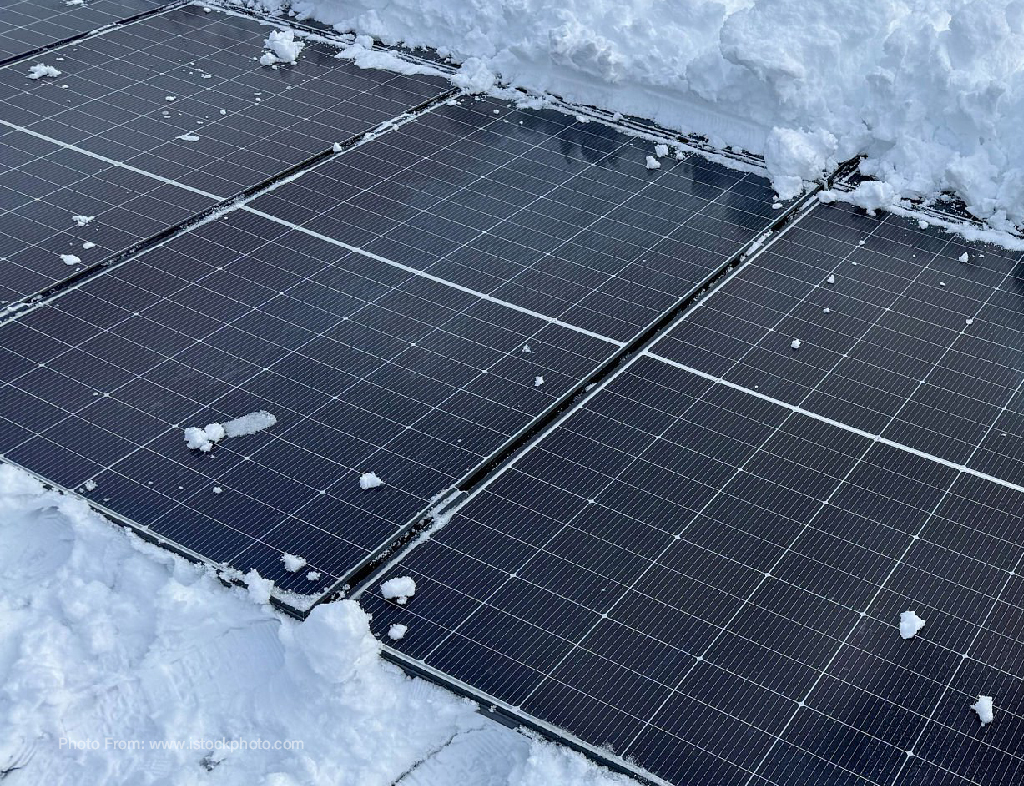
Seasonal planning is what makes an off-grid system feel reliable year-round. In winter, plan a buffer because cold can reduce usable capacity and limit how quickly you can recharge. In summer, plan for long-term capacity fade and higher self-discharge, especially if your power system sits in a hot enclosure. Oversizing the battery slightly, keeping charge settings appropriate for the season, and building a margin for “worst week” weather will do more for real-world uptime than simply adding more panels. When temperatures swing, it’s usually the battery—not the solar—that determines whether your system feels effortless or fragile.