
DESIGNING SOLAR SYSTEMS FOR PART-TIME USE VS 24/7 POWER DEMAND
7th Jan 2026
Designing solar systems for off-grid use requires more than simply estimating how often power is needed. The biggest distinction is whether the system supports part-time use or must deliver electricity around the clock. While both rely on the same core components, their design logic differs significantly, and misunderstanding those differences often leads to underperforming systems.
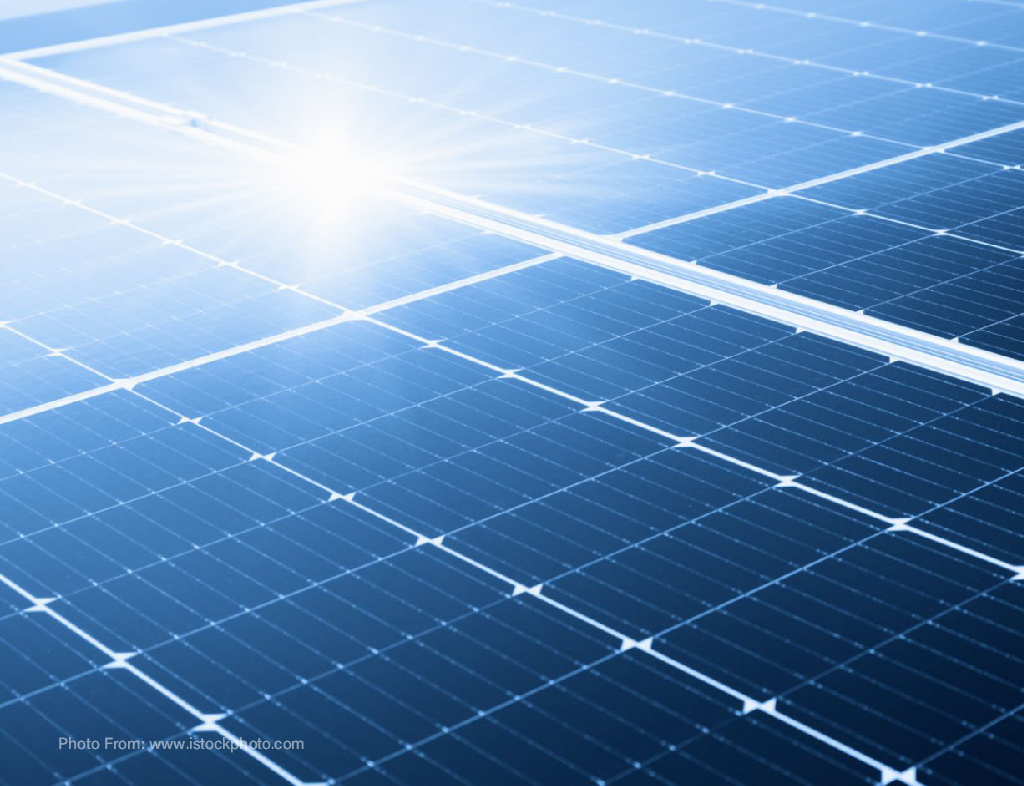
Part-time solar setups typically serve cabins, weekend RV trips, seasonal work sites, or equipment that only runs during specific hours of the day. Their load profile is uneven, with energy demand clustered into short windows such as cooking, pumping water, charging tools, or running appliances during daylight or early evening. In contrast, 24/7 systems support continuous loads like refrigeration, communications equipment, medical devices, or full-time living spaces. These systems must handle a steady baseline demand plus peaks, even when solar production drops to zero overnight or during extended poor weather.
Battery sizing is where this difference becomes most obvious. In a part-time system that does not require overnight power, batteries mainly act as a buffer rather than a long-term energy reserve. They smooth out fluctuations when clouds pass or when loads briefly exceed solar output, but they are not expected to carry the system through many hours of darkness. This allows for smaller battery banks, reduced cost, and faster recharge cycles. By comparison, a 24/7 off-grid system depends heavily on batteries to maintain reliability. The battery bank must store enough energy to cover nighttime use and often multiple days of limited sun, which dramatically increases capacity requirements and influences system voltage, charging strategy, and overall layout.
Panel sizing strategies also shift depending on usage patterns. For intermittent use, the goal is often to capture as much energy as possible during short, intense usage windows. This may mean oversizing the solar array relative to average daily consumption so that high-demand loads can run directly from solar during peak sun hours, minimizing strain on the batteries. In these cases, having more panel capacity helps recover quickly after heavy daytime use. For 24/7 demand, panel sizing focuses on meeting average daily energy needs year-round, including winter conditions, while ensuring enough excess production to fully recharge batteries after overnight discharge.
One of the most common design mistakes in off-grid solar is assuming that less frequent use automatically means a smaller system. In reality, part-time use can still involve high instantaneous loads that require robust inverters, adequate wiring, and sufficient solar input. A system that is too small may technically work on paper but struggle in real-world conditions, leading to frequent low-battery situations or the need to run backup generators. Another mistake is ignoring how quickly energy must be replaced. Even if total daily consumption is low, the system must be capable of recharging batteries efficiently within limited sunlight hours.
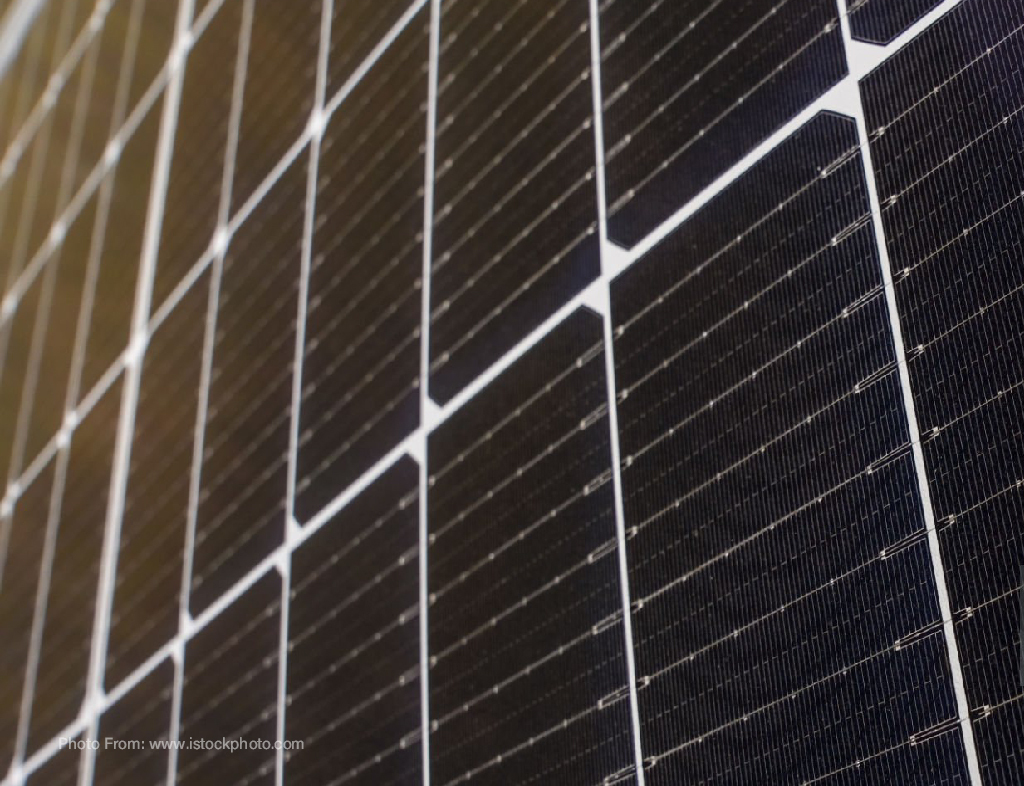
Ultimately, the difference between part-time and 24/7 off-grid solar is not about how often the system is used, but how energy flows throughout the day and night. Designing around realistic load profiles, battery behavior, and solar production patterns ensures reliability, avoids unnecessary costs, and creates a system that truly matches the way power is used.