
COMMON SOLAR DESIGN ASSUMPTIONS THAT FAIL IN REAL-WORLD USE
1st Apr 2026
Many off-grid solar systems look great on paper but struggle once they are exposed to daily life. That is usually not because the equipment is bad, but because the original design was built around assumptions that seem reasonable in theory and fall apart in real-world use.

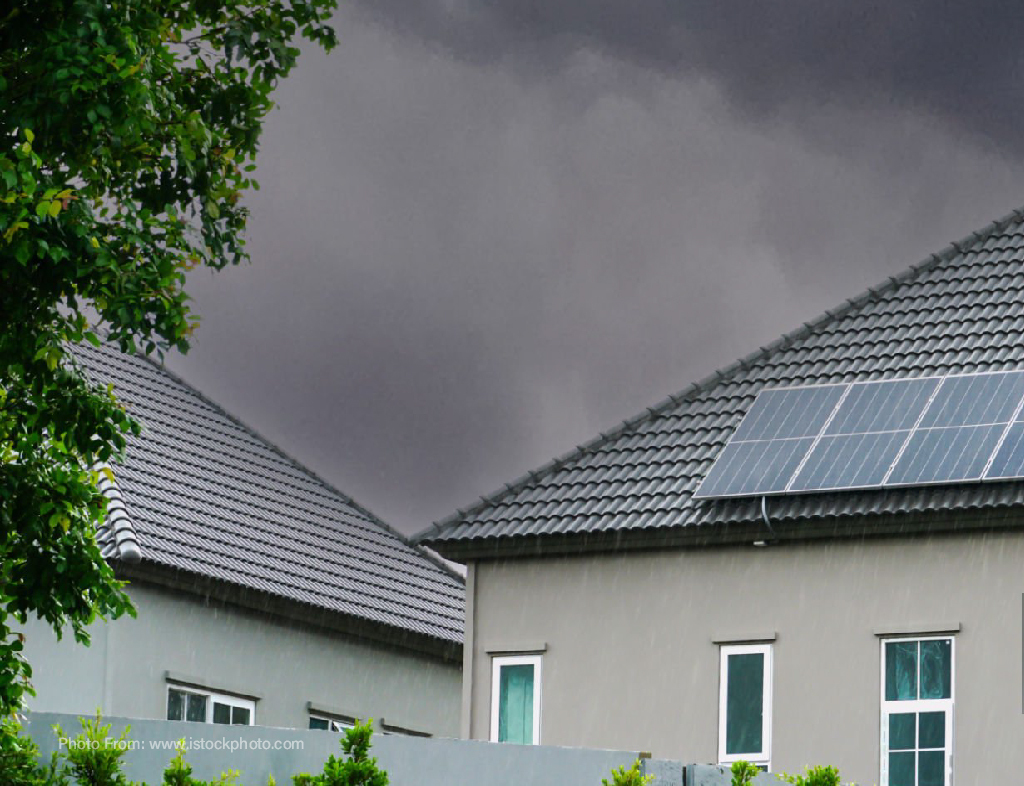
One of the most common mistakes is treating sunlight as if it arrives in a steady, predictable way. In reality, solar production changes with the season, weather, panel angle, shading, dust, and even how long the system sits under partial cloud cover. A system that seems oversized during a few sunny test days can suddenly feel tight during a week of poor weather. Many people design around ideal charging conditions instead of planning for uneven solar harvest, and that gap often shows up only after the system is already in use.
Another assumption that often fails is the idea that power habits will stay the same. In off-grid living, usage rarely remains fixed for long. People add devices, spend more time on-site, stay through different seasons, or simply become more comfortable using electricity once it is available. A setup that originally only had to support lights, phone charging, and a fan may later need to run a fridge longer, support work equipment, power a pump, or keep more devices charged at the same time. Even small lifestyle changes can shift the daily energy demand enough to make a once-balanced system feel undersized. The problem is not always dramatic growth. Sometimes it is just the accumulation of small changes that were never included in the original design.
System losses are another area where assumptions break down quickly. Many designs focus heavily on panel wattage and battery capacity while ignoring the energy lost along the way. Power is reduced through charge controllers, wiring, battery charging behavior, inverter conversion, temperature effects, and standby consumption. Some appliances also draw more than expected because of startup surges or inefficient operation in the field. When these losses are ignored, the system may technically match the calculated loads but still fail to deliver the expected real-world performance. The result is a system that looks correct in theory but operates with much less usable energy than the owner expected.
The most reliable off-grid systems are usually designed by people who understand that actual usage matters more than perfect assumptions. Real-world patterns reveal things that spreadsheets often miss. They show when energy demand clusters into the morning or evening, which devices quietly consume power all day, how weather affects charging over several days in a row, and what loads users truly consider essential when energy is limited. This is why early system monitoring and honest observation are so valuable. A few weeks of real use can teach more than a long list of estimated numbers.
Good off-grid design is not about guessing perfectly from the start. It is about building with enough realism and flexibility to handle changing conditions. Systems perform better when sunlight is treated as variable, lifestyle growth is expected, losses are acknowledged, and design decisions are shaped by how people actually live. The more a system is based on real behavior instead of optimistic assumptions, the more dependable it becomes when it matters most.