
BALANCING SOLAR WITH SUPPLEMENTAL HEAT SOURCES IN WINTER
3rd Dec 2025
As temperatures drop and daylight hours shrink, many off-grid users face one of the biggest challenges of the year—keeping warm while maintaining energy independence. Solar power provides reliable electricity year-round, but when it comes to direct space heating, the demands quickly exceed what most systems can sustain. Understanding how to balance solar with supplemental heat sources ensures both comfort and efficiency through the coldest months.
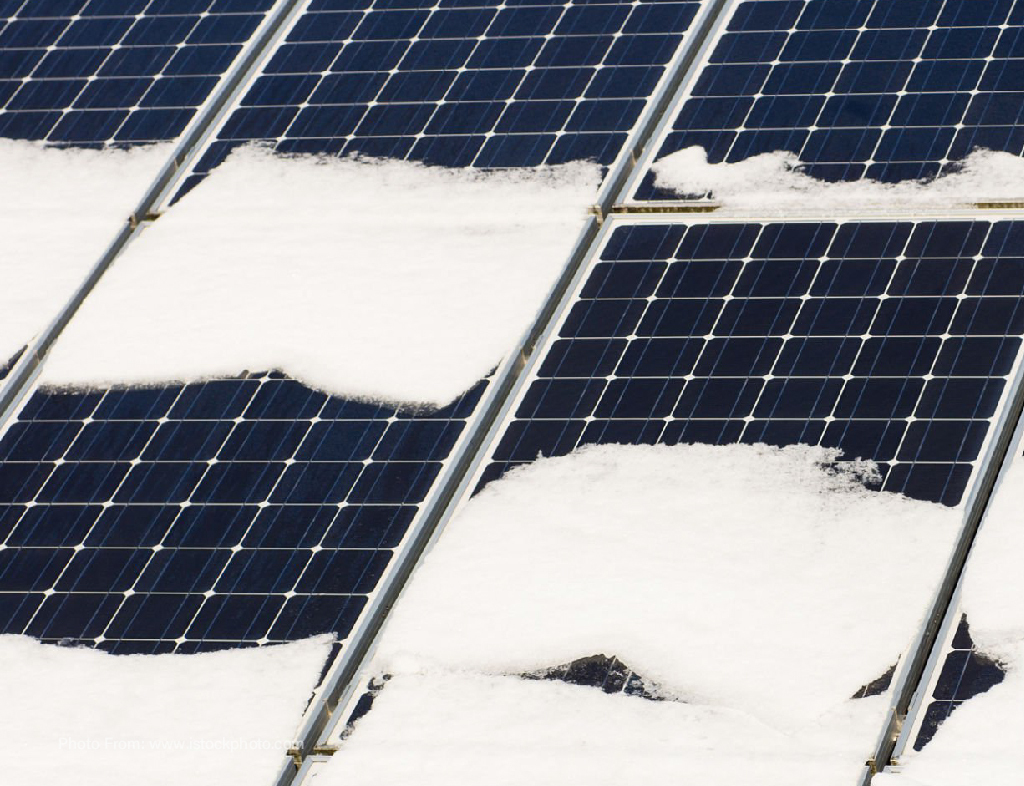
Heating is among the most energy-intensive household needs. A small electric heater can draw 1,500 watts or more, while even a modest cabin heater can consume far beyond what a typical off-grid system produces in real time during winter. Shorter days, lower sun angles, and snow accumulation further limit solar generation exactly when heating demand peaks. This mismatch makes direct solar heating impractical for most off-grid setups, as it would require an oversized array and massive battery bank to maintain comfort through long winter nights.
However, solar energy still plays an important role in supporting heating systems indirectly. Instead of powering large resistance heaters, solar power can efficiently handle auxiliary components that make heating more effective. For example, DC-powered fans can circulate warm air from a wood stove throughout the cabin, evening out temperatures without adding significant load. Small pumps driven by solar can keep hot water or glycol circulating in radiant heating loops, ensuring consistent warmth while the main fuel source—such as wood or propane—handles the heavy lifting. Even compact 12-volt heaters used to pre-warm small spaces or prevent pipes from freezing can draw from solar-charged batteries during daylight hours, conserving stored energy for essential nighttime use.
A balanced winter setup often integrates multiple heat sources, each playing to its strengths. A wood stove remains one of the most dependable and renewable forms of primary heat, especially when paired with a solar-powered circulation system or fan to distribute the warmth more evenly. In regions where wood is less available, propane heaters or catalytic units can fill the same role, providing strong, controllable heat while solar covers smaller electrical needs like ignition systems, thermostats, and safety sensors. The key is designing your system so that solar contributes strategically—handling control loads, air movement, and lighting—while other fuels supply the concentrated thermal energy.
For those who rely heavily on battery storage, combining efficient insulation with thoughtful system design is just as important as adding heat sources. Every watt saved through better sealing, insulated piping, and smart use of curtains or blinds helps stretch stored energy further. In practice, solar power and traditional fuels do not compete—they complement each other. Solar provides steady daytime electricity to run the infrastructure of comfort, while wood, propane, or pellet heat supplies the intensity required to stay warm through the night.
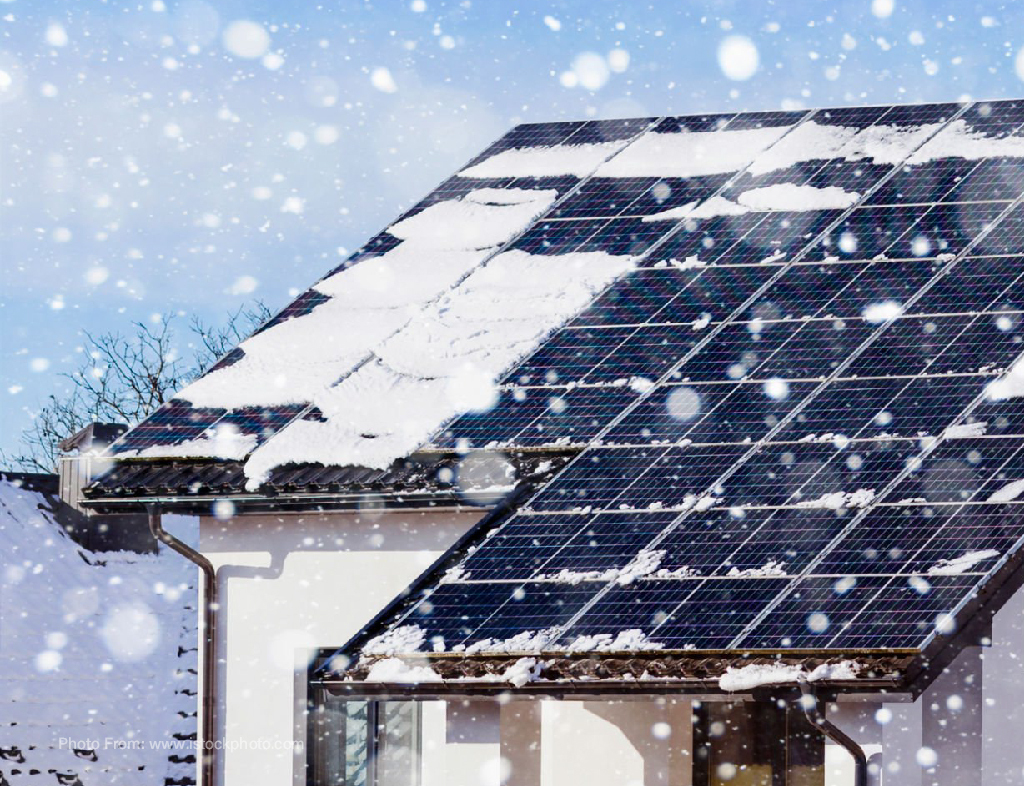
Balancing these resources transforms winter from a season of limitation into one of self-reliant comfort. With proper planning, off-grid living remains not only sustainable but cozy, even when the snow piles high outside.