BALANCING BATTERY DEPTH OF DISCHARGE AND DAILY USAGE FOR LONG-TERM RELIABILITY
21st Jan 2026
Depth of discharge, often shortened to DoD, is one of those battery terms that sounds technical, but it shows up in daily off-grid life more than people realize. If you want a system that stays dependable year after year, it’s not only about having enough storage, it’s about how you use that storage every day and how often you push it into deeper drain.
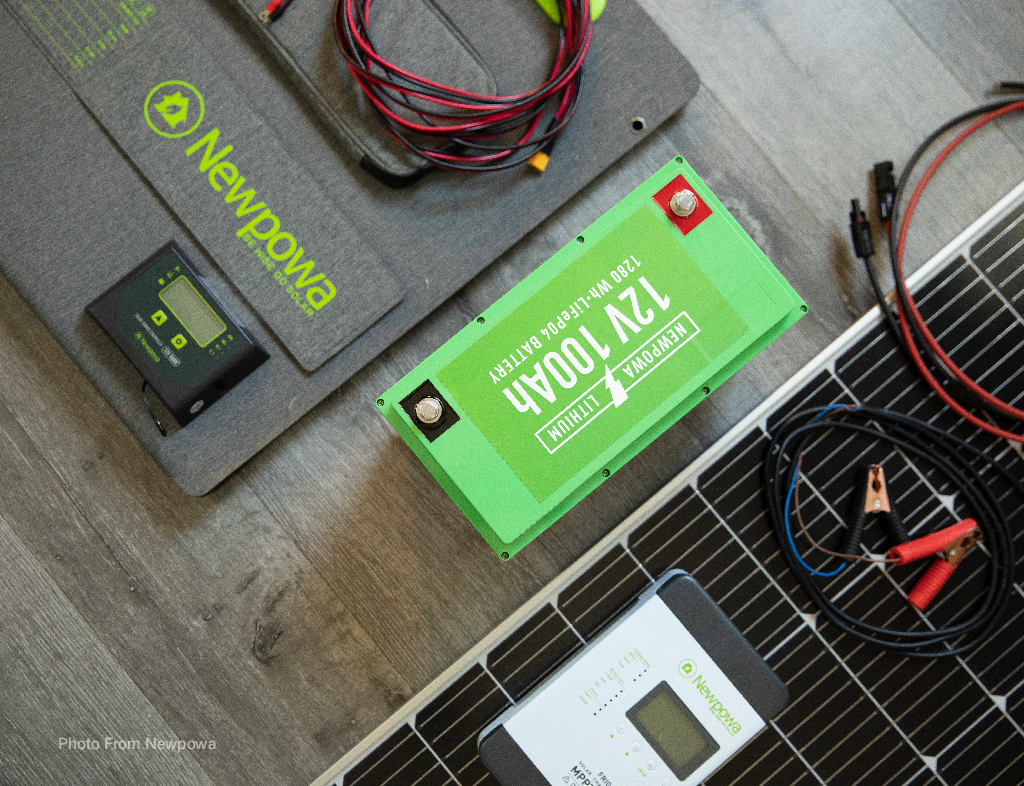
Depth of discharge simply means how much of your battery you use before charging it back up. If a battery is at 100% in the morning and you run it down to 60% by night, that day’s depth of discharge is about 40%. In real off-grid setups, DoD isn’t a one-time spec on a datasheet, it’s a daily pattern shaped by sunlight, load timing, and how much storage you built into the system. The key idea is that batteries wear based on how deep and how often they are cycled, so long-term reliability comes from keeping normal days gentle and reserving deeper swings for when they actually matter.
Shallow cycling is one of the most effective ways to extend battery lifespan. The deeper you regularly drain a battery, the more stress you place on its chemistry and internal structure, and the fewer total cycles you’ll typically get before capacity noticeably drops. That doesn’t mean you should never use your stored energy, it means you should design so that most days don’t require you to dig deep. When your usual overnight usage only takes a small bite out of the battery, the system feels calmer: voltage stays steadier, high-load devices start more easily, and you have more breathing room when weather or usage changes.
To get there, match your daily loads to usable battery capacity, not nameplate capacity. Start by estimating how many watt-hours you expect to consume from late afternoon through the next morning, then compare that to what you can realistically draw from the battery without routinely pushing it too low. A helpful way to think about it is setting a “normal-day DoD target,” where typical usage stays within a shallow band, while still allowing occasional deeper days without panic. Timing matters too. Shifting certain loads into strong sun hours can reduce how much the battery must carry overnight, effectively lowering daily DoD without changing what you actually do.
Finally, plan for unexpected high-draw days, because off-grid life rarely stays perfectly average. A cold snap can increase heating loads, guests may add devices, tools might run longer than expected, or you may have a cloudy stretch that reduces charging. Reliability comes from having a buffer and a plan, whether that means extra usable capacity, topping up ahead of a known busy day, or temporarily trimming nonessential loads. When your system can absorb a surprise day without dipping into extreme discharge, you protect the battery and avoid starting the next day already behind.
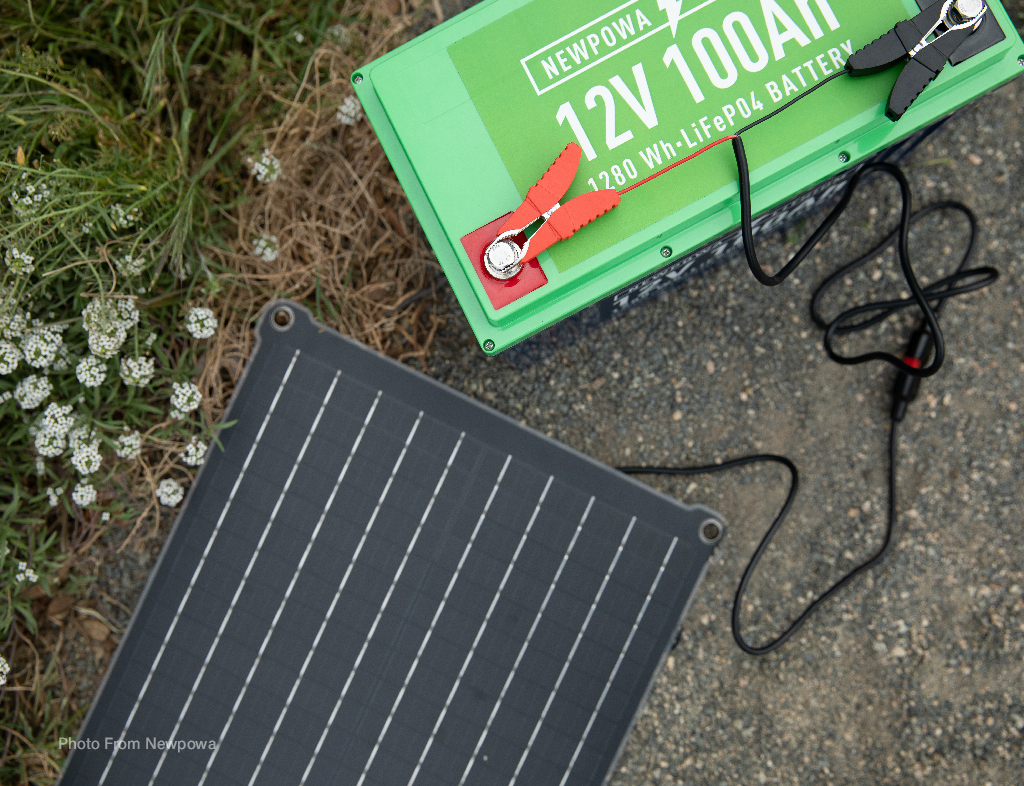
In off-grid solar, the goal isn’t to avoid using your batteries, it’s to use them with intention. Keep everyday cycles relatively shallow, build in margin for the unpredictable, and your system is far more likely to stay steady and reliable over the long haul.