
ADDING REDUNDANCY TO SMALL SOLAR SYSTEMS WITHOUT DOUBLING COSTS
25th Mar 2026
Small off-grid solar systems are often built to be just enough, which is exactly why a single weak link can turn “enough” into “nothing.” Adding redundancy doesn’t have to mean buying a second of everything. The goal is to reduce downtime risk by removing single points of failure and by choosing upgrades that create alternate paths, graceful degradation, and easier recovery when something inevitably goes wrong.
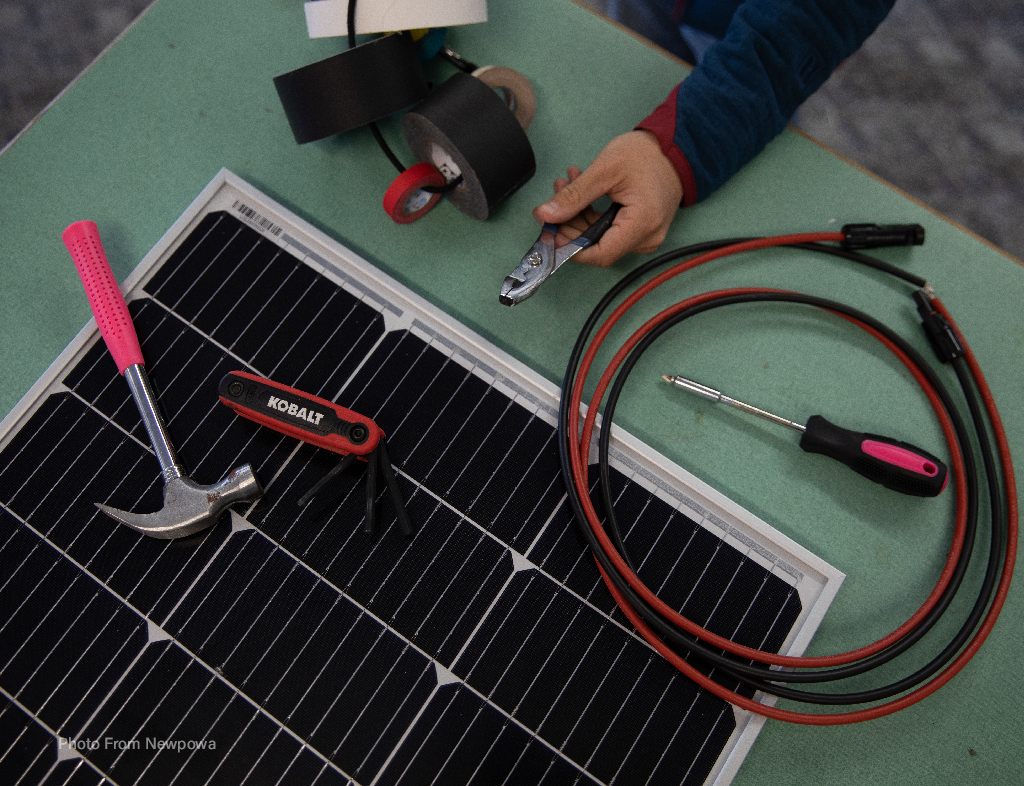
Start by identifying what would shut you down completely. In most small systems, the common single points of failure are the charge controller, the inverter (if you rely on AC loads), the battery-to-load fuse or breaker, key connectors, and the one cable run that carries all the current. Panels can fail too, but they’re usually less fragile than the electronics and connections that manage power. The simplest way to find the true single points is to ask: if this part stops working, do I still have any safe way to charge the battery, power essential loads, or isolate a fault?
Once you see those choke points, choose strategic oversizing instead of full duplication. Full duplication is expensive because it repeats cost-heavy components, while strategic oversizing increases margin where it prevents a cascade of problems. A charge controller that runs at 40–60% of its rating tends to stay cooler and more stable, and it’s less likely to be pushed into failure during heat waves, sudden high production in cold weather, or wiring resistance that you didn’t account for. Similarly, wiring and protection devices sized with headroom are a form of redundancy because they reduce nuisance trips, overheating, and connection failures. Even the battery bank benefits from margin: extra usable capacity means you can ride through a day of weak sun without draining to the edge, where voltage sag and low-voltage cutoffs can mimic “system failure” even when nothing is broken.
Modular design is the budget-friendly multiplier. Instead of one big fragile chain, build in blocks that can be isolated. Using multiple parallel strings on the solar side, each with its own protection where appropriate, means one damaged cable or connector doesn’t take every panel offline. On the load side, separating essential DC loads from optional loads, and keeping a direct-to-battery DC path for critical items, lets you stay functional even if an inverter quits. If your system can run “minimum mode,” you’ve created redundancy without buying an entire second system.
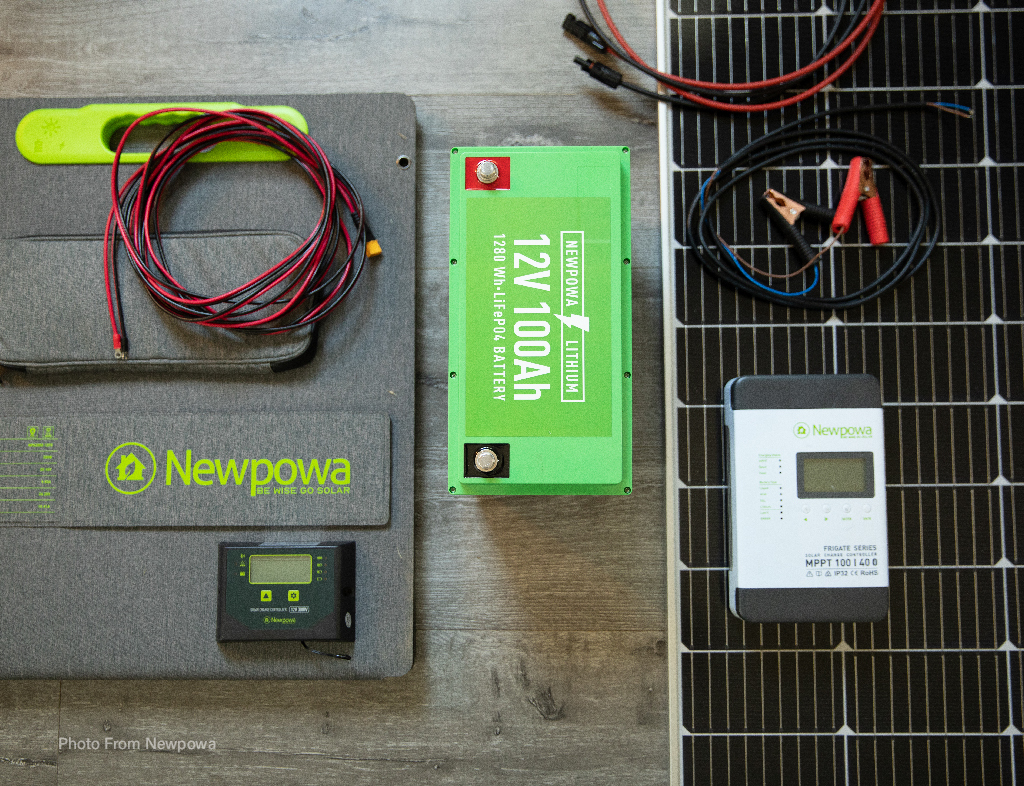
Redundancy matters most when the cost of downtime is high. If you’re powering a fridge, a freezer, a remote communication link, security equipment, or anything you rely on while you’re away, you’re not just protecting convenience—you’re protecting outcomes. If your setup is for weekend lights and device charging, redundancy can be lighter: spare fuses, a backup charging option, and modular wiring may be enough. The best redundancy plan is the one that matches your real risk, keeps failure from becoming a full blackout, and makes the recovery simple when something breaks.